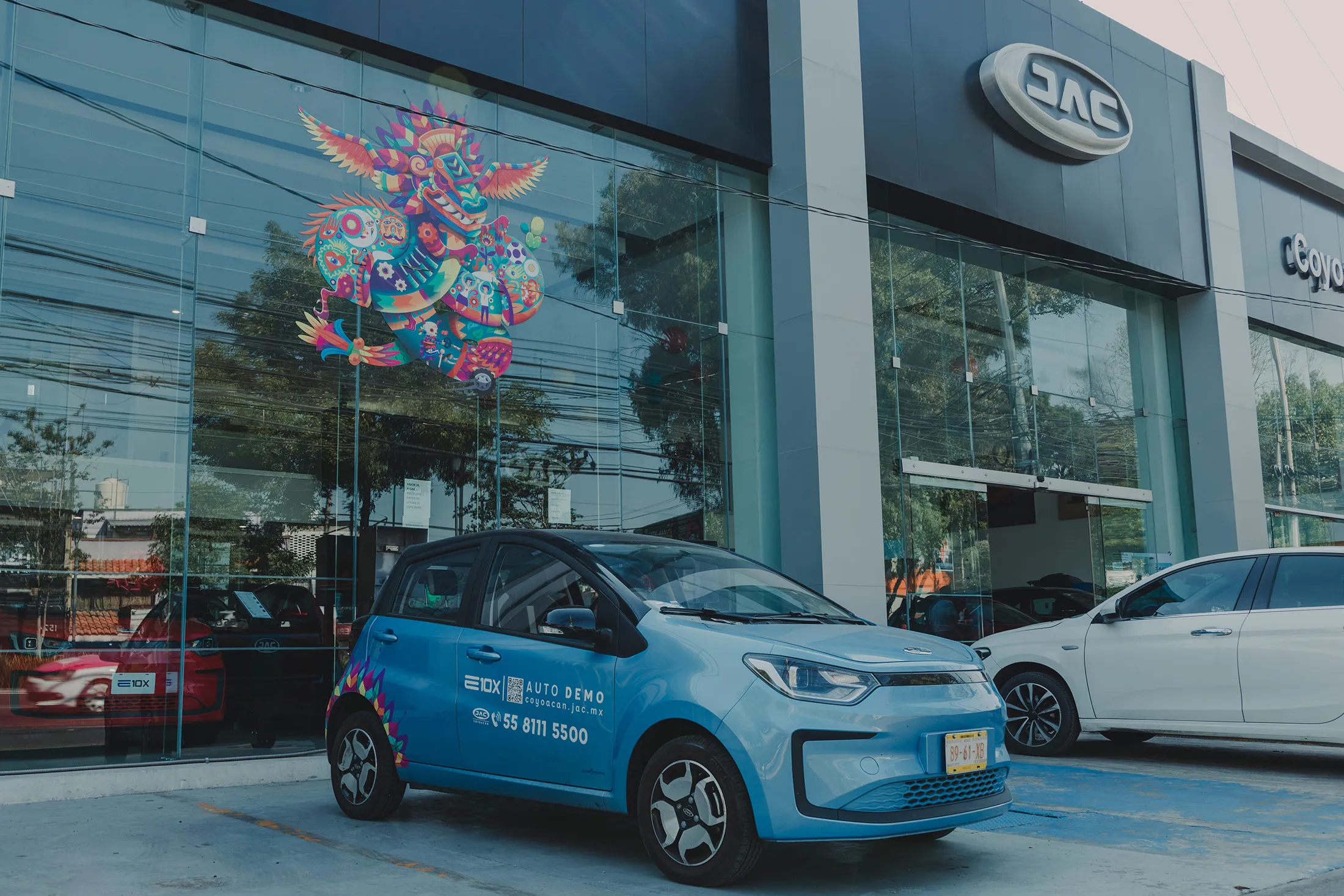
Mexican car sales hit historic highs in the first quarter, fueled largely by the aggressive expansion of Chinese manufacturers. Data from the Mexican Association of Automotive Distributors (AMDA) indicates that if all brands were factored into official reporting, total units sold would have reached 405,799, a 5% increase over the previous year.
Asian brands dominated the growth charts during the period. The influx of Chinese vehicles has reshaped the competitive landscape, pushing some traditional European players to the sidelines.
Shifting Market Dynamics
European manufacturers struggled to maintain their footing. Mercedes-Benz reported a 36% drop in sales, while Volvo and BMW saw declines of 34.1% and 8.8%, respectively.
U.S. automakers experienced more stable results. According to figures from the National Institute of Statistics and Geography (Inegi), Ford saw a 1.8% rise in sales, and General Motors grew by 1.9%.
Despite the new competition, legacy brands continue to hold the largest market share. Nissan remains the leader with 17.6% of the market, followed by General Motors at 13.2% and Volkswagen at 11.1%. Toyota, Kia, Stellantis, and Mazda maintain significant positions, holding 7.8%, 7.2%, 6.6%, and 6.4% respectively.
Jetour, which entered the Mexican market just two years ago, serves as a prime example of the rapid growth seen among Chinese entrants. The company recently expanded its portfolio to include the Soueast brand, targeting younger demographics with urban mobility and hybrid options.
In the first quarter alone, Jetour sold 1,375 units. This performance represents a 407.4% increase, signaling a aggressive shift in consumer preference toward brands originating from the Asian giant.