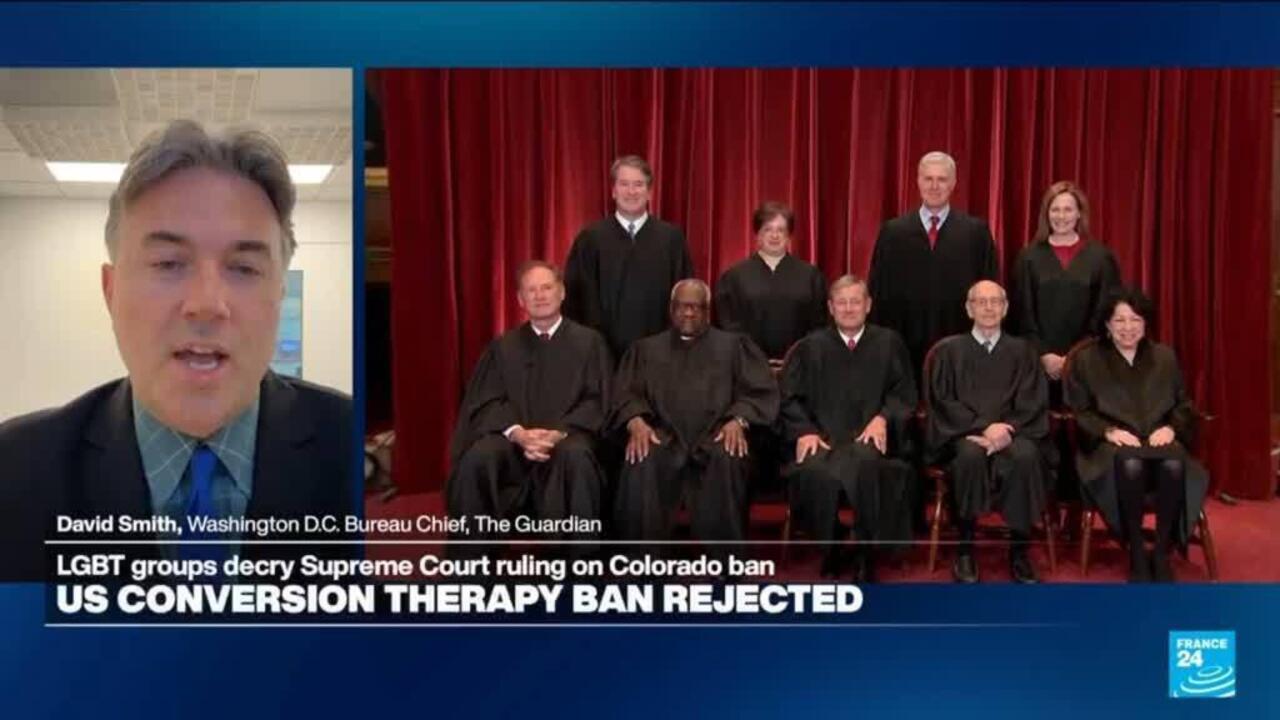
The US Supreme Court ruled Tuesday against a Colorado state law banning conversion therapy for LGBTQ minors. The decision sided with a Christian therapist who challenged the regulation on free speech grounds. This ruling impacts legal frameworks across states with similar mandates regarding professional licensing and state authority. It signals a shift in how constitutional rights apply to state-level medical regulations. Legal scholars suggest this could redefine the relationship between state police powers and individual liberties.
Key Details
The high court determined that the 2019 statute infringed upon constitutional protections for speech within the medical field. Licensed practitioners argued the law restricted their ability to offer specific counseling services to clients without state interference. The majority opinion focused heavily on the definition of professional speech under the First Amendment protections. This legal clarification establishes new boundaries for state intervention in private practice. The justices emphasized that the state could not regulate speech to achieve a therapeutic goal.
Colorado prohibited the practice for patients under 18 without explicit parental consent from guardians or legal representatives. Critics of the law claimed it forced therapists to abandon specific clinical approaches for their businesses during consultations. The state maintained the ban was necessary to protect vulnerable youth from potential psychological harm. Implementation costs for state agencies to monitor violations could also rise significantly under enforcement protocols. The law specifically targeted licensed professionals rather than unregulated community leaders.
Legal experts note this decision could influence pending litigation in other jurisdictions with similar statutes regarding professional conduct. Several states have enacted similar restrictions on mental health practices for minors recently to address safety concerns. Lawyers representing therapists may view this ruling as a precedent for future challenges against state laws. This could lead to increased litigation costs for state governments defending existing regulations in court. The ruling may accelerate legal challenges in states like California and New York.
What This Means
Industry analysts suggest medical boards may revise licensing guidelines following the Supreme Court decision later this year. Some organizations plan to challenge similar laws in different regions to test the boundaries of the ruling effectively. The decision creates uncertainty for healthcare providers who rely on state-level guidance for compliance and risk management. Insurance companies might adjust coverage policies based on the legality of specific therapeutic methods offered. Regulatory bodies must now navigate a more complex legal landscape for professional standards.
The financial implications extend beyond individual clinics to state enforcement budgets and insurance providers nationwide. Therapists facing compliance costs could see increased operational expenses in states maintaining such bans against their clients. This uncertainty may drive some practitioners to relocate to jurisdictions with clearer regulatory frameworks for operations. The economic impact on the mental health sector requires further analysis by industry experts and economists. Market volatility could increase as businesses adjust to shifting compliance requirements.
"The ruling underscores the tension between professional regulation and free expression," said The Guardian Washington DC bureau chief David Smith.
The broader social implications involve ongoing debates over LGBTQ rights and medical ethics in the region broadly. Policymakers in other states will likely weigh the legal risks before passing new statutes in the near future. Economic stakeholders in the healthcare industry are assessing the long-term viability of state mandates for their organizations. Legislative bodies may face pressure to align laws with the new federal judicial standard for consistency. Public opinion on these matters remains deeply divided across political spectrums.
Future legal battles may focus on defining the scope of protected speech in medical settings specifically for providers. Courts will need to balance public health concerns against individual liberties in subsequent cases involving minors. Observers will watch for how lower courts interpret this high court mandate in practical applications across districts. The outcome could set a benchmark for federal oversight of state medical regulations in various states. The legal community will track how lower courts apply this reasoning to similar cases.