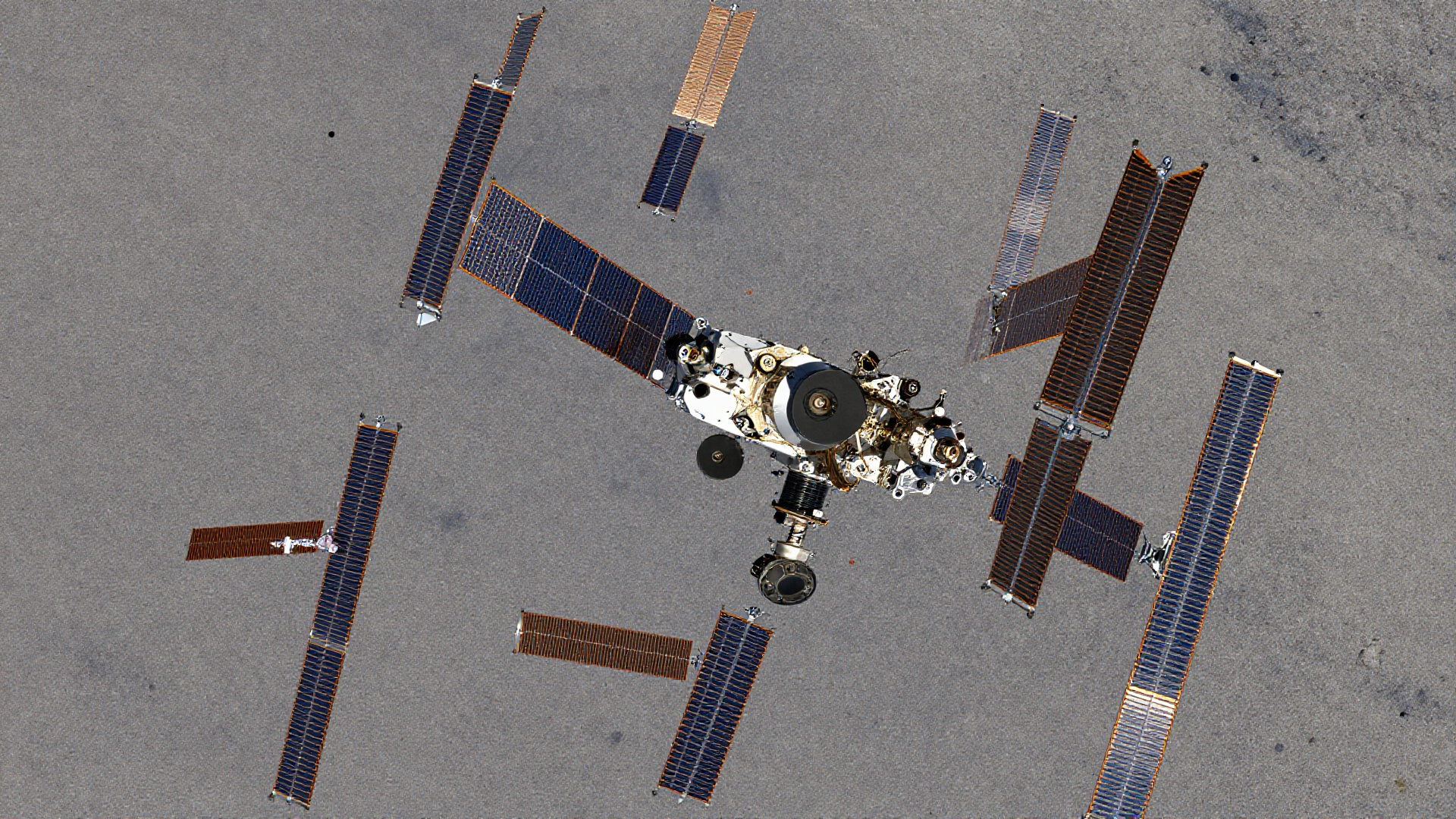
SpaceX, the aerospace firm led by Elon Musk, has submitted an application to the US Federal Communications Commission (FCC) seeking authorization to deploy as many as one million satellites for a new orbital network. The filing posits that 'orbital data centres' represent the most cost and energy-efficient architecture to satisfy the expanding computational requirements of artificial intelligence technologies. This initiative directly addresses the claim that current terrestrial infrastructure is being outpaced by AI processing needs, according to the application filed on Friday.
These proposed space-based facilities would function similarly to conventional data centers but operate in low-Earth orbit, specifically between 500 and 2,000 kilometers altitude, similar to the existing Starlink constellation. SpaceX asserts that this system is designed to deliver necessary computing capacity to serve billions of users worldwide. The company also frames the endeavor as a significant step toward achieving Kardashev II status, referencing a theoretical civilization capable of harnessing the Sun's total energy output.
The expansion would dramatically increase the orbital footprint of the company, whose existing network of nearly 10,000 Starlink satellites already faces scrutiny regarding space congestion. While Musk has publicly refuted claims of overcrowding, this new proposal multiplies the potential physical assets in orbit significantly. The application reportedly does not specify a timeline for the deployment of this massive network.
SpaceX contends that utilizing orbital data centers offers an environmentally superior alternative to ground-based facilities, which typically demand substantial power consumption and extensive water resources for necessary cooling systems. This concept of decentralized, space-based computing is reportedly being explored by other technology entities as well.
However, industry experts highlight significant logistical hurdles, noting that launching hardware into orbit remains a costly undertaking, compounded by the complexity of establishing reliable cooling and power infrastructure in space. Furthermore, the sheer volume of existing and proposed objects in low-Earth orbit raises concerns regarding the physical risk posed by space debris and potential collisions.
Astronomical communities have previously voiced opposition to the current Starlink deployments, reporting that radio frequency emissions from the network interfere with and effectively 'blind' ground-based telescopes, hindering scientific research. SpaceX has historically dismissed these concerns regarding orbital crowding and interference.
If authorized and deployed, this one-million-satellite network would represent an unprecedented concentration of computational infrastructure in near-Earth space. The regulatory approval process by the FCC will scrutinize the operational viability and the associated environmental and orbital safety implications of such a large-scale deployment.