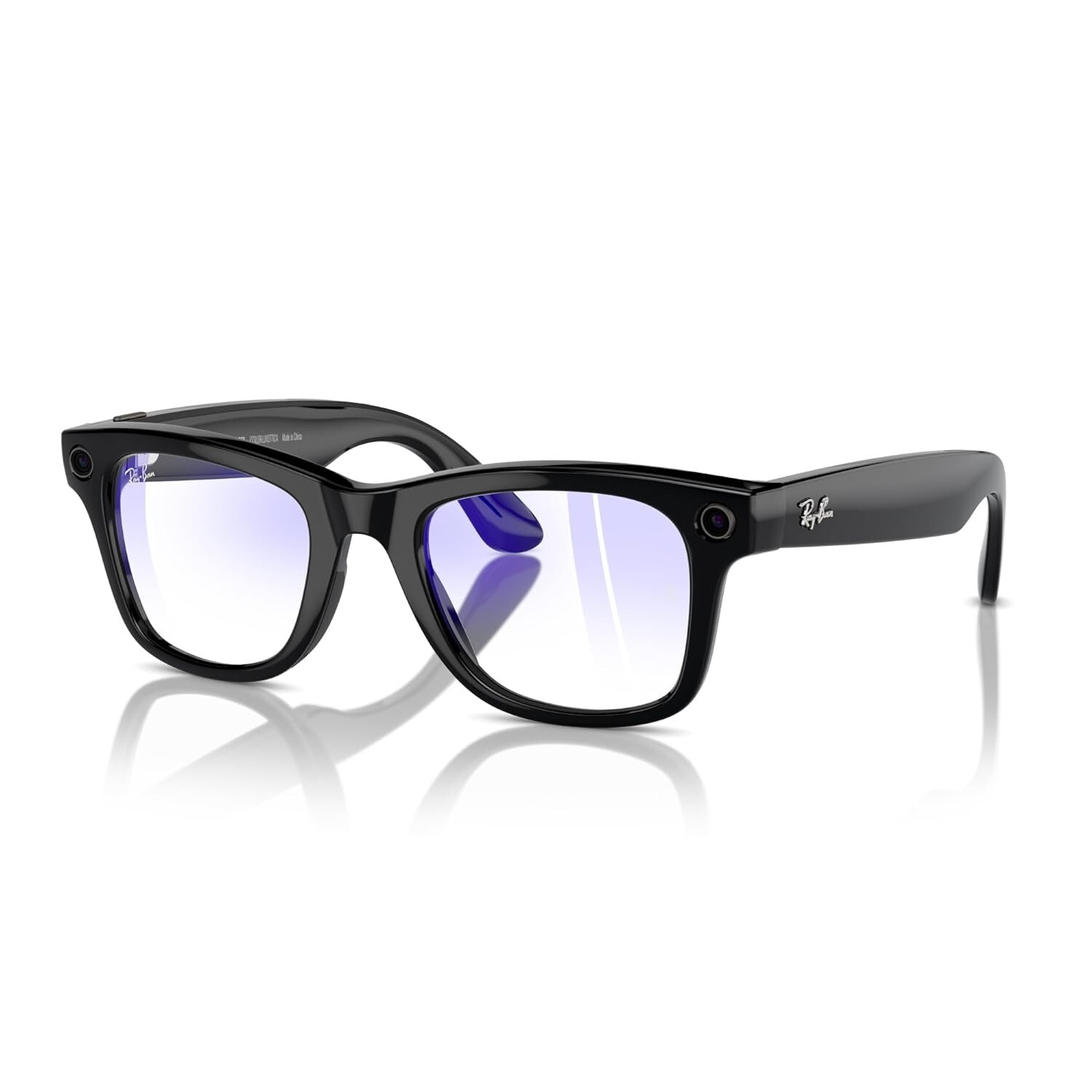
Meta is facing a significant setback in its hardware strategy as Ray-Ban Meta smart glasses see a surge in consumer returns and declining daily usage. The company’s ambition to replace the smartphone with wearable technology has hit a wall of hardware limitations and a growing international privacy scandal.
Reports from The Wall Street Journal and Business Insider indicate that fewer than 10% of users continue to actively engage with the glasses 30 days after purchase. Once the novelty of voice-activated photography wears off, users are increasingly abandoning the devices, citing the superior speed of smartphones over the glasses' sluggish AI latency.
Privacy and physical failures
The most damaging blow to the product line comes from an investigation by the Kenyan government, as reported by Reuters and The Hindu. Meta allegedly employed subcontractors in Kenya to review video recordings captured by the glasses to train the company's multimodal AI. The leaked footage included intimate scenes, the faces of minors, and private financial data, triggering a wave of public distrust.
Beyond privacy, the hardware itself is failing to meet consumer expectations for comfort and usability. Technical reviews from EFTM describe the current iterations as "thick, heavy and ridiculous."
Users report that the processors embedded in the right temple generate uncomfortable heat after just 20 minutes of wear. Furthermore, the attempt to integrate heads-up displays has resulted in reports of visual vertigo. Many users complain of eye strain and nausea, known as asthenopia, caused by the difficulty of focusing on a digital screen while in motion.
These design flaws have filled return counters at major retailers like Best Buy and Amazon. While Meta has succeeded in shrinking a computer into an eyeglass frame, the company has struggled to reconcile the device with the basic requirements of a wearable fashion accessory.
For now, the smartphone remains the dominant tool for mobile connectivity. Meta’s current struggle suggests that even the most advanced AI cannot overcome the friction caused by hardware that is physically uncomfortable and perceived as a privacy liability.