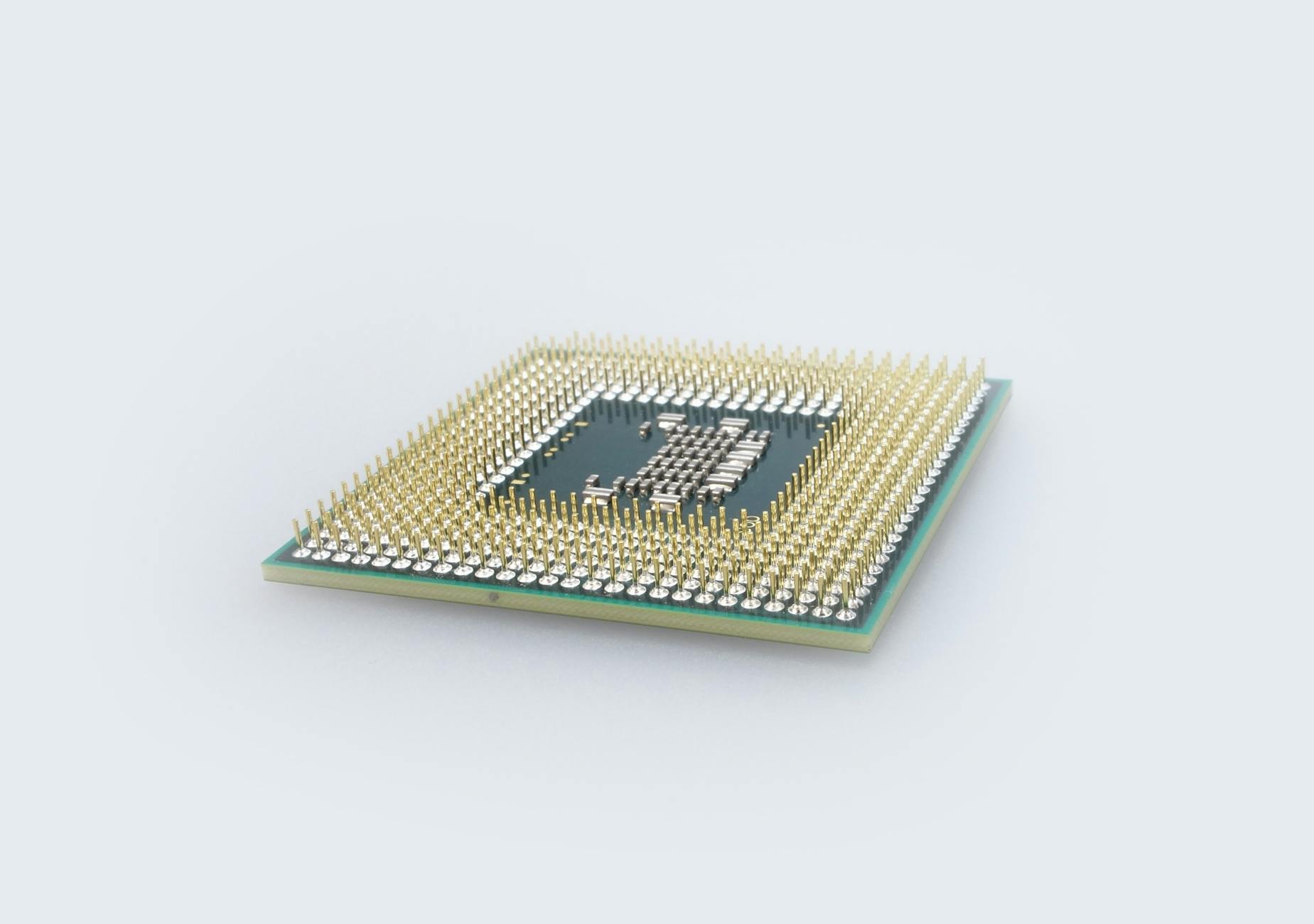
Global tech firms are shifting toward hybrid AI models that process data directly on user devices rather than relying solely on the cloud. Companies including Intel, Microsoft, Lenovo, and HP are rolling out hardware designed to run large language models locally to improve both speed and security.
Local processing offers a significant advantage for cybersecurity. By executing detection and response directly on the hardware, devices can identify threats faster than traditional cloud-based methods, according to Pablo de Pardo, a software security architect at Intel.
The hardware requirements for local AI
"Its own local AI focuses on CPU telemetry, which allows for the detection of threats in real-time," de Pardo explained. He noted that this technology can identify malware even if it has been modified by generative AI tools, providing a more robust defense against modern cyberattacks.
To support these tasks, manufacturers are equipping new machines with Neural Processing Units, or NPUs. Intel, AMD, and Qualcomm are integrating these dedicated chips into their latest products to boost AI performance while reducing overall energy consumption.
System requirements for these devices are steep. Experts suggest that a minimum of 16 GB of RAM is necessary for basic efficiency, while complex workloads require 32 GB or more. High-speed solid-state drives (SSDs) are also mandatory to ensure data can be accessed without latency.
Data from Deloitte indicates that these tools could reduce time spent on administrative tasks by up to 30%. By processing information locally, companies also mitigate the risk of data leaks and maintain better compliance with privacy regulations.
Despite these benefits, the transition faces significant economic and logistical barriers. Specialized chips and increased memory capacity drive up the initial purchase price of these machines, making them less accessible to the average consumer.
Market analysts at TrendForce predict that rising DRAM prices will push hardware costs up by 15%, further complicating market penetration. Beyond cost, the industry faces a challenge in technological fragmentation. Because not all devices possess the same processing power, user experiences will vary significantly across different machine models.
Maintenance also presents a hurdle. Unlike cloud-based systems that receive centralized updates, local AI models require individual updates for every device. This decentralized approach creates a complex management environment for IT departments and individual users alike.