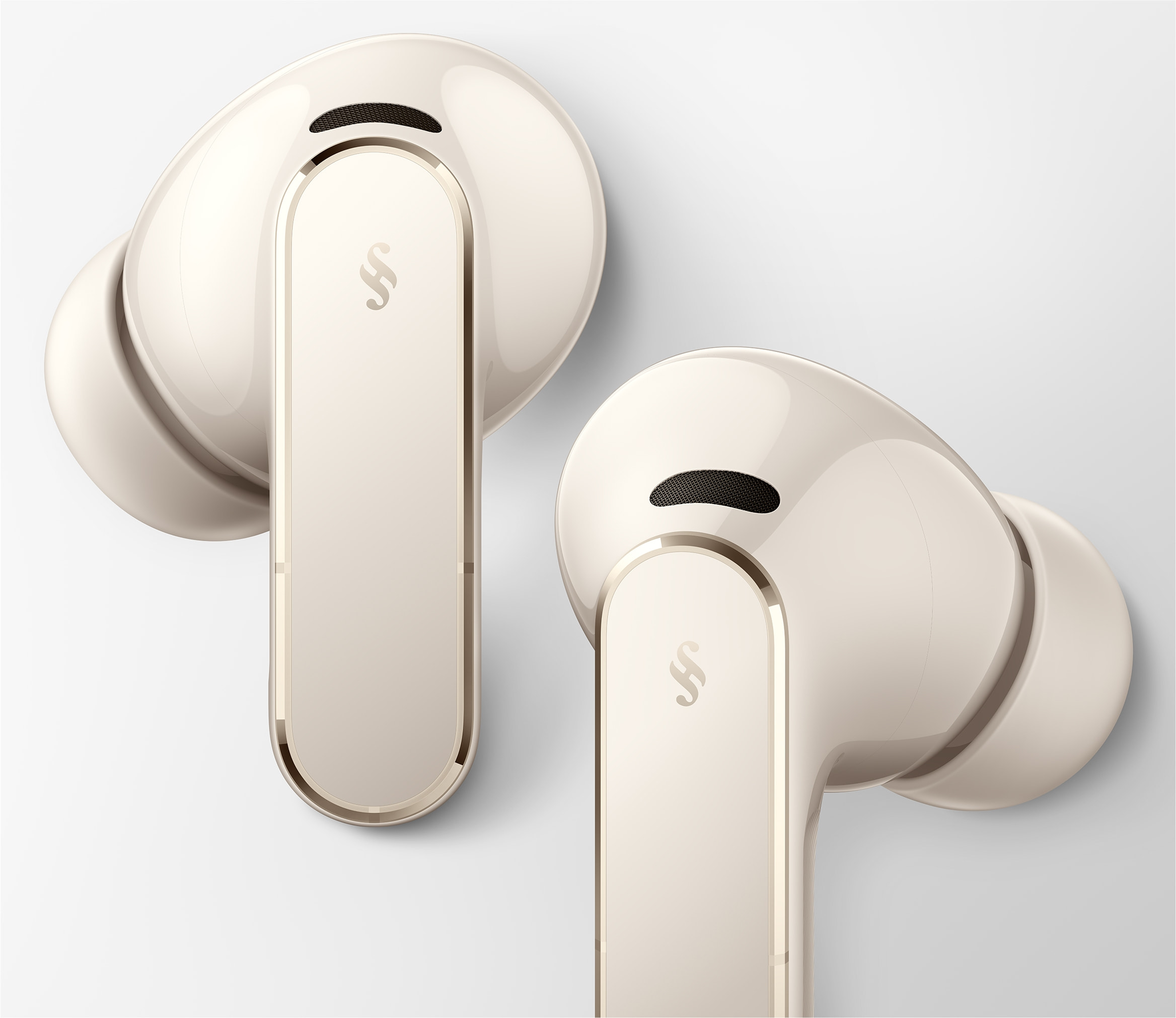
Huawei has officially launched the FreeBuds Pro 5 in Mexico, retailing for 3,999 pesos. The new earbuds aim to maintain the company’s reputation for high-fidelity audio while expanding compatibility across both Android and iOS ecosystems.
In a recent analysis published by Xataka Mexico, the reviewer noted that the audio quality is spectacular. The device features an 11mm dual-magnet ultra-linear dynamic driver paired with a micro-planar tweeter, covering a frequency range from 10 Hz to 48 kHz.
The technical limits of Bluetooth audio
Despite the impressive hardware, the earbuds face the inherent limitations of Bluetooth transmission. While the FreeBuds Pro 5 support the LDAC codec for 24-bit/96 kHz Hi-Res audio, the 990 kbps bandwidth cap prevents the transmission of uncompressed files. To experience true lossless audio, users must rely on wired analog equipment, according to the review.
The earbuds do support Huawei’s proprietary L2HC 4.0 codec, which offers a higher transmission rate of 2.3 Mbps. However, this feature remains restricted to a small selection of the company's newest smartphones, such as the Pura 80 Ultra.
International models of the FreeBuds Pro 5 do not include the NearLink technology found in the Chinese version, which allows for significantly higher bandwidth. This discrepancy means western users do not get the full technical capabilities available in the domestic market.
For those currently using the FreeBuds Pro 4, the upgrade may not be necessary. The reviewer concluded that although the new dual digital signal processors (DSP) improve clarity by managing bass and treble separately, the overall improvement over the previous generation is marginal.
However, for consumers using older hardware or those outside the Huawei ecosystem, the FreeBuds Pro 5 remain a competitive choice. The earbuds feature IP57 dust and water resistance, an eight-microphone system for noise cancellation, and dual-device connectivity. With a battery life of up to nine hours on a single charge—extending to 38 hours with the case—the device serves as a versatile option for general users.