International press reviews published on Monday, March 30, highlighted critical shifts in artificial intelligence applications and medical science. Publications from France to the United States examined the acceleration of autonomous warfare technologies and a major anatomical discovery regarding female anatomy. These stories illustrate the dual nature of technological progress regarding safety and human biology.
Warfare Automation
French daily Libération placed artificial intelligence at the center of military operations across Gaza, Iran and Ukraine. The analysis suggests that automated systems now process satellite data without human intervention. This shift reportedly accelerates the kill chain in active conflict zones significantly.
Defense Secretary Pete Hegseth promoted an "AI first" strategy that reportedly shortens the decision-making process significantly. King's College London found that artificial intelligence models escalate conflict in 95 percent of simulated scenarios. Such data raises alarms regarding the speed of nuclear threats in digital simulations.
Ethical and Medical Frontiers
Le Monde interviewed a philosopher who specialises in military ethics. She believes that the use of lethal autonomous weapons controlled by AI goes against the principles of a just war.
German actress Collien Fernandes told Der Spiegel that her ex-partner distributed deepfake pornography of her. She claims Germany is a haven for perpetrators and only 2.4 percent of digital violence is reported. Her experience with law enforcement proved discouraging during the legal battle.
US teenagers increasingly turn to chatbots for relationship advice. Analysts warn that AI validates user behavior and reduces the likelihood of apology.
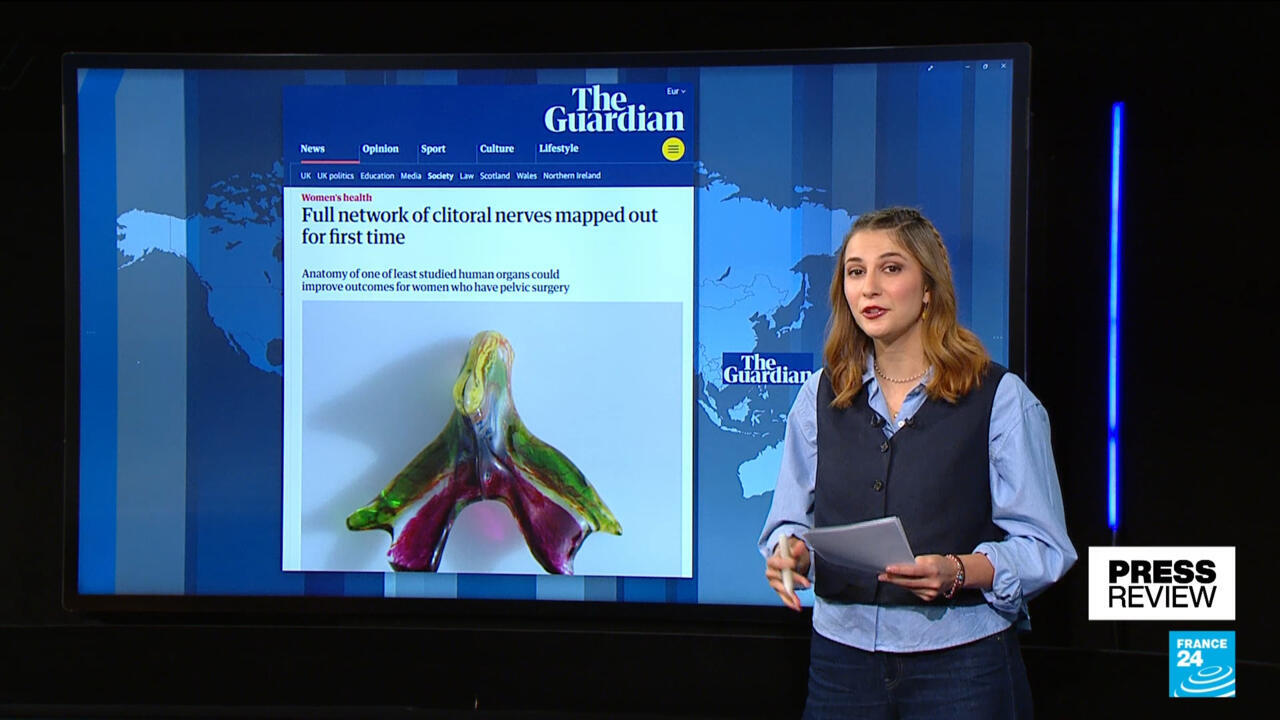
The Guardian reported that scientists mapped the nerves inside the clitoris for the first time this week. This study arrives nearly 30 years after researchers completed the same work on the penis. Medical experts say understanding the organ could prevent poorer sexual function after pelvic operations.
It may also aid reconstructive surgery after female genital mutilation. The Guardian writes that a cultural taboo around female sexuality held back scientific investigations. The clitoris only entered standard medicine textbooks in the 20th century.
These stories illustrate the complex intersection of technology, ethics and human rights globally. Policymakers must address the regulatory gaps in both warfare and digital privacy. Future developments will depend on how societies balance innovation against safety concerns.