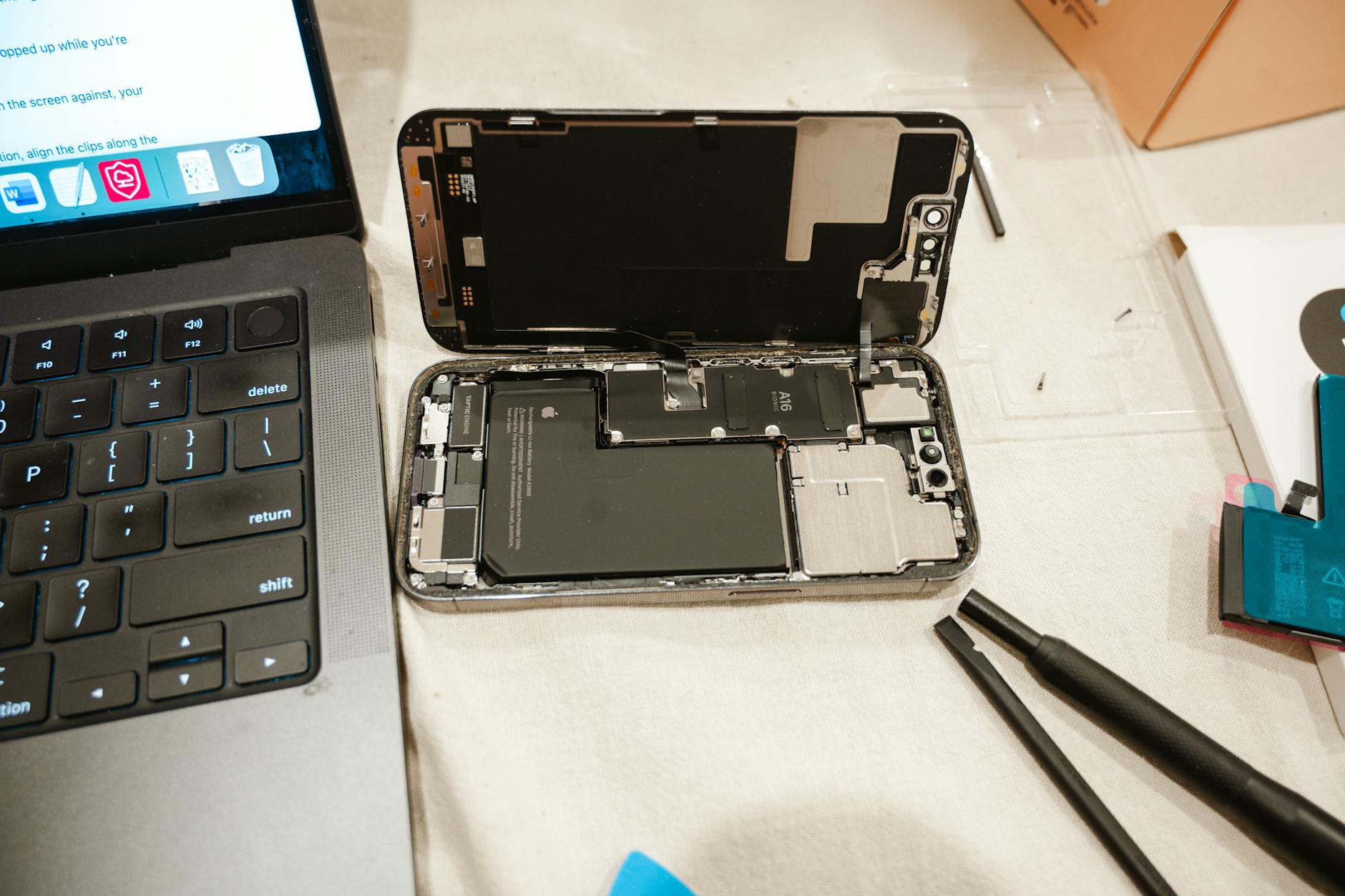
The European Union has ratified a new law that will force smartphone giants like Apple and Samsung to design devices with batteries that are easily removable and replaceable by users. The regulation, set to take effect in 2027, aims to curb electronic waste and restore the right to repair for consumers.
Under the new mandate, manufacturers must move away from the heavy use of industrial adhesives and complex internal wiring that currently makes battery replacement a specialized task. The law requires an accessible design that allows any user to swap a battery without advanced technical knowledge.
Manufacturers will also be legally obligated to provide original replacement parts for years after a specific model is discontinued. This shift aims to extend the hardware lifecycle of smartphones, preventing functional devices from becoming landfill waste due to battery degradation.
Global impact on Latin American markets
While the law is a European directive, the 'Brussels Effect' is expected to reshape the global smartphone market, including countries like Mexico, Chile, Colombia, and Argentina. Producing separate hardware versions for different continents is logistically and financially unfeasible for companies like Apple, Samsung, and Xiaomi.
Industry analysts suggest that much like the global transition to USB-C following EU pressure, manufacturers will likely unify their production lines to meet the highest regulatory standard. This means flagship devices sold in Latin America will likely feature the same interchangeable battery design as those sold in Paris or Madrid.
For users in Latin American markets, where device replacement cycles are often longer due to economic factors, the law offers significant economic advantages. A high-end smartphone could potentially remain functional for five to six years with only a minor investment in a new battery.
The transition is expected to happen in phases. Between 2025 and 2026, manufacturers may introduce prototypes using standardized screws instead of glue. By 2027, the first wave of global launches must comply with the new standards, potentially revitalizing the secondary market for used electronics in the region.