Travelers facing unprecedented delays at United States airports are increasingly turning to biometric verification technology, driving a significant surge in demand for Clear Secure services as government shutdowns continue to impact staffing levels nationwide across major hubs. This situation creates a unique market opportunity for private screening companies while federal agencies struggle to maintain operational capacity during the partial government shutdown that began in mid-February and continues to blight operations at transportation security administration facilities. Consequently, investors are watching closely to see if this trend indicates a lasting shift in airport screening or a temporary fix for a broken system facing long-term challenges within the broader aviation industry sector.
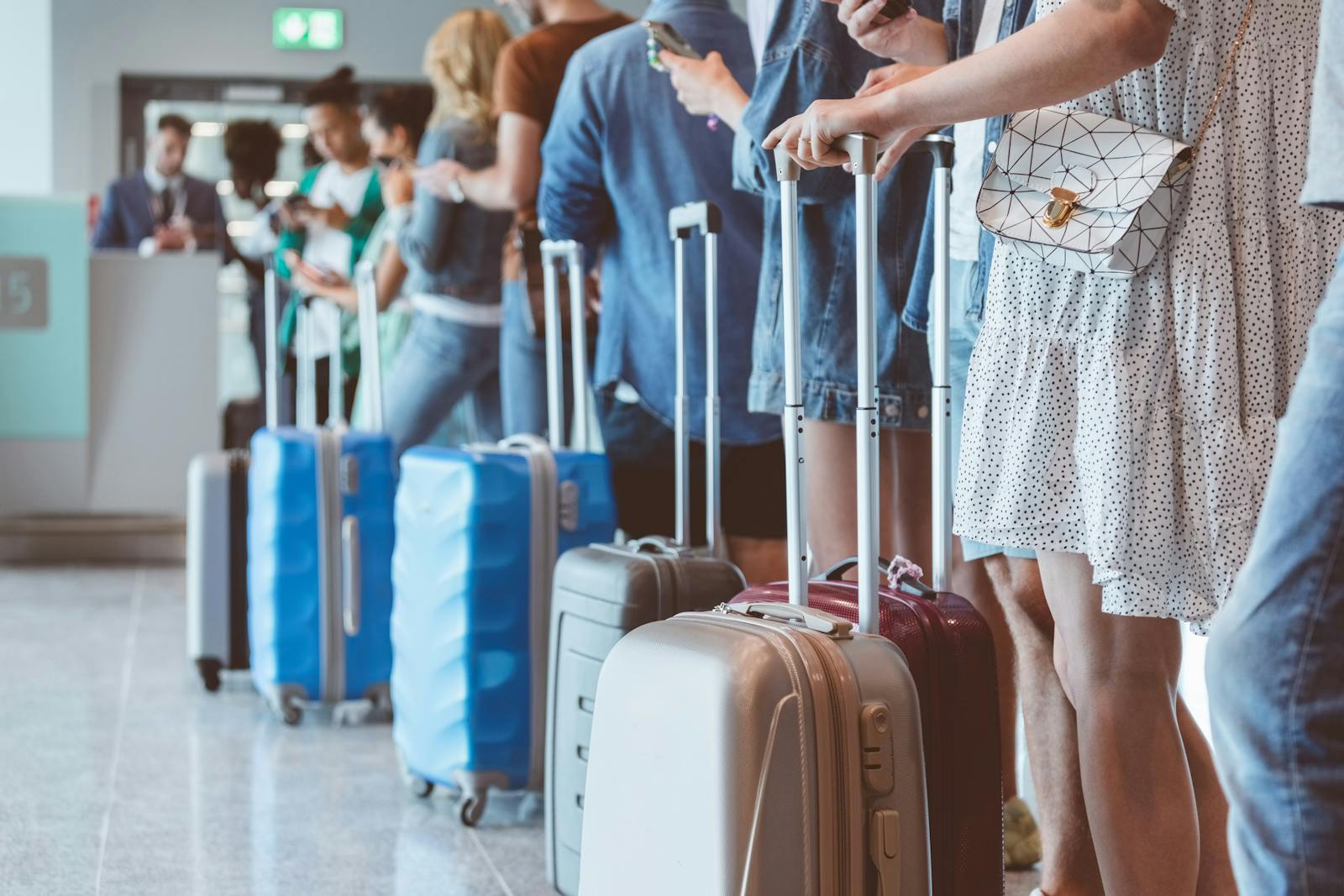
During a House hearing on Wednesday, the Transportation Security Administration's acting head, Ha Nguyen McNeill, stated that current wait times represent the longest in the agency's 24-year history of operations at security checkpoints throughout the country. She explained that delays can stretch beyond four and a half hours at some major airports where as many as 50% of the administration's employees have called out sick or are unavailable due to the partial shutdown situation affecting critical infrastructure. "Wait times at airports are currently the longest in the agency's 24-year history," Ha Nguyen McNeill said during a House hearing on Wednesday regarding the staffing shortages impacting travel hub checkpoints across the nation.
Out of this historic air travel chaos, however, a few outliers have cashed in on frustrated travelers who are willing to buy their way out of long lines at busy terminals throughout the United States during peak travel seasons. Clear is a biometric firm whose subscription lets users bypass ID checks through fingerprint or eye scans and jump to the front of the screening line without waiting in the general queue for security processing today. The company has reported that demand for its services has increased significantly as passengers seek alternatives to standard TSA lines due to prolonged wait times affecting their travel schedules this year.
According to data from Appfigures, Clear's app downloads in March have more than tripled from a year ago, and the app currently sees more daily downloads than the major carriers many of its customers are likely flying with such as Delta, American, and United. This surge in digital adoption highlights how consumers prioritize speed and convenience over cost when faced with logistical hurdles at busy airports across the country during high demand periods for commercial airline travel.
The company's stock has also jumped nearly 60% this year, inching closer to the all-time high it hit shortly after its 2021 initial public offering on the stock market exchange in New York. This financial performance reflects growing confidence among institutional investors regarding the viability of private screening solutions amidst systemic failures within the federal security apparatus managing passenger flow nationwide.
What This Means Still, Clear's momentum could slow down or cease entirely if the broader TSA system collapses under pressure from continued understaffing and resource constraints at security checkpoints. Relief might not be on the way just yet regarding full staffing for surging travel volumes during the 2026 FIFA World Cup in June when international visitor numbers are expected to reach record levels globally. Agency officials have warned that the TSA won't be fully staffed in time to handle surging travel volumes during the 2026 FIFA World Cup in June.
Market Implications If the Transportation Security Administration cannot resolve its staffing crisis soon, reliance on private alternatives like Clear Secure could become a permanent fixture of the American travel landscape for years to come. This shift represents a significant change in how security is administered at airports, moving from a purely government-led model toward a hybrid approach involving private sector technology and biometric identity verification systems widely used today.
Future Outlook Travelers should remain vigilant about potential further disruptions to their schedules as the government shutdown persists and Congress debates funding levels for federal agencies responsible for national security infrastructure maintenance. The aviation industry will need to adapt quickly to these new realities, potentially reshaping how passengers interact with security checkpoints at airports across the United States before the next holiday travel season arrives.