Researchers from Utrecht University and the Royal Netherlands Institute for Sea Research have identified the location of vast amounts of missing ocean plastic. Their study reveals approximately 27 million tons of nanoplastics floating in the North Atlantic alone. This finding resolves a long-standing mystery regarding the disappearance of macroplastic waste over recent decades.
To gather data, a research team spent four weeks aboard the vessel RV Pelagia traveling from the Azores to the European continental shelf. They collected water samples at 12 different locations and filtered out particles larger than one micrometer. Mass spectrometry analysis in Utrecht laboratories identified characteristic molecules of various plastics in the remaining material. This process allowed scientists to measure the smallest particles previously undetectable by standard oceanographic methods.
Scale of the Pollution
Helge Niemann, a professor of geochemistry at Utrecht University, stated that the volume of nanoparticles exceeds that of larger microplastics globally. This estimate shows that there is more plastic in the form of nanoparticles floating in this part of the ocean than there is in larger micro- or macroplastics floating in the Atlantic or even all the world's oceans!Niemann received a 3.5 million euro grant in mid-June to further investigate the fate of these particles.
Previous studies confirmed the existence of nanoplastics, but no one could calculate the total quantity until now. The breakthrough involved combining ocean research with expertise from atmospheric science including contributions from Utrecht University scientist Dusân Materic. Scientists suggest this hidden mass explains why visible plastic accumulation does not match production figures. Global production of plastic has surged, yet the visible debris in the ocean has remained inconsistent with these numbers.
Health and Environmental Risks
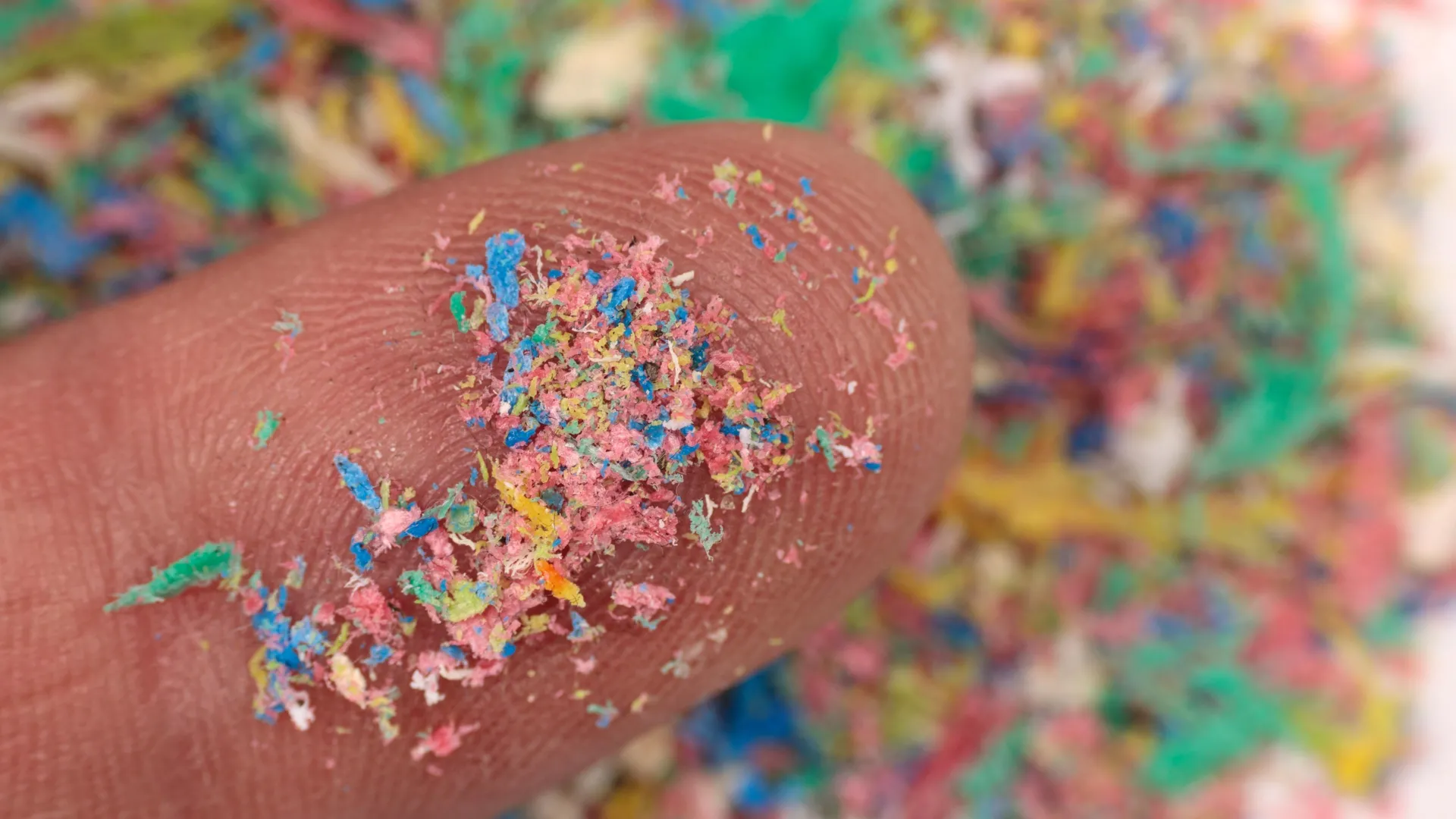
These microscopic plastics originate from fragmented debris, river runoff, and atmospheric deposition via rain or dry settling. The small size allows them to penetrate living organisms and enter deep into human bodies. Niemann noted that nanoplastics are already found in brain tissue, raising concerns about food web contamination.
The widespread presence implies potential movement from microorganisms to fish and ultimately to humans. Scientists caution that the full impact on ecosystems and health remains unclear and requires further study. Current data suggests these particles are too small and widespread to be removed once dispersed. This lack of remediation options places the burden on prevention strategies for global industry.
Researchers did not detect certain common plastics, such as polyethylene, in the smallest particle range during this study. Niemann suggested these materials might be masked by other molecules in the analysis. The team now aims to determine if similar levels exist in other oceans beyond the North Atlantic.
While this discovery fills a critical gap in understanding pollution, it presents a difficult reality for policy makers. The findings highlight the urgency of preventing further plastic pollution before it breaks down into an even more persistent problem. International cooperation will be required to manage these invisible hazards effectively across maritime jurisdictions. Economic costs associated with environmental health could rise as these particles enter the food chain at scale.