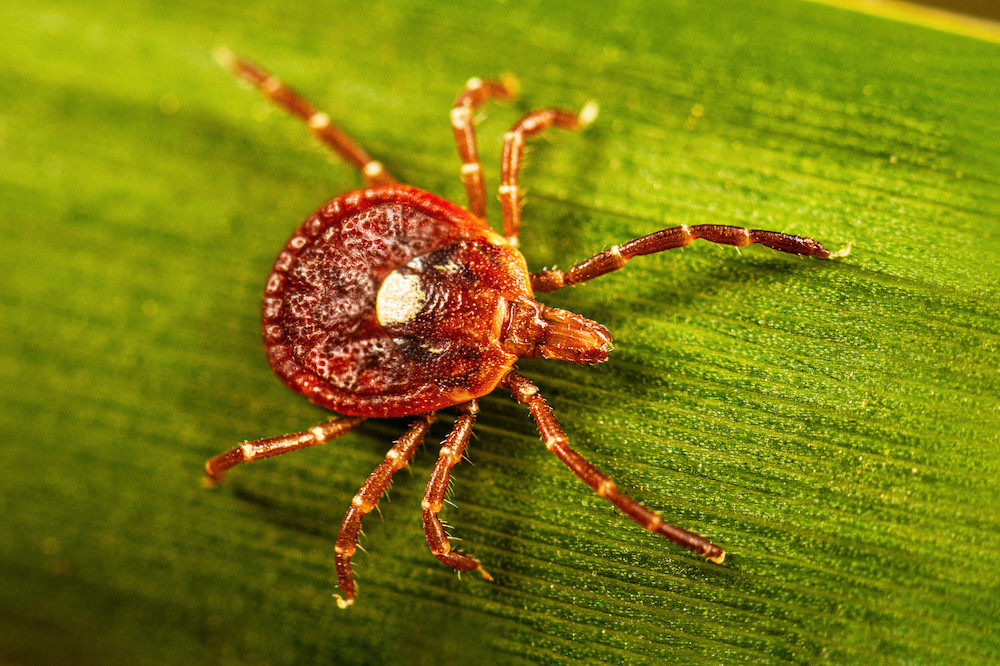
A new study from The Ohio State University indicates that ticks hitchhiking into homes on clothing or pets can survive for weeks on interior flooring surfaces.
This research, published in the Journal of Vector Ecology, challenges common assumptions about indoor tick mortality rates and environmental conditions. Scientists tested two specific species capable of transmitting serious pathogens to humans and animals within residential environments.
Researchers assessed survival rates across five types of common home flooring including tile, wood, vinyl, and both short-pile and shag-like carpet varieties.
Gulf Coast ticks demonstrated significantly longer survival periods overall compared to lone star ticks during the experimental conditions. However, an unexpected finding emerged regarding lone star ticks living longer on long-pile carpet than on other hard surfaces like tile.
Overall data showed Gulf Coast ticks survived for approximately 18 days with the longest average lasting 25 days on vinyl flooring materials.
In contrast, lone star ticks lived an average of 11 days total with their longest survival occurring almost 15 days on long-pile carpet surfaces. The shortest survival times recorded were for lone star ticks on tile where they lasted only about seven days before succumbing to environmental stressors.
First author Afsoon Sabet, a PhD student in entomology at Ohio State, emphasized that ticks pose risks even in places people least expect such as their own houses. She stated that hitchhiking ticks have not yet bitten and are actively looking for a host once they enter someone’s home environment. This behavior complicates prevention efforts because individuals often relax and stop thinking about tick prevention inside comfortable living spaces.
Co-senior author Risa Pesapane, associate professor of veterinary preventive medicine, explained the ultimate goal is to reinforce that brought-in ticks remain a risk. She noted having data around this fact could compel people to say doing tick checks is really important for safety. Researchers hope this information stops releasing ticks into home environments where comfort leads to negligence regarding disease vectors.
Total reported tick-borne disease cases in the United States increased by 40 percent from 2019 to 2022 according to the Centers for Disease Control and Prevention. Lone star ticks can transmit ehrlichiosis while Gulf Coast ticks transmit several spotted fever diseases affecting various mammals. Additionally, a compound in lone star tick saliva can induce alpha-gal syndrome which is a potentially life-threatening allergy to red meat.
The research methodology involved testing the survival time of 90 ticks per species placed in three rounds of experiments on each floor type. Ticks were individually covered with a cup so they could not escape but were allowed to move around freely within the designated spaces. Two rounds compared survival against control ticks kept in a growth chamber to confirm deaths were related specifically to flooring conditions.
Sabet monitored the ticks daily completing over 4,600 individual observations throughout the duration of the study period. In nature, ticks feed once per life cycle and the longevity of that tick is based on its ability to maintain moisture levels. Control ticks kept at ideal temperatures and humidity levels in the lab survived for more than a year under those specific conditions.
The cause of death was presumed to be desiccation or loss of moisture due to indoor air conditions which are inherently drying. Pesapane noted that home conditions are desiccating but this study shows ticks do not die immediately upon entering a house. Pinpointing exactly how long a tick might survive in a home is difficult because people’s homes vary in their environmental conditions significantly.
This work was supported by the National Institute of Food Agriculture within the U.S. Department of Agriculture funding structure. The findings underscore the necessity of taking protective measures to prevent tick bites through prevention products for people and pets. Thoroughly checking an animal for ticks with a brush or lint roller is recommended immediately upon entering a home from outdoors.