A week of intensive meditation can physically rewire the human brain and boost immune health, according to a study published by the University of California San Diego. Researchers found that participants who underwent seven days of guided mental training exhibited biological changes typically associated with the use of psychedelics, all without the use of drugs.
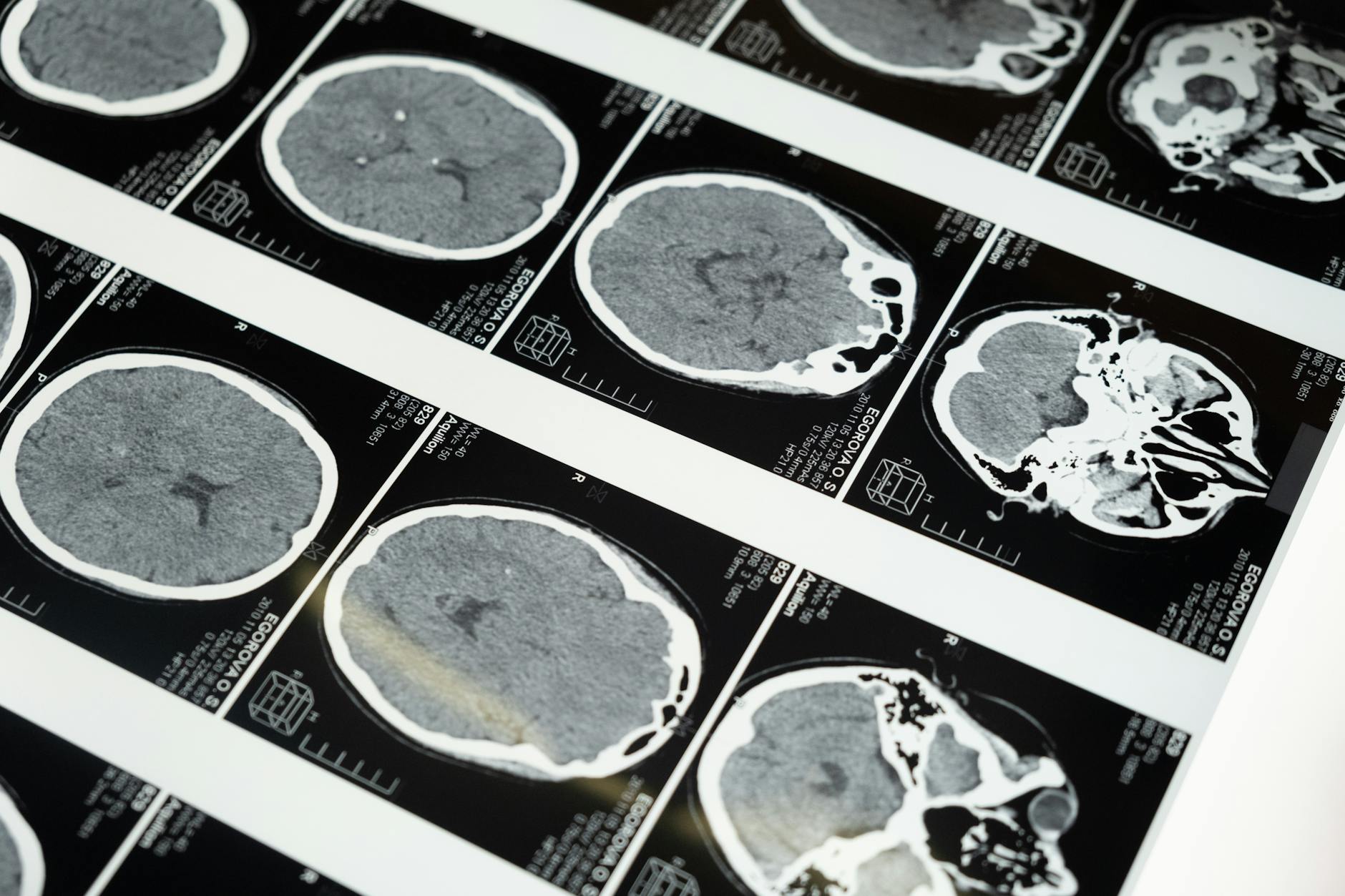
Twenty healthy adults participated in a residential retreat led by neuroscience educator Joe Dispenza. The program included 33 hours of guided meditation, group healing activities, and lectures. Scientists tracked the participants using functional magnetic resonance imaging (fMRI) and blood analysis before and after the week-long event.
Biological shifts in brain and blood
The data revealed significant improvements in brain efficiency, characterized by a reduction in the "mental chatter" associated with internal monologue. Researchers also observed increased neuroplasticity, as blood plasma collected after the retreat successfully encouraged lab-grown neurons to form new connections.
Beyond brain activity, the study documented a rise in endogenous opioids, the body’s natural pain-relief chemicals. The immune system also showed a more balanced response, with an increase in both inflammatory and anti-inflammatory signaling.
"This isn't about just stress relief or relaxation; this is about fundamentally changing how the brain engages with reality and quantifying these changes biologically," said Hemal H. Patel, a professor of anesthesiology at the UC San Diego School of Medicine.
Participants reported higher levels of mystical experiences, including feelings of transcendence and unity, following the retreat. Those who reported more profound subjective experiences showed the most significant biological changes, including enhanced coordination between different regions of the brain.
The research, published in the journalCommunications Biology, suggests that intense mental practice can mirror the neural connectivity patterns usually induced by psilocybin. Patel noted that the findings provide a clear link between subjective mental states and measurable physiological markers.
While the program utilized an "open-label placebo" approach—where participants were aware of the experimental nature of the exercises—the researchers emphasized that the resulting biological data remains robust. The study was supported by the InnerScience Research Fund to better understand how ancient mind-body techniques interact with modern biological systems.