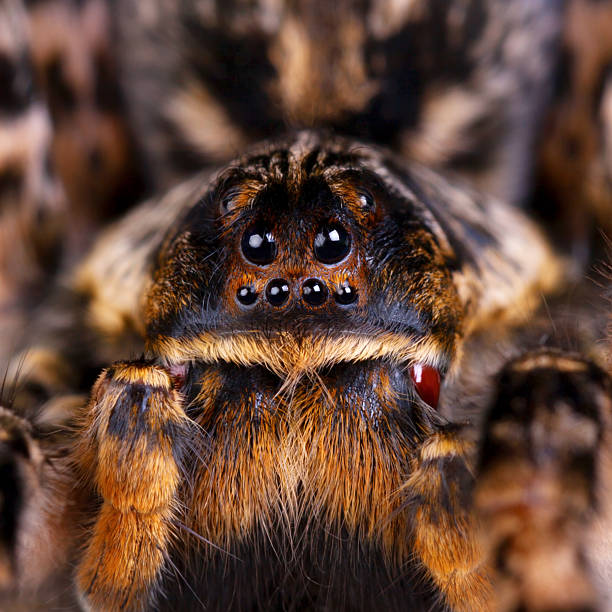
A team of international researchers has identified a distinct group of tarantulas so morphologically unique that they required the creation of an entirely new genus, Satyrex. The discovery, detailed in the journal ZooKeys, highlights four new species found across the Arabian Peninsula and the Horn of Africa.
Dr. Alireza Zamani of the University of Turku led the study. He explained that the genus name blends the Greek mythological figure 'Satyr,' known for exaggerated anatomy, with the Latin 'rēx,' meaning king.
Anatomy and survival tactics
The most striking feature of the Satyrex genus is the male's palps—specialized appendages used to transfer sperm. In the species Satyrex ferox, these palps reach lengths of up to 5 centimeters, nearly four times the length of the spider’s carapace.
"We have tentatively suggested that the long palps might allow the male to keep a safer distance during mating and help him avoid being attacked and devoured by the highly aggressive female," Dr. Zamani said. The name ferox, meaning fierce, reflects the aggressive temperament of these spiders.
When threatened, the spiders stand their ground by raising their front legs and producing a distinct hissing sound. They achieve this by rubbing specialized hairs located on the basal segments of their front legs together.
All members of the Satyrex genus are fossorial, meaning they dwell exclusively in underground burrows. They typically construct these homes in rocky crevices or at the base of desert shrubs.
The research team identified four new species: S. arabicus, S. somalicus, S. speciosus, and S. ferox. The genus also includes S. longimanus, a species originally documented in Yemen in 1903 but previously misclassified under the genus Monocentropus.
Dr. Zamani noted that the reclassification was necessary because the palps of the previous classification did not match the extreme proportions found in the new group. While typical tarantula palps range from 1.5 to 2 times the length of the carapace, the Satyrex genus consistently exceeds these dimensions. According to Dr. Zamani, this confirms that in tarantula taxonomy, physical size is a primary indicator for classification.