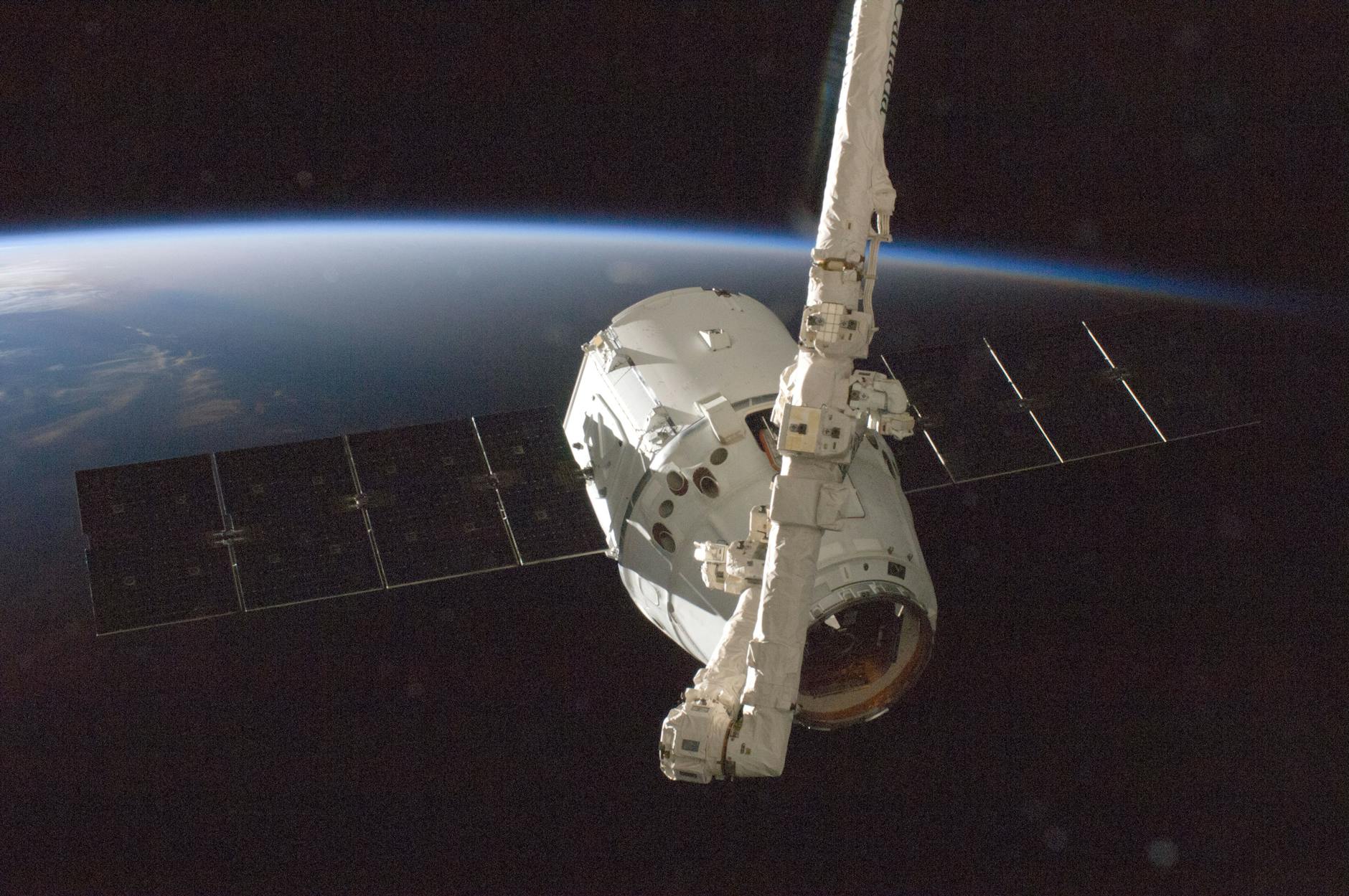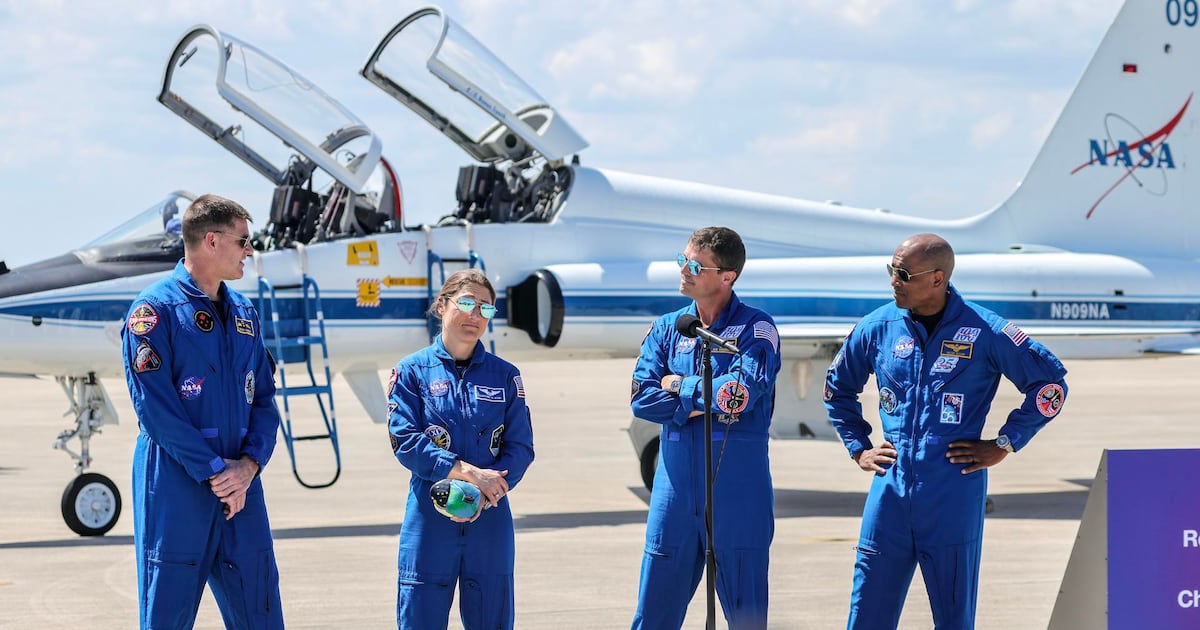
The National Aeronautics and Space Administration has officially selected the crew for the Artemis II mission, marking the first human flight beyond low-Earth orbit in more than 50 years. This four-person team will validate critical life-support systems for the Orion capsule and Space Launch System rocket before the agency proceeds to surface landings. The mission duration is estimated at nine days and aims to demonstrate readiness for the subsequent Artemis III lunar landing.
Key Crew Members
Reid Wiseman assumes the role of mission commander, bringing extensive experience from the Naval Aviator corps and prior spaceflight. He previously spent 165 days aboard the International Space Station, where he completed two complex spacewalks. Wiseman will lead operations to ensure crew safety during the deep space trajectory. Victor Glover serves as the pilot, holding over 3,500 flight hours and 400 carrier landings.
Historical Significance
Glover became a key figure after participating in the first operational flight of the SpaceX Crew Dragon in 2020. His station tenure lasted 168 days, solidifying his reputation as one of the agency’s most experienced aviators. This project marks Glover as the first African American to serve on a lunar mission. Christina Koch participates as a mission specialist and electrical engineer.
Koch holds the female record for continuous time in space with 328 days. Her history includes six spacewalks, establishing significant milestones for women in technical exploration. She will be the first woman to travel toward lunar orbit. Her scientific knowledge plays an essential role for the eventual establishment of permanent bases. Jeremy Hansen joins the group as a mission specialist representing the Canadian Space Agency.
International Cooperation
Hansen is a combat pilot with training in space sciences and will be the first non-U.S. citizen to cross into deep space. His career involves directing astronaut training classes at NASA, reinforcing the international partnership of the Artemis program. The diverse crew composition reflects the global nature of modern space exploration efforts. This selection highlights a strategic shift toward collaborative missions rather than unilateral endeavors.
Strategic Implications
The mission serves as a critical test of the Orion spacecraft and SLS rocket performance. Success in this flight will directly influence the timeline for future Artemis missions to the lunar surface. International partners like Canada are gaining increased roles in high-profile U.S. space programs. This cooperation strengthens diplomatic ties through shared technological and scientific achievements.
Future Outlook
The agency plans to use the data from this flight to refine systems for the Artemis III landing. Industry stakeholders will monitor the crew performance for safety protocols and operational efficiency. Any technical challenges identified during the nine-day flight could delay subsequent lunar surface operations. The outcome of this mission will determine the trajectory for sustained human presence in cislunar space.