Scientists have discovered that the magma reservoir tied to the largest volcanic eruption of the Holocene is filling again. The finding, led by Kobe University researchers studying Japan's Kikai caldera, offers new insight into how massive caldera systems evolve over time. Published in Communications Earth & Environment, the study provides a detailed model of the magma recharging process beneath the Pacific Ocean.
Some volcanic eruptions are so extreme that they release enough magma to bury all of Central Park under significant material depth. After such an event, the landscape collapses into a broad, relatively shallow crater known as a caldera. Famous examples include Yellowstone in the United States, Toba in Indonesia, and the largely submerged Kikai caldera in Japan.
Underwater Seismic Imaging Reveals Magma System
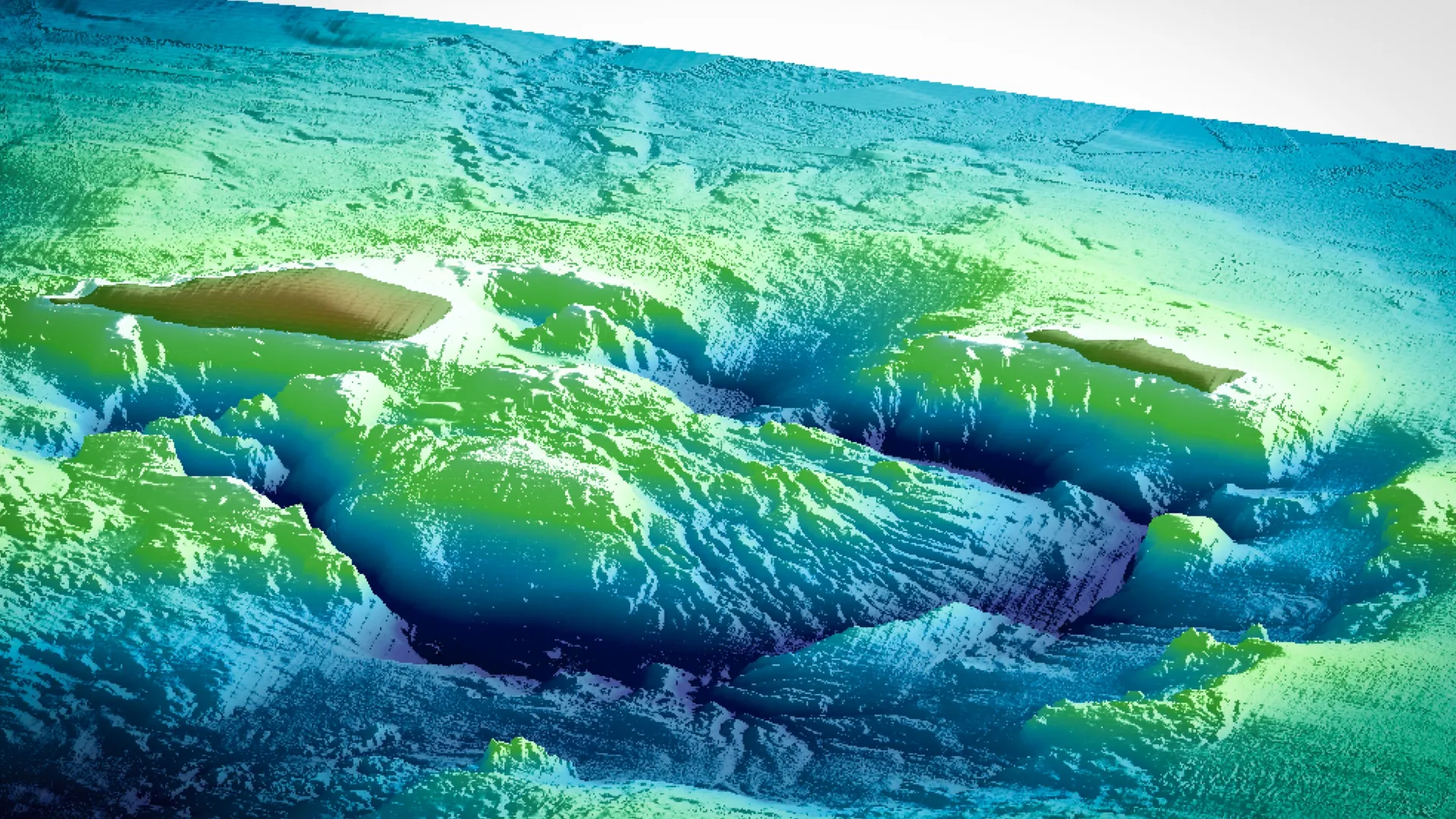
Kikai's underwater setting provides a unique research advantage for the geological team investigating the site. Working with the Japan Agency for Marine-Earth Science and Technology, the team used airgun arrays to generate controlled seismic pulses. Ocean bottom seismometers tracked how those waves move through the Earth's crust to build a detailed picture of the structures beneath the caldera.
Fresh Magma Injection Drives Recharging Process
The magma currently present does not appear to be leftover from the earlier eruption that occurred 7,300 years ago. Chemical analysis shows that this newer material differs from what was released during the previous eruption event. Scientists observed a lava dome forming at the center of the caldera over the past 3,900 years indicating fresh activity.
"Due to its extent and location it is clear that this is in fact the same magma reservoir as in the previous eruption," Seama Nobukazu said.
He added that understanding how such large quantities of magma can accumulate is crucial for forecasting. The findings support a broader model explaining how magma reservoirs beneath caldera volcanoes refill over time. Researchers want to refine the methods that have proved so useful in this study to more deeply understand the re-injection processes.
The proposed magma re-injection model aligns with observations of large, shallow magma systems beneath other major calderas. Their ultimate goal is to become better able to monitor the crucial indicators of future giant eruptions. These insights help global scientists understand volcanic hazards in the Pacific Ring of Fire.
The Ministry of Education, Culture, Sports, Science and Technology funded this research. Researchers collaborated with the Japan Agency for Marine-Earth Science and Technology. The study adds to the growing body of knowledge regarding volcanic hazards in the Pacific Ring of Fire.
Global scientists will monitor updates on monitoring techniques as the project progresses toward the next phase. Continued research could significantly improve eruption forecasting and risk mitigation strategies worldwide. The implications extend beyond Japan to other regions containing similar dormant supervolcanoes.