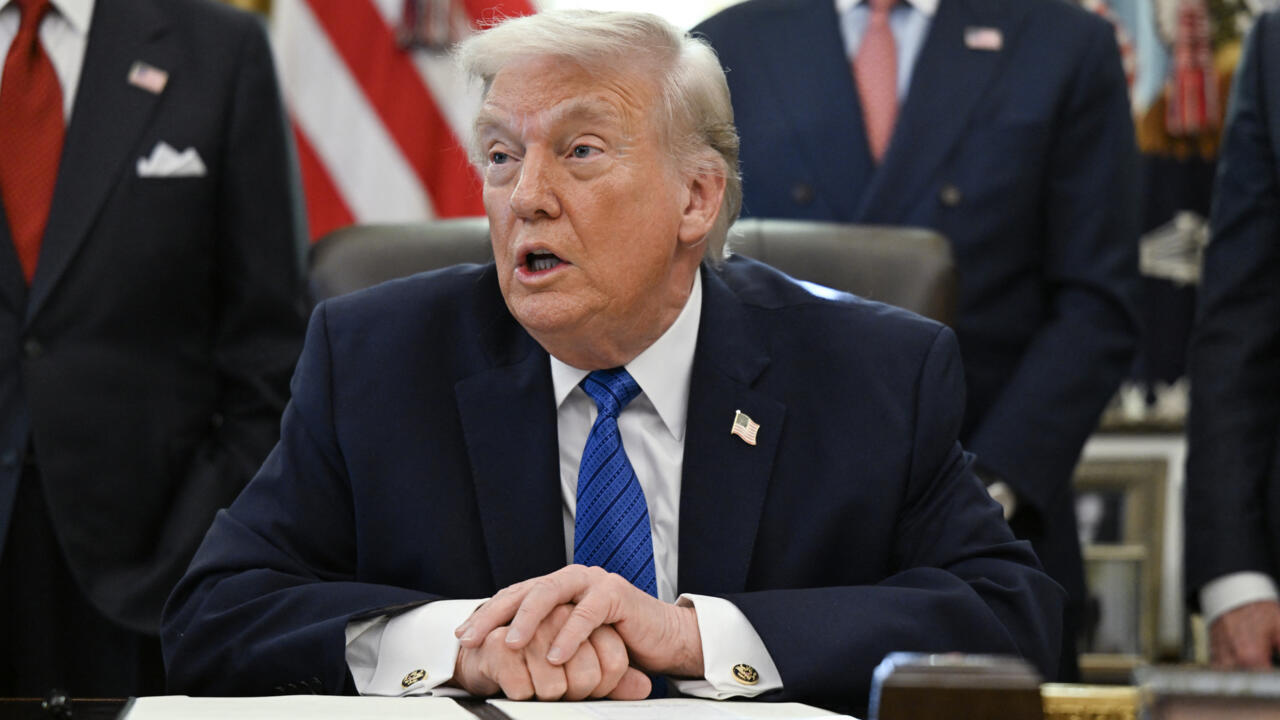
US President Donald Trump stated on Friday that he believes Iran desires a negotiated settlement to avert military confrontation, while simultaneously warning about the size of the US naval assets moving into the area. The President confirmed setting an undisclosed deadline for Tehran's response to unspecified terms for an agreement, according to reports from the Oval Office.
Iran's chief diplomat, Abbas Araqchi, affirmed Tehran's willingness to resume talks, stressing that any engagement must be "fair and equitable" and exclude discussions regarding Iran's defensive military capabilities. This diplomatic positioning contrasts sharply with the US military buildup, which Trump noted was larger than the force projection previously used in the operation targeting Venezuela.
Geopolitical tensions are further complicated by diplomatic outreach, as Russian President Vladimir Putin reportedly met Ali Larijani, the Secretary of Iran's Supreme National Security Council, in Moscow. The Kremlin confirmed the meeting focused on economic ties and regional issues, suggesting concurrent efforts by regional powers to de-escalate the standoff.
Meanwhile, international sanctions pressure mounts, with the European Union imposing measures against Iran’s interior minister, Eskandar Momeni, for overseeing the violent suppression of anti-government protests. The US Treasury leveled similar accusations against Momeni, citing his oversight of law enforcement forces implicated in protester fatalities.
Domestically, reports from rights groups indicate that Iran's internal security crackdown is impacting civilian infrastructure, with hospitals allegedly being raided to arrest wounded protesters and attending medical staff. Amnesty International and the Center for Human Rights in Iran have documented instances where authorities sought individuals with injuries sustained during demonstrations.
Economic markets reacted to the mixed signals of potential conflict and diplomacy, with Brent crude futures falling nearly one percent on Friday, easing concerns over potential supply disruptions from a US military strike in the Gulf. This price movement suggests investors currently favor the prospect of dialogue over immediate kinetic action.
Turkey's President Recep Tayyip Erdogan offered his services as a facilitator between Washington and Tehran, according to a statement from the Turkish presidency, indicating active mediation efforts underway. Iranian President Masoud Pezeshkian reportedly emphasized that successful diplomacy is contingent upon the US ending its threatening military posture in the region.