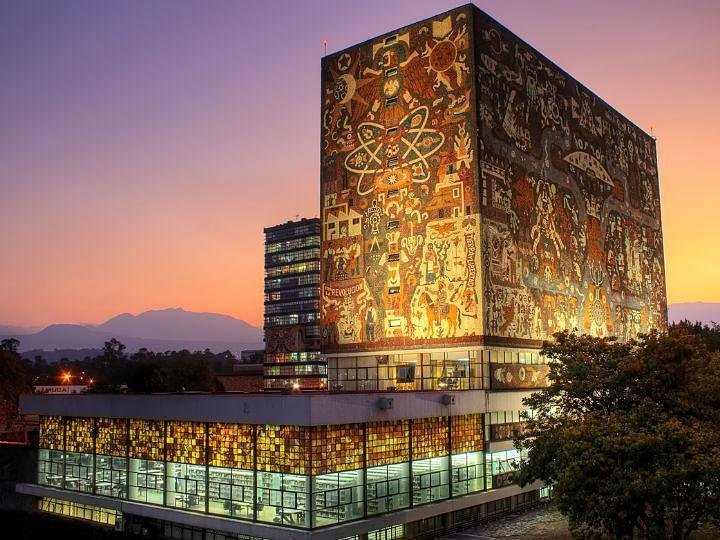
While tens of thousands of applicants compete for a handful of spots in high-demand fields at the National Autonomous University of Mexico (UNAM), a different trend is emerging in less traditional disciplines. For the 2025 academic cycle, 14 undergraduate programs failed to fill their available enrollment slots, leaving 82 seats vacant across the group.
Data from the university’s Directorate General of School Administration (DGAE) shows that these 14 programs offered 596 total spots but received only 514 applications. This represents a stark contrast to programs like Medical Surgery, which saw more than 27,000 students vie for just 326 positions.
A disconnect in student demand
Academic programs experiencing this surplus include Geosciences, Sustainable Materials Science, Territorial Development, and various modern language degrees. According to UNAM, the low enrollment figures often stem from a lack of public awareness, misconceptions regarding career prospects, and the geographical location of the programs.
Nine of these 14 under-enrolled programs are based at the National School of Higher Studies (ENES) campuses located in states like Michoacán, Guanajuato, and Yucatán. For many students, the requirement to relocate creates a significant financial and logistical barrier, making these degrees less attractive than those offered in Mexico City.
Specialized admissions processes also skew the data for certain creative fields. Programs like Ethnomusicology and Cinematography require intensive preparatory cycles or prior university enrollment before a student can even apply to the major. Consequently, the low application numbers for these degrees do not necessarily reflect a lack of interest, but rather the complexity of the selection process itself.
Despite the enrollment gap, university officials confirm that these programs are not at risk of cancellation. The university continues to expand its offerings at satellite campuses to better align with regional labor market needs. For students willing to look beyond traditional paths like Law or Medicine, these under-saturated programs offer a rare opportunity to enter highly specialized fields with significantly less competition.