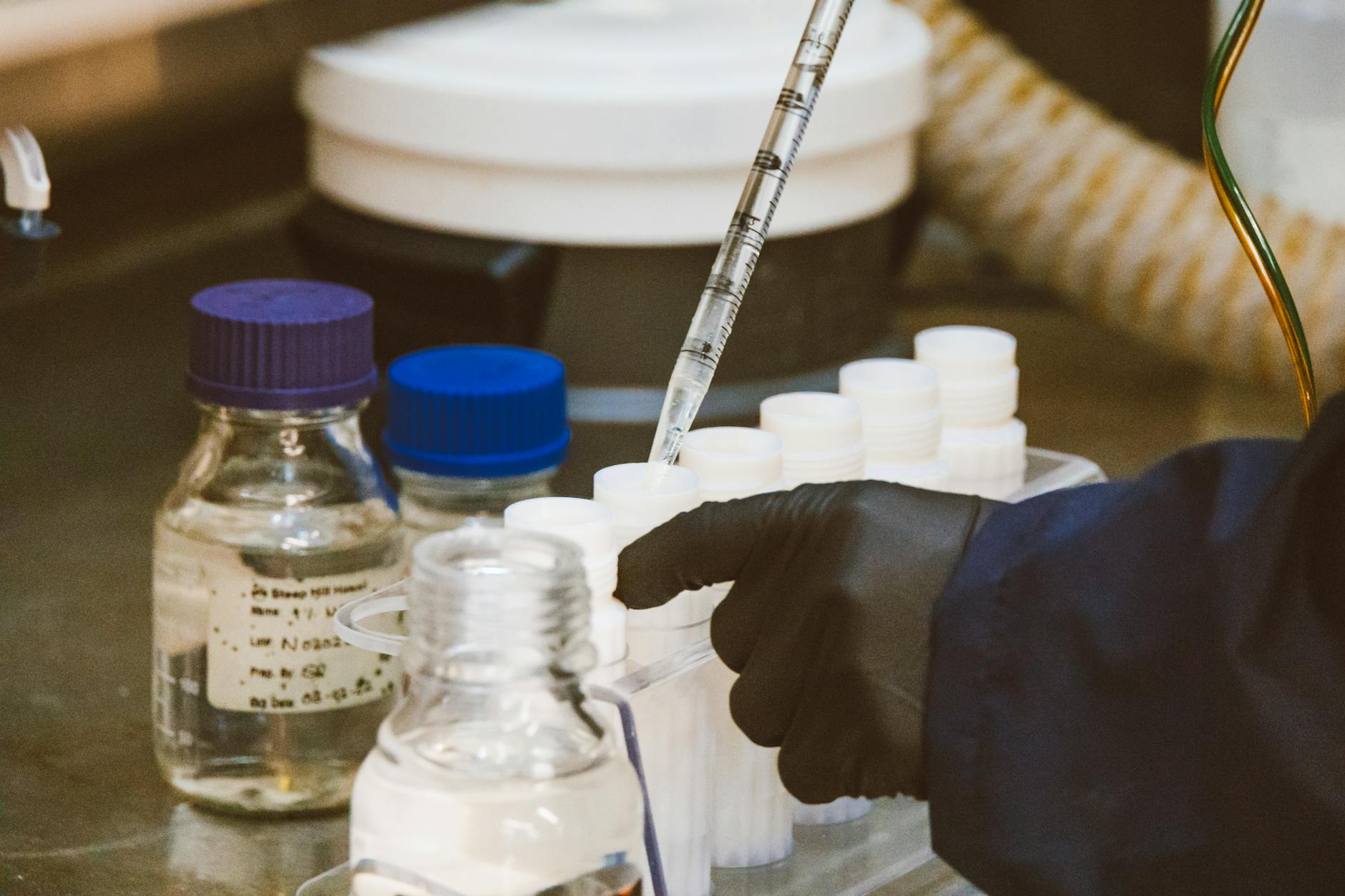
The National Autonomous University of Mexico (UNAM) has officially expanded its academic offerings to 134 degree programs. The University Council approved the creation of a bachelor’s degree in Industrial Cosmetic Chemistry earlier this year to address the growing demand for specialized professionals in the beauty and personal care sector.
The program will be housed at the Faculty of Higher Studies (FES) Cuautitlán. UNAM plans to accept an inaugural class of 20 students into the full-time, in-person program. The curriculum spans nine semesters and includes 57 subjects totaling 380 credits.
A strategic move for Mexico's economy
The university designed the degree to prepare students for the design, formulation, and management of safe and sustainable cosmetic products. This initiative aligns with Mexico's position as a dominant force in the international beauty market. According to UNAM, Mexico currently ranks as the fifth-largest producer of cosmetics and perfumes globally, trailing only the United States, China, Brazil, and Germany.
Market data from 2023 highlights the industry's local importance, with a valuation reaching 17.2 million dollars. The sector contributes approximately 0.7% of Mexico's manufacturing gross domestic product. By launching this degree, the institution seeks to bridge the gap between academic research and a thriving industrial sector.
This addition continues a broader trend of diversification at Mexico’s largest public university. Between 2014 and 2020, UNAM introduced a wide range of degrees across its four main areas of knowledge. These include specialized fields such as Data Science, Aerospace Engineering, and Forensic Science.
The expansion reflects a shift toward interdisciplinary studies. In the social sciences, the university has added programs like International Business and Territorial Development, while the humanities faculty has seen the inclusion of degrees like Cinematography and Applied Linguistics. These efforts aim to align the university's research and teaching capabilities with the evolving professional landscape in Mexico.