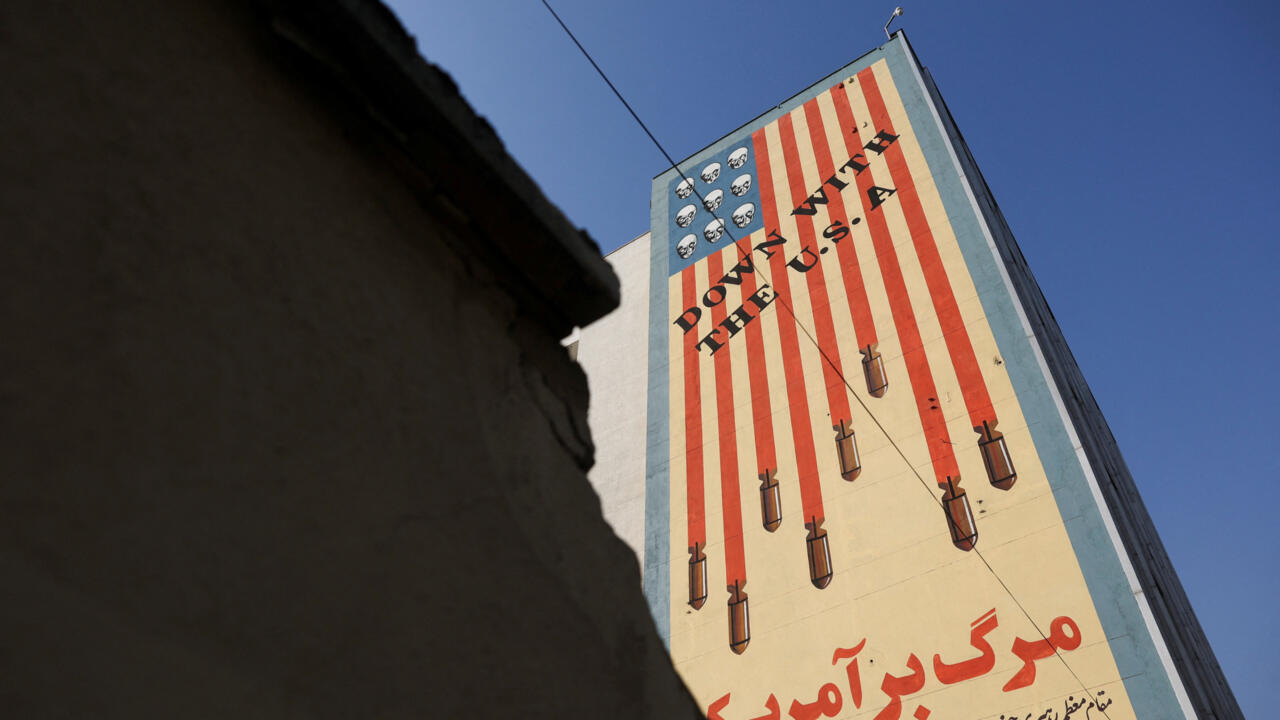
Iran’s top diplomat, Abbas Araghchi, arrived in Istanbul on January 30 to engage in talks where Turkey offered to mediate rising tensions with the United States, according to reports. This diplomatic outreach occurred as Washington maintained a posture of heightened readiness, including mooting the possibility of military strikes against Iranian interests.
The timing of this Turkish-brokered meeting is significant, as it follows a period of increasingly stern warnings directed at Tehran from US officials, including President Trump, who recently stated that time was "running out." This suggests that while public statements remain aggressive, parallel efforts toward de-escalation are underway.
Reports emerging from Tehran indicate a subtle recalibration in the tone from the US side, even if the underlying strategic confrontation persists. FRANCE 24’s Reza Sayah provided context on the situation as observed from the Iranian capital.
Turkey’s role as an intermediary is not new, leveraging its complex relationship with both Washington and Tehran to facilitate necessary, albeit often discreet, communication. Such backchannel diplomacy is crucial when formal diplomatic ties remain strained or severed.
The economic implications of continued military escalation in the Gulf region are substantial, particularly concerning hydrocarbon transit routes and global energy pricing stability. This diplomatic push seeks to safeguard regional economic corridors.
Analysts suggest these localized talks are designed to test intentions and establish parameters for future negotiations, potentially revolving around sanctions relief or regional security guarantees. The success of these maneuvers hinges on mutual willingness to compromise.
What comes next involves monitoring whether these private discussions translate into tangible shifts in policy or rhetoric from either the US or Iranian capitals. The immediate geopolitical focus remains fixed on preventing miscalculation in the volatile region.