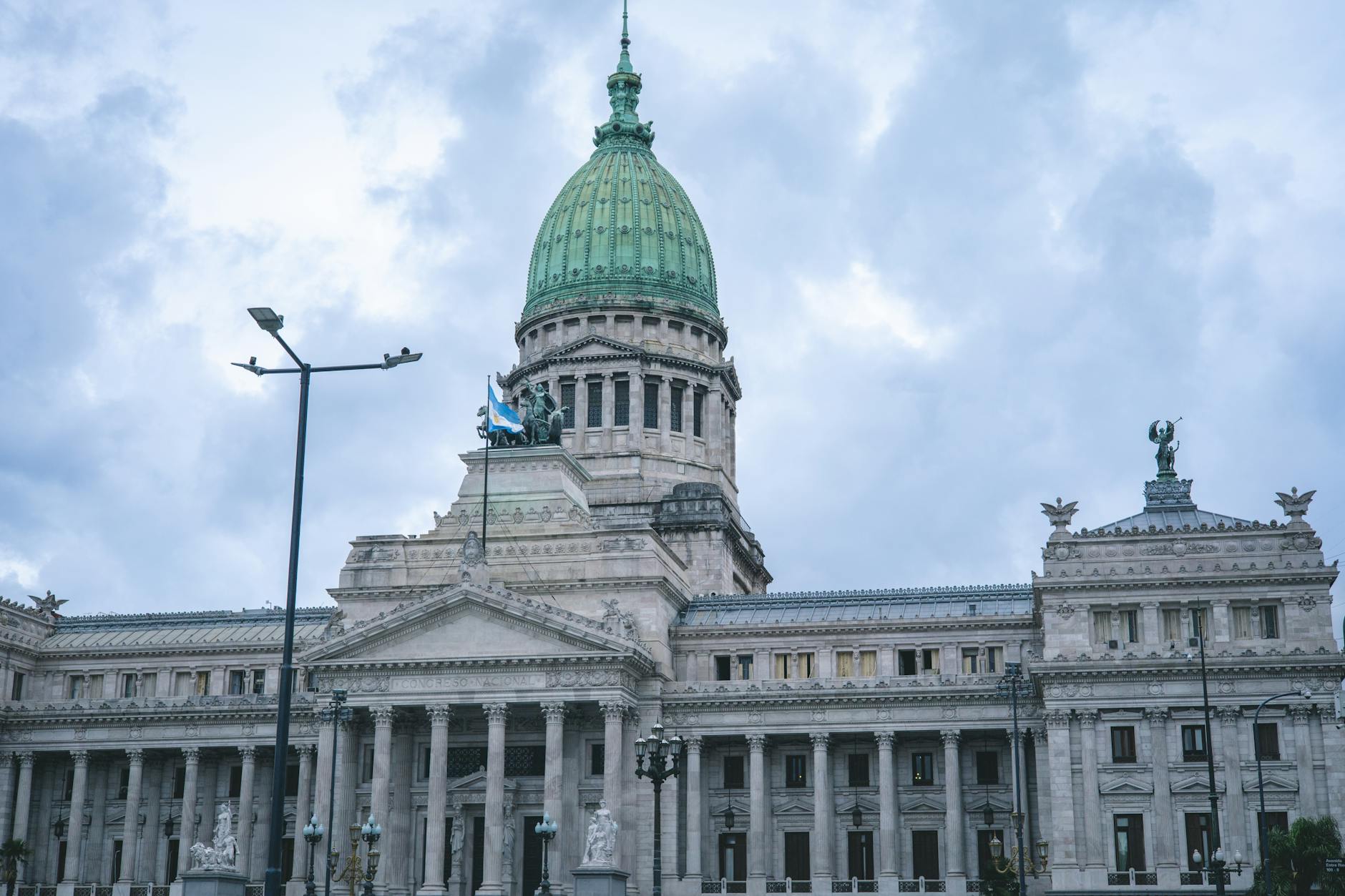
A Symbolic Transition
The month of March has marked a significant juncture for Chile. As the nation begins a new political cycle under the administration of President Kast, the global community has bid farewell to Jürgen Habermas, the intellectual titan who fundamentally shaped modern democratic theory. For observers of Chilean politics, this coincidence is more than a mere calendar footnote; it serves as a poignant reminder of the tension between executive efficiency and the requirements of a healthy democracy.
The Trap of Executive Urgency
Every incoming government faces the temptation to prioritize speed, efficacy, and the rapid ordering of legislative priorities. The current administration has hit the ground running, introducing a 'National Reconstruction Plan,' setting legislative urgency for 20 distinct projects, and withdrawing 43 pending decrees. While this 'emergency government' approach may address immediate national concerns—such as economic reactivation, security, and organized crime—it carries an inherent political risk.
Alejandra Sepúlveda, writing forLa Tercera, argues that a President governs for the entire citizenry, not merely their electoral base. The challenge for the new administration is to ensure that these rapid-fire decisions are not only effective but also perceived as legitimate through public justification.
Bridging the Polarization Gap
Data from the Third National Study on Polarizations, conducted by Criteria and 3xi, suggests a disconnect between the political elite and the general public. While the political class often appears entrenched in ideological silos, the broader citizenry is signaling a clear desire for consensus and social cohesion.
In this environment, Habermas’s concept of 'deliberative democracy' becomes a vital diagnostic tool. According to this framework, trust is not built simply through the exercise of power, but through the interaction between institutional decisions and the public processes that justify them. If the government fails to subject its policies to the 'test of shareable reasons,' it risks alienating a public that is increasingly wary of unilateral action.
The Case for Inclusive Policy
Sepúlveda highlights specific policy omissions that underscore the potential dangers of prioritizing speed over deliberation. For example, the absence of universal nursery care in the executive’s legislative priorities is not just a policy gap; it is a structural failure to address a primary barrier to female labor participation.
'Can an integral reactivation be projected without removing the main barrier to female labor participation?' the analysis asks. By reducing the debate to fiscal discipline or immediate incentives, the government risks ignoring the 'social infrastructures of inclusion' that make long-term growth sustainable and shared.
Conclusion: A Call for Reasoned Governance
As Chile navigates this new chapter, the legacy of Habermas serves as a challenge to the political class. The urgency of the current crisis may explain the government's rapid pace, but it cannot serve as a permanent substitute for public justification. The true test for the new administration will be whether it chooses to govern through dialogue that seeks recognition from all parts of society, or whether it allows the deliberative process to decline further. Ultimately, the task of building trust requires more than just administrative efficiency—it requires the hard, necessary work of understanding one another.