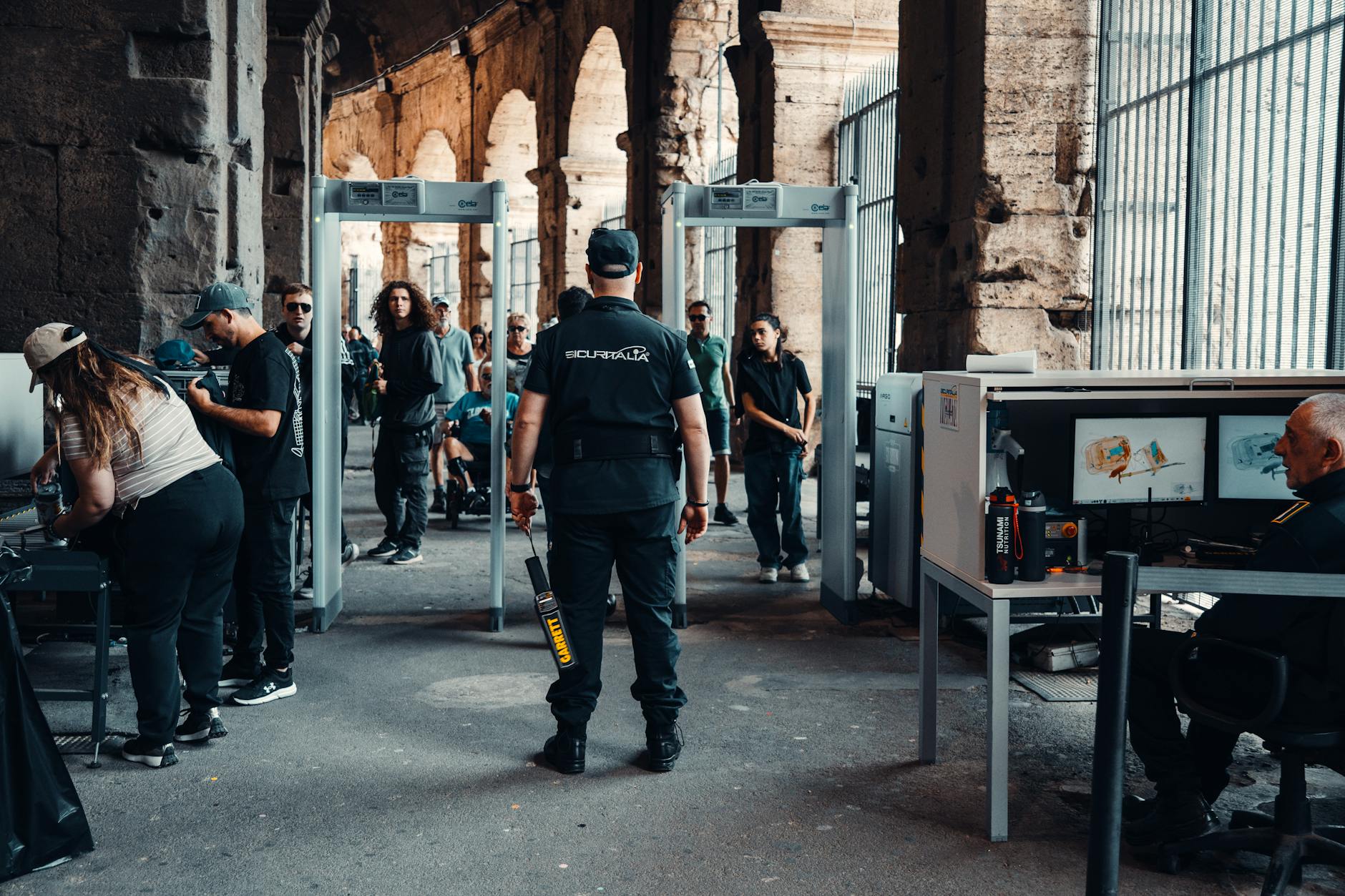
The Santiago Centro Local Public Education Service (SLEP) has begun discussions with principals from its 43 schools to evaluate the potential installation of metal detectors across the network.
In an official memo sent on April 9, Executive Director Paulina Retamales requested that school administrators present a proposal for consultation within their respective school communities.
The move is based on Article 10 of Law No. 21.809 regarding school coexistence, a regulation that allows for the use of technological resources to ensure safety within schools.
Requirements for implementation
Retamales specified that adopting this technology requires substantiated evidence of a risk to student safety. The use of these devices must be supported by the school community and accompanied by the creation of an internal protocol.
Principals must submit a detailed assessment including data on incidents of violence, the perceived level of safety on campus, and a review of internal school coexistence regulations.
“The Service must plan in advance the budgetary and administrative aspects necessary for any potential implementation, including resource management, bidding processes, and procurement,” the Executive Director noted in the document.
The process also requires an awareness campaign among various school stakeholders to explain the regulations and the implications of using this technology. The final decision must be formalized through a School Council minute or a community agreement.
SLEP will review each submitted proposal to assess its technical and administrative feasibility. Once proposals are approved, schools can proceed to the implementation stage.
Principals have until Friday, May 15, to submit the requested information. The new law is scheduled to take effect on July 1.
“Through this process, SLEP Santiago Centro aims to strengthen safe educational environments by promoting informed, participatory decisions that respect the rights of the entire school community,” Retamales stated.