Chile’s Agricultural and Livestock Service (SAG) has suspended the import of high-risk products from Argentina after scrapie was detected in breeding animals. The measure aims to protect the country's sanitary status following the discovery of the disease on Argentine territory.
The sanitary alert was issued on March 11 by Argentina's National Service for Agri-Food Health and Quality (SENASA). The Argentine agency notified SAG of the presence of the disease in animals at facilities located in the provinces of Santa Fe and Entre Ríos.
The SAG restriction specifically targets small ruminants intended for immediate slaughter. Additionally, the ban extends to milk and dairy products used in animal feed.
The agency has also banned the import of viscera and edible by-products from small ruminants. SAG classified these items as "high-risk merchandise" due to their potential for transmission, particularly those products that were already prepared for entry into the country.
Sheep meat imports remain unrestricted
Despite the aforementioned bans, the import of sheep meat remains authorized. SAG confirmed that this process continues under current sanitary requirements.
This decision aligns with recommendations from the World Organisation for Animal Health (WOAH). WOAH recognizes sheep meat as a safe commodity for international trade, allowing the flow of this product to continue under established control standards.
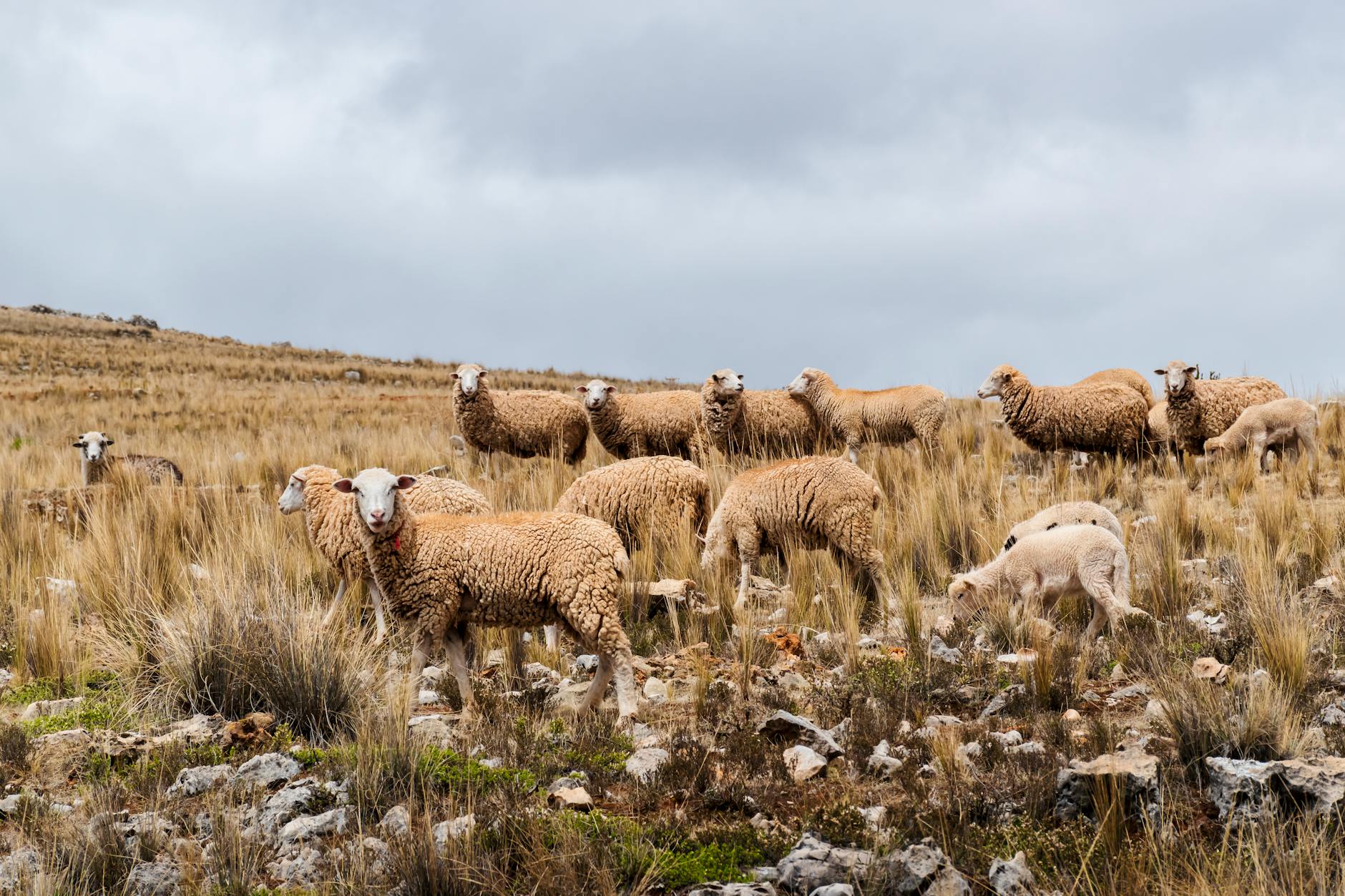
Scrapie, also known as prurigo lumbar, is a neurodegenerative disease that affects sheep and goat populations. The clinical presentation of the pathology is characterized by tremors in infected animals.
The primary route of transmission occurs from mother to offspring immediately after birth. Infection can also occur through exposure to fluids expelled during the birthing process or through direct contact with the tissues of an infected animal.