A Discovery Born of Persistence
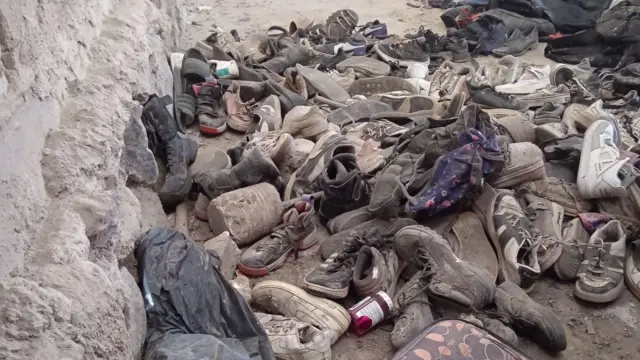
More than a year after the initial discovery of the Rancho Izaguirre, the site remains a haunting symbol of the humanitarian crisis facing Mexico. In a recent conversation with columnist Maite Azuela, investigative journalist and author ofTestigos del horror(Witnesses of Horror), Sandra Romandía, revisited the chilling events of March 5. On that day, the collective 'Guerreros Buscadores' (Searching Warriors) uncovered a site containing clandestine crematoriums, mounds of clothing, personal effects, and even items associated with Santería.
The discovery was not the result of a state-led operation, but rather the culmination of months of tireless investigation by a grieving mother named Indira. Having received a series of anonymous tips detailing illicit activities and the forced recruitment of youths, Indira took the initiative to confront the authorities.
The Authorities’ Warning: 'You Are Opening the Gates of Hell'
According to Romandía’s documentation, Indira’s journey to uncover the truth was met with indifference and intimidation. When she petitioned the National Guard for protection to enter the area—declaring that she would go alone if necessary—the response from authorities was not one of support, but of warning. She was told, "Go ahead, but you are going to open the gates of hell."
Despite this ominous discouragement, the collective pressed forward. Their persistence led to the revelation of a site that served as a hub for forced recruitment and, ultimately, the disappearance of countless individuals. Romandía notes that once the site was exposed, the official response remained inadequate. She highlights a complete lack of forensic protocols, noting that evidence—including human remains and personal belongings—was left unprotected and vulnerable to contamination.
A Call for Institutional Accountability
Romandía’s investigation serves as a scathing critique of the current handling of missing persons cases. She points out that even a year later, the Attorney General's Office (FGR) has provided minimal information, only recently acknowledging the site as a location for forced recruitment. The journalist argues that the lack of transparency and the failure to secure evidence do more than just hinder the path to justice; they deepen the agony of families who are still waiting for answers.
"We need the full story to be told," Romandía stated, emphasizing the need for clarity regarding the number of victims and the existence of other similar 'recruitment camps' scattered across the region. The case of Rancho Izaguirre is not an isolated incident but a grim indicator of a broader, systemic failure.
The Road Ahead
As the findings fromTestigos del horrorcontinue to spark national debate, the role of search collectives has never been more vital. These groups have become the primary drivers of justice in a landscape where official institutions often fall short. Civil society organizations and human rights experts are now echoing Romandía’s call, demanding that the government move beyond reactive measures and implement comprehensive strategies to prevent forced recruitment, protect victims, and ensure that those responsible for these atrocities are held accountable.
For families across Mexico, the 'gates of hell' are not a metaphor, but a daily reality. The fight to uncover the truth at Rancho Izaguirre continues to be a testament to the resilience of those who refuse to let their loved ones be forgotten.