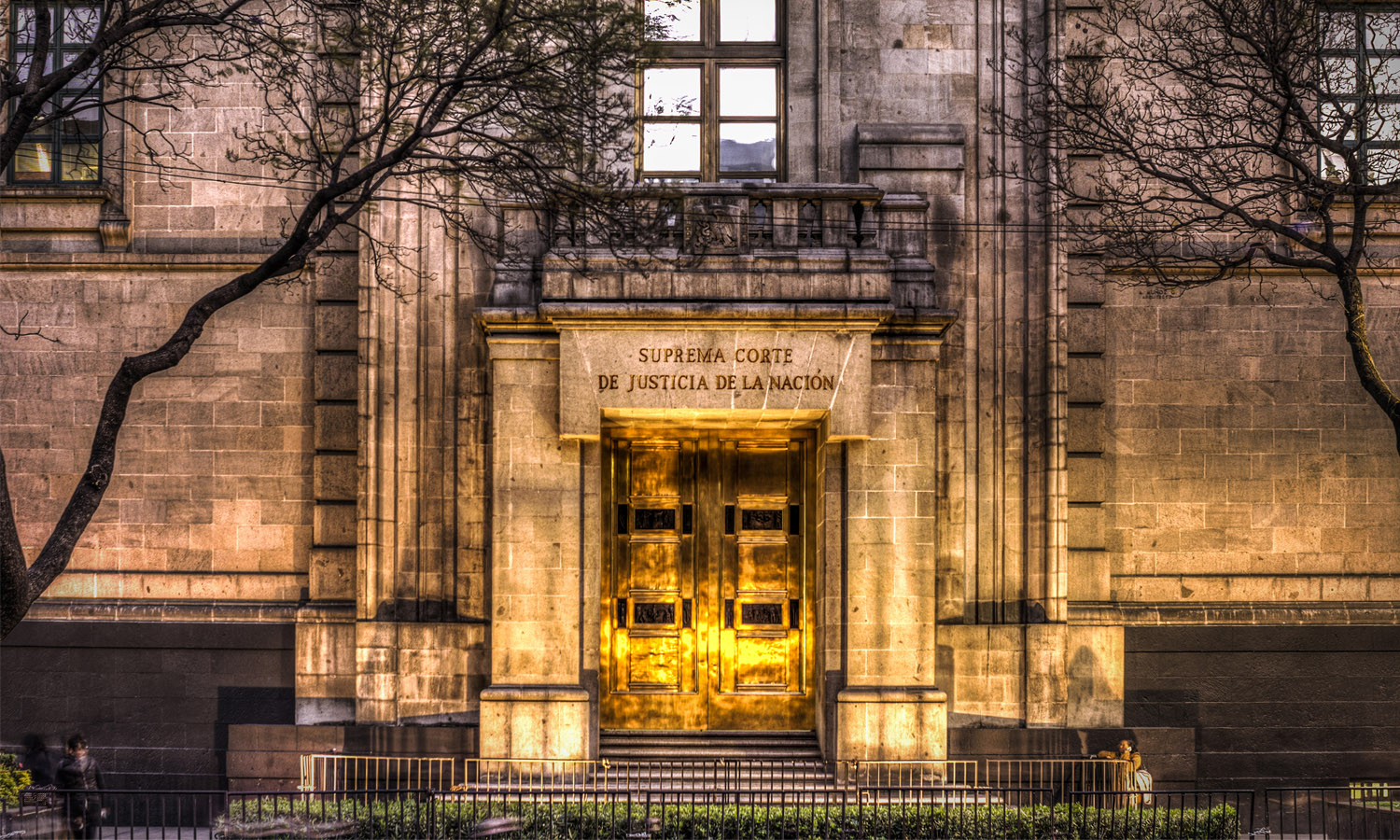
Mexico’s Supreme Court (SCJN) has ruled that the Financial Intelligence Unit (UIF) possesses the authority to freeze bank accounts immediately upon detecting signs of illicit financial activity. The decision, handed down on April 6, 2026, by a six-vote majority, bypasses the need for a prior judicial order.
The court validated Article 116 Bis 2 of the Credit Institutions Law, effectively granting the administrative agency unilateral power to place individuals on a blocked persons list. Previously, such measures often required requests from foreign authorities, but the new ruling allows the UIF to act based solely on information gathered by national agencies.
A shift in financial oversight
The SCJN characterized the measure as a preventive administrative action rather than a criminal penalty. According to the court, this policy is essential to protect the national financial system from money laundering and terrorism financing. By removing the requirement for foreign requests, the ruling aligns Mexico with international standards, such as the Palermo Convention and guidelines from the Financial Action Task Force.
While the government gains agility, the burden of proof shifts to the account holder. Once an account is frozen, the individual must navigate an administrative process to regain access to their funds. Affected users have five business days to request a hearing with the UIF, which then has ten days to issue a resolution.
Legal experts argue that this process leaves citizens in a precarious position. Attorney José Mario de la Garza noted in an interview with Aristegui Noticias that legal challenges, such as amparos, can drag on for months or years, leaving the owner without access to their capital during the litigation period.
Critics of the ruling point to the potential for government overreach. Minister Yasmín Esquivel cautioned that granting the UIF such power without judicial oversight risks arbitrary enforcement. Carlos Enrique Odriozola Mariscal, president of the Center Against Discrimination, argues that while fighting financial crime is necessary, the current framework lacks sufficient checks and balances.
“The problem is not fighting money laundering, but how to do it without affecting rights,” Odriozola stated in a recent analysis. The ruling marks a significant expansion of the state's capacity to intervene in private assets, prioritizing the speed of administrative action over traditional judicial safeguards.