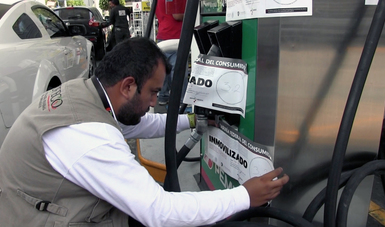
President Claudia Sheinbaum announced Monday that the Federal Consumer Protection Agency (Profeco) has launched a nationwide operation to audit gas stations and stop unjustified fuel price hikes. The government aims to maintain regular gasoline at 24 pesos per liter and diesel at 28.28 pesos, consistent with existing agreements with fuel distributors.
Sheinbaum stated that several regions have experienced unexplained price increases. She directed Profeco to conduct immediate reviews, specifically targeting stations that deviate from the agreed-upon rates.
Profeco head César Iván Escalante Ruiz confirmed that the agency is expanding its price monitoring efforts across the country. The initiative aims to detect abusive pricing and publicly name stations that sell fuel above levels deemed reasonable by the government.
Monitoring margins
The agency argues that because Pemex reference prices have remained stable, gas stations have no justification for raising costs. Profeco is shifting its focus toward profit margins rather than just final retail prices to identify predatory behavior.
Government data shows the national average for regular gasoline was 23.70 pesos per liter last week. This indicates the 24-peso target is achievable, as many stations already operate within that range.
Profeco highlighted a G500 station in Villahermosa, Tabasco, as a positive example after it priced fuel at 23.26 pesos per liter. Conversely, the agency flagged an Oxxogas station in Aguascalientes for selling regular gasoline at 24.99 pesos per liter, noting that its 2.85-peso profit margin per liter exceeds current reasonable standards.
To assist consumers, Profeco is promoting its digital map, which displays gas station prices in near real-time. The tool allows motorists to compare prices by zone and identify stations that comply with competitive pricing before filling up.
Fuel costs impact more than individual drivers; they influence transportation, logistics, and delivery expenses across the country. By utilizing public pressure and increased oversight, the government intends to ensure that fuel agreements remain a reality rather than a policy promise.