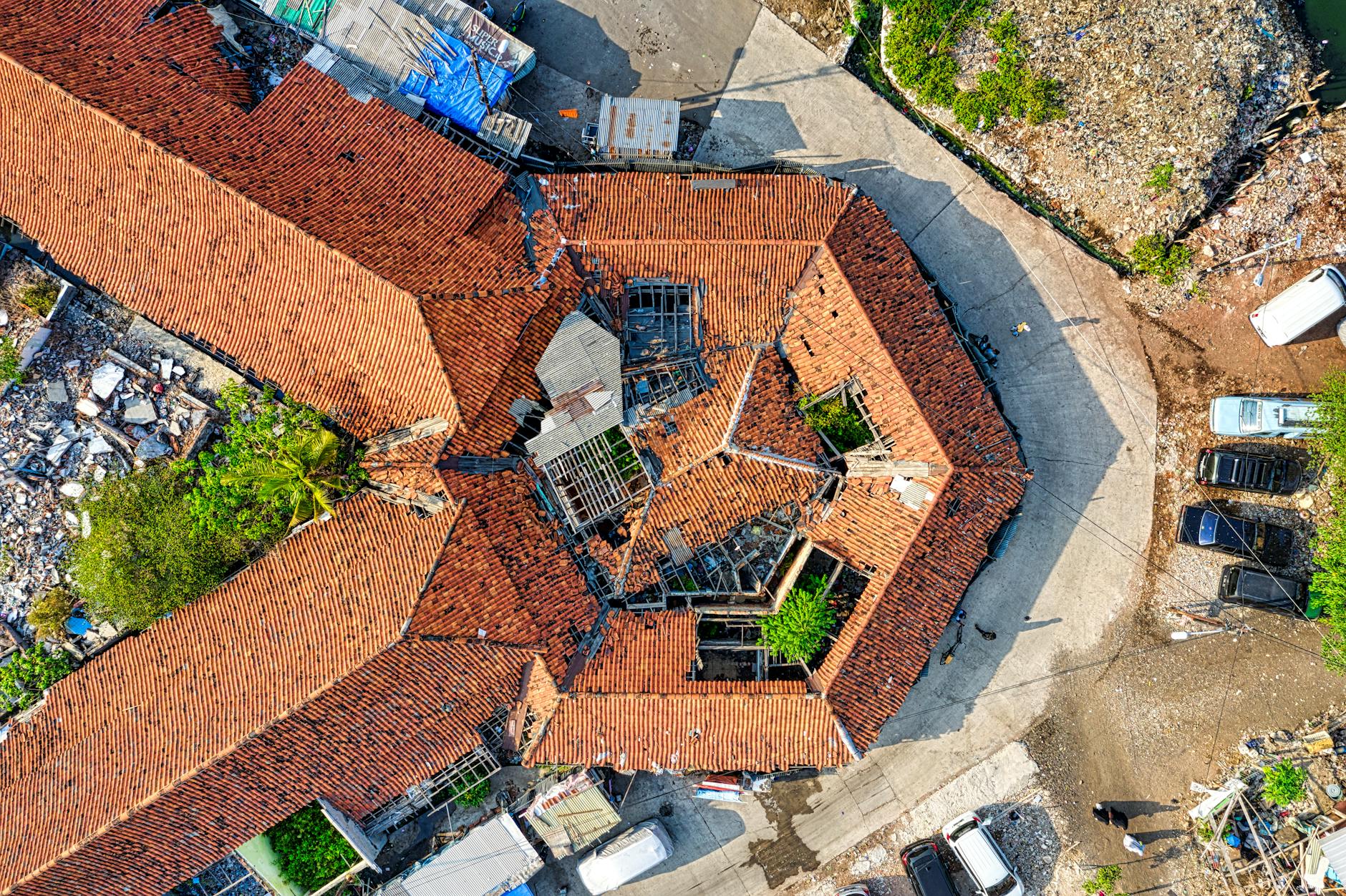
A 7.4-magnitude earthquake struck the Molucca Sea off Indonesia's Ternate island early Thursday, resulting in at least one death. The tremor occurred at 06:48 local time at a depth of 35km, prompting immediate evacuations in North Sulawesi and North Maluku. Indonesian authorities reported the fatality as a 70-year-old woman who died after being crushed by building debris.
Regional Impact and Infrastructure Damage
The quake caused significant disruption in the cities of Manado and Bitung on the island of Sulawesi. According to the national news agency Antara, residents reported power outages and structural failures in various commercial stores. Search and rescue teams in Manado documented bent metallic structures and debris at a local sports complex.
Medical facilities also faced emergency conditions during the event. At Siloam Hospital in Manado, staff and patients were forced to evacuate into makeshift treatment areas established in vehicles and open spaces. Witnesses described a chaotic scene as nurses and doctors hurried to secure patients in wheelchairs.
"The situation there was chaotic... The teachers immediately told parents to bring their children home," said Yayuk Oktiani, a resident of Bitung, to the BBC.
Tsunami Alerts and Seismic Risks
The Hawaii-based Pacific Tsunami Warning Center initially issued alerts for several nations, including Japan, the Philippines, Malaysia, Taiwan, and Papua New Guinea. The center warned that waves under 0.3m were possible along these coasts. Authorities lifted the tsunami alert after two hours when the immediate threat subsided.
Indonesia sits atop the "Ring of Fire," a region characterized by frequent tectonic activity and volcanic eruptions. While the area is accustomed to tremors, residents told the BBC that this event was among the strongest felt in six years. This magnitude highlights the persistent vulnerability of Indonesia's coastal infrastructure to high-intensity seismic events.
Aftershocks and Recovery Outlook
The national geological agency reported at least two aftershocks with magnitudes of 5.5 and 5.2 shortly after the main quake. Officials warned that further tremors are likely, which could further destabilize already damaged buildings. Recovery efforts are now focusing on assessing the full extent of structural damage in the North Maluku province.
Economic observers will monitor the impact on local trade and infrastructure in the Molucca Sea region. The event underscores the necessity for continued investment in seismic-resistant construction across the archipelago. Future government responses will likely focus on updating early warning systems to reduce panic during evacuation.