A Sharp Escalation in Judicial Action
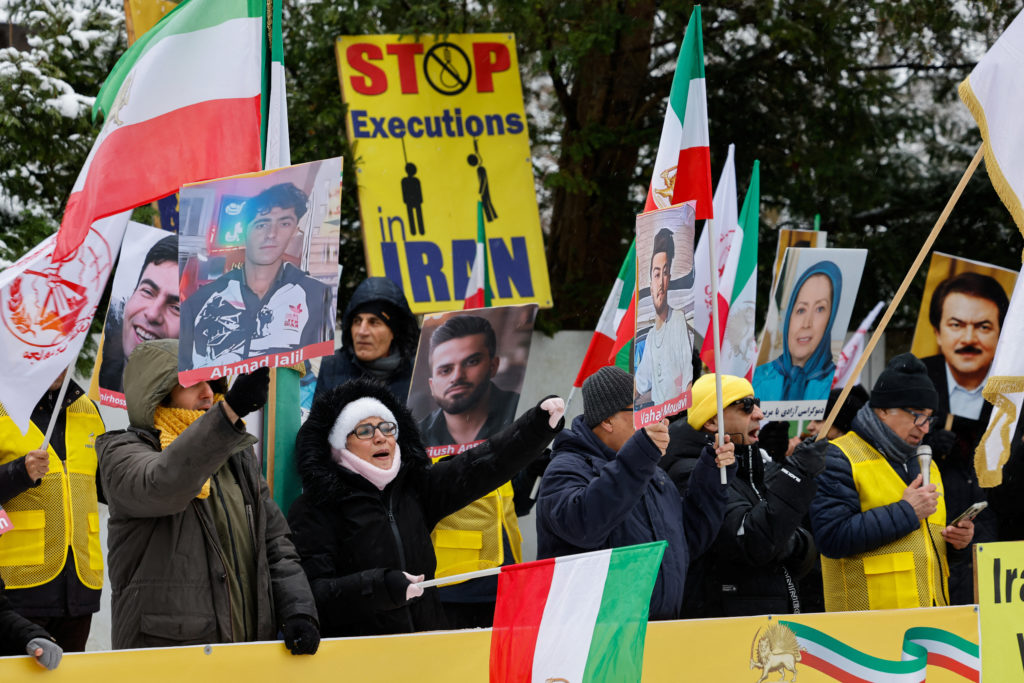
Tehran’s judiciary confirmed on Thursday that three individuals have been executed by hanging, marking a new phase in the state’s aggressive response to internal dissent. According to the judiciary’s official news portal, Mizan Online, the executed men were convicted for their roles in the civil unrest that gripped the nation this past January. The charges brought against them included the murder of two law enforcement officers and conducting operational activities on behalf of the United States and Israel.
This development comes as Iran enters its 20th day of a sprawling regional conflict. The executions are framed by the state as a necessary measure to maintain security against what officials describe as foreign-backed sabotage efforts intended to destabilize the theocratic establishment.
Disputed Figures on Civil Unrest
The narrative surrounding the casualties of the recent unrest remains a point of intense international contention. Iranian authorities maintain that 3,117 individuals lost their lives during the anti-establishment protests that ignited in late December. This official tally stands in stark contrast to reports from international observers and human rights organizations, who argue that state forces were the primary perpetrators of the violence.
Prior to the outbreak of the current war, the U.S.-based Human Rights Activists News Agency (HRANA) reported that it had verified 6,872 deaths, with thousands of additional cases under investigation. Furthermore, a United Nations special rapporteur has suggested that the true death toll could exceed 20,000, noting that the state’s rigorous internet censorship has significantly hindered the flow of accurate information.
Broadening the Net: Arrests and Allegations
The executions are part of a wider, systemic crackdown on those the government labels as "traitors" or foreign collaborators. Earlier this week, Swedish authorities confirmed that a Swedish citizen was executed by Iran, following reports that Tehran had carried out capital punishment against an individual accused of spying for Israel’s Mossad intelligence agency.
On Wednesday, the Ministry of Intelligence announced a nationwide security sweep, claiming to have dismantled 111 “pro-monarchy cells” across 26 of Iran’s 31 provinces. Authorities stated that these groups were planning operations against the government, which has been in power since the 1979 Islamic revolution toppled the U.S.-backed monarchy.
As the war continues, the Iranian government shows no signs of softening its stance. By linking domestic opposition to the geopolitical interests of the U.S. and Israel, Tehran is intensifying its security apparatus, signaling a period of heightened internal instability alongside the ongoing external military conflict.