A Humanitarian Response to Economic Hardship
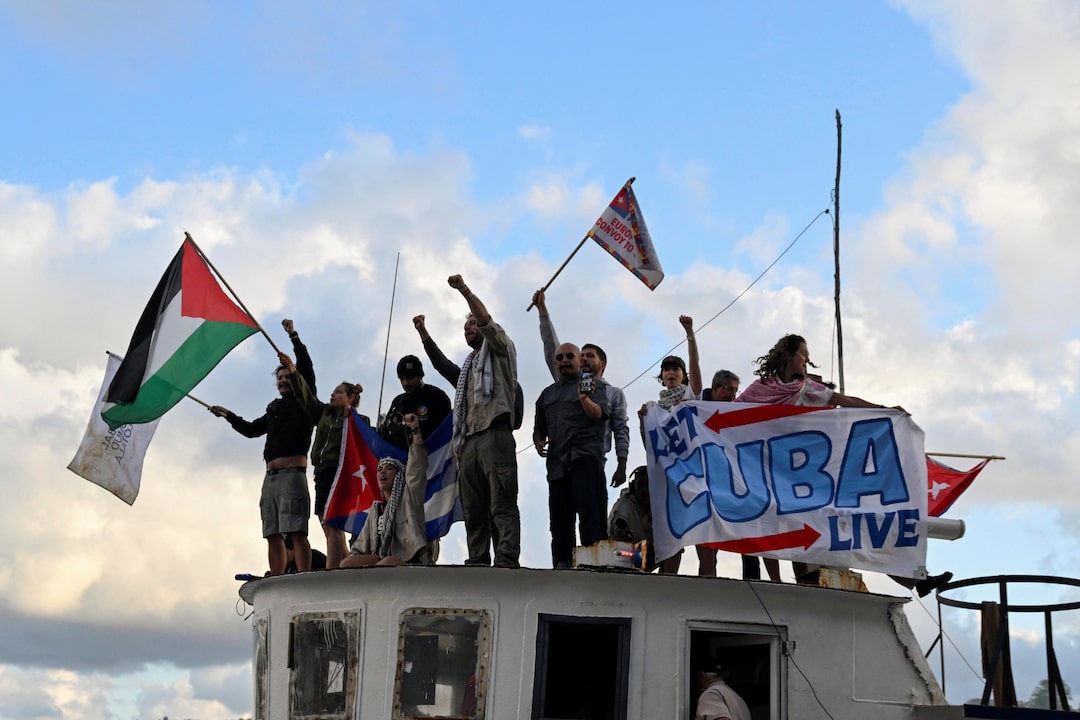
As Cuba grapples with its most significant economic crisis in three decades, a wave of international solidarity has reached the island’s shores. On Wednesday, a delegation of approximately 100 activists from Europe arrived at Havana’s airport, delivering five tons of critical medical supplies. The shipment, coordinated by the "Nuestra America" (Our America) initiative, is intended for immediate distribution to hospitals struggling to maintain services under the weight of severe resource shortages.
This delivery marks the beginning of a larger humanitarian effort. Organizers have announced plans to transport a total of 20 tons of aid to the nation of 9.6 million people, utilizing both air and sea routes to bypass the logistical hurdles currently paralyzing the country.
The Impact of the Energy Blockade
The humanitarian crisis in Cuba has been severely exacerbated by a recent shift in regional geopolitics. Following the ousting of Venezuelan President Nicolas Maduro in January, the subsequent suspension of oil shipments from Caracas has left Cuba's power grid in a state of collapse. This loss of fuel, compounded by a long-standing U.S. energy blockade, has resulted in widespread and prolonged electricity blackouts across the island.
U.S. President Donald Trump has issued stern warnings, threatening retaliatory measures against any nation that attempts to provide oil or energy support to the Caribbean island. These policies have effectively isolated the nation, forcing the Cuban government to vow what it calls "unbreakable resistance" against external pressure as it works to stabilize its energy network.
Global Solidarity Movements
The international response to the crisis extends beyond European borders. According to official Cuban media, a convoy departed from Chile on Wednesday carrying additional food, medicine, and supplies. Furthermore, the pacifist organization CODEPINK is coordinating a mission from Miami, Florida, where 140 volunteers—including medical professionals, labor leaders, and legal experts—are scheduled to transport nearly three tons of medical aid to Cuban clinics.
To highlight the gravity of the situation, a series of solidarity events are planned along the Havana waterfront. Notable figures expected to participate include former Spanish politician Pablo Iglesias, Brazilian climate activist Thiago Avila, and British Parliamentarian Jeremy Corbyn. The presence of these international figures serves to draw global attention to the humanitarian consequences of the six-decade-old U.S. blockade.
Looking Ahead
As a flotilla from Mexico prepares to arrive in Havana by the end of the week, the focus remains on the immediate survival of the local healthcare infrastructure. While the aid delivered by these activists provides a temporary reprieve for hospitals, the broader economic and energy challenges facing Cuba remain unresolved. The ongoing efforts by these diverse groups underscore a growing international debate regarding the impact of U.S. foreign policy on the daily lives of the Cuban population.