A Strategic Blow to Global Energy
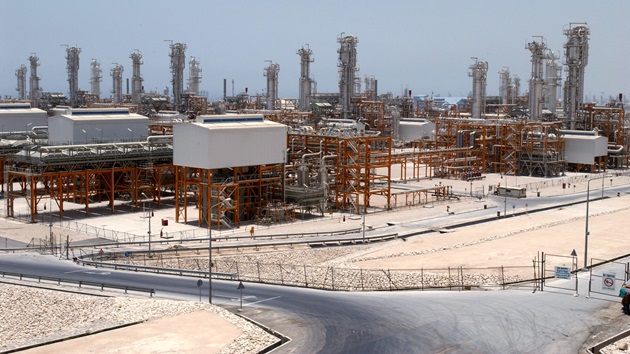
Global energy markets are reeling following a major attack on the South Pars gas field, the world’s largest known natural gas reserve. The assault, which targeted petrochemical and gas processing facilities in and around the Asaluyeh region of Iran’s Bushehr province, has sparked immediate concern regarding the stability of international supply chains. As the backbone of both Iranian domestic consumption and Qatari liquefied natural gas (LNG) exports, any disruption to this massive reservoir threatens to have far-reaching economic consequences.
While Iranian state media and the semi-official Tasnim News Agency confirmed that multiple sections of the field were struck, the full extent of the damage remains unclear. Initial reports indicate smoke billowing from critical infrastructure, though official casualty figures and detailed assessments have yet to be disclosed by Tehran.
Geopolitical Tensions and Attribution
The attack occurs against a backdrop of escalating regional hostility. While no state has officially claimed responsibility, speculation is mounting regarding the involvement of Israel, potentially in coordination with the United States. Sources cited by The Jerusalem Post and Reuters suggest that the strike may be part of a broader strategic campaign targeting Iranian energy and military assets.
Tehran has stopped short of issuing a formal accusation against any specific nation, instead framing the incident as a manifestation of broader regional instability. The lack of clarity has only intensified market anxiety, as traders attempt to calculate the risk of further, more widespread conflict in the Middle East.
Market Reaction: Prices Surge
Financial markets responded with immediate volatility. Following the news, WTI crude oil climbed to $98.16, marking a 2.75% increase, while Brent crude saw a sharper rise of nearly 5%, reaching $104.34. Natural gas prices also trended upward, rising 1.32% to $3.07.
Analysts note that the steeper rise in oil prices suggests that markets are currently reacting primarily to the geopolitical risk premium. However, the sustained increase in natural gas prices confirms that traders are actively pricing in the potential for long-term supply chain bottlenecks. Should the damage to the South Pars infrastructure prove extensive, the global LNG market—already under significant pressure—could face a severe supply crunch.
International Response
The strategic importance of the South Pars field, which is shared between Iran and Qatar (where it is known as the North Field), has drawn condemnation from regional players. A spokesperson for the Qatari Foreign Ministry labeled the strike a “dangerous and irresponsible step,” highlighting the potential for the incident to destabilize not only energy production but the broader security landscape of the Persian Gulf.
As global energy experts continue to monitor the situation, the primary concern remains the vulnerability of critical infrastructure in conflict zones. With the world’s largest gas reserve now effectively a theater of war, the international community faces the prospect of prolonged market volatility and a potential shift in the global energy balance if the conflict continues to escalate.