A Disappointing Trajectory
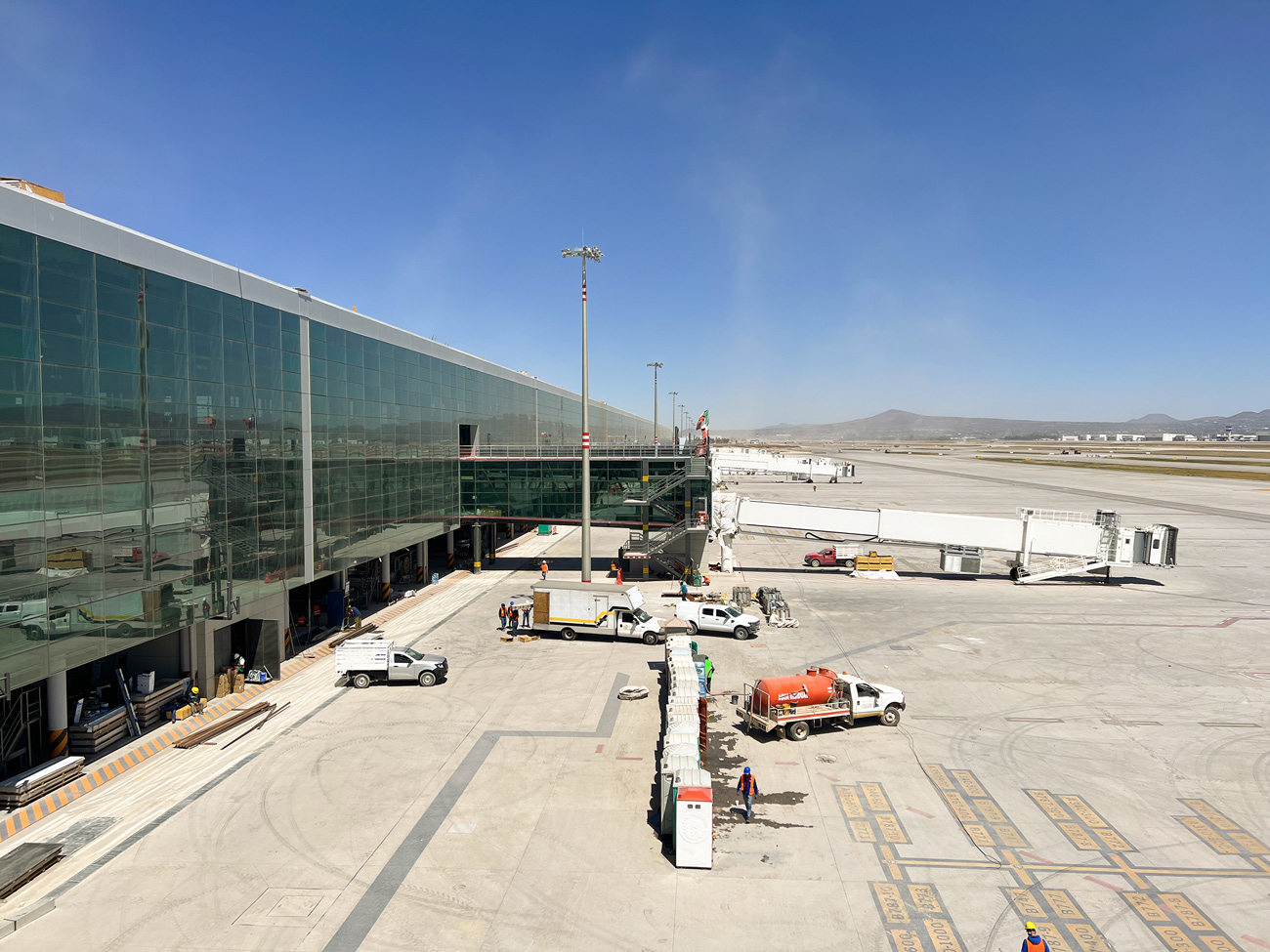
Four years after its grand opening, the Felipe Ángeles International Airport (AIFA) finds itself at the center of a growing debate regarding its efficacy and long-term viability. Recent reports indicate that the facility is operating with approximately 13 million fewer passengers than initially projected, casting a shadow over the government’s ambitious expectations for the hub.
Critics of the project, including the director of the National Institute for Research on Infrastructure and Justice (INIJA), have been vocal about the facility's shortcomings. Characterizing the airport as a "military base with civilian operations built on a whim," detractors argue that the terminal has failed to serve its primary intended purpose: reducing the chronic saturation of the Mexico City International Airport (AICM).
Structural and Logistical Challenges
Beyond the raw passenger numbers, the airport faces persistent criticism regarding its integration into the national aviation system. Industry observers have pointed to a fundamental lack of both aerial and terrestrial connectivity as a primary barrier to growth. For many travelers and logistics companies, the distance and difficulty of accessing the airport remain significant deterrents, preventing it from functioning as a true cornerstone of Mexican aviation infrastructure.
While the government originally envisioned the AIFA as a critical solution to the capacity crisis in the capital, the reality on the ground suggests that the airport has yet to gain the traction necessary to become a key player. The persistent gap between projected and actual traffic figures highlights the difficulties of diverting established passenger flows to a new, more isolated location.
Future Outlook
As the airport moves past its fourth anniversary, the conversation in the aviation sector is shifting from initial optimism to a more critical assessment of its operational sustainability. The failure to meet passenger targets has fueled concerns that the facility may remain underutilized for the foreseeable future unless significant improvements are made to its connectivity and service offerings.
For now, the AIFA remains a polarizing project. While proponents may point to its status as a modern facility, the data suggests that it has yet to prove its worth as a strategic asset for the nation’s transportation network. Whether the airport can bridge the 13-million-passenger deficit remains an open question, one that will likely depend on future infrastructure investments and a fundamental shift in how the facility is integrated into the broader regional strategy.