A Decade and a Half of Seeking Truth
On March 18, 2026, families of the disappeared gathered to hold a solemn commemorative ceremony marking the 15th anniversary of the Allende Massacre. The event served as both a tribute to the victims and a stark reminder that, despite the passage of time, the quest for justice remains an unfinished struggle for the people of Coahuila, Mexico.
The massacre, which began on March 18, 2011, remains one of the most harrowing chapters in the history of organized crime-related violence in the region. For years, survivors and relatives of the victims have navigated a complex legal and social landscape, consistently urging authorities to provide clarity, closure, and accountability for the atrocities committed during those dark days.
The Lingering Echoes of 2011
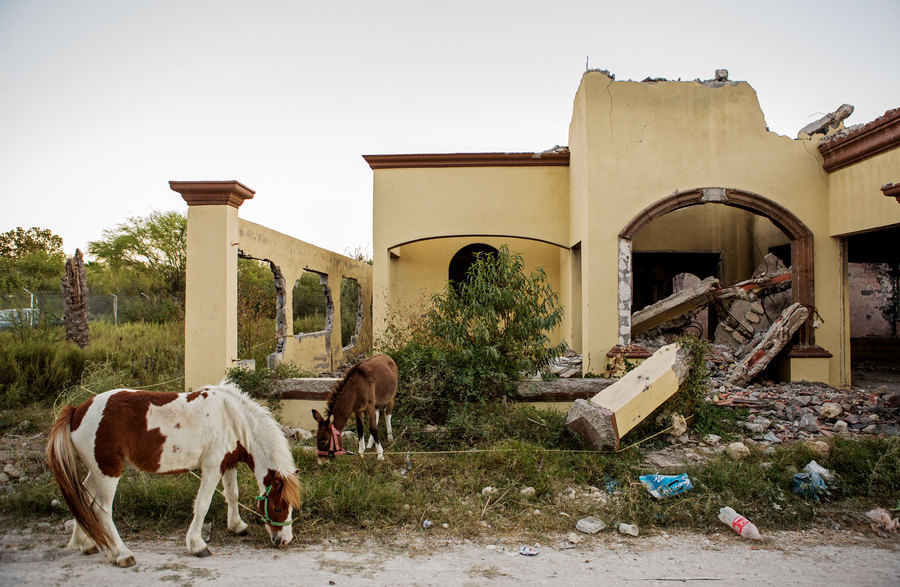
The events of 2011 left an indelible scar on the town of Allende. As the families gathered this week, the air was heavy with the weight of memory. For those present, the anniversary is not merely a date on the calendar but a recurring demand for the state to acknowledge the full extent of the tragedy and to prosecute those responsible for the disappearances and systemic violence that occurred.
Advocacy groups and family collectives have maintained a persistent presence in the public sphere, often highlighting the gaps in the official narratives surrounding the massacre. Their continued efforts underscore a broader national crisis regarding forced disappearances in Mexico, where families often find themselves leading the investigations into their own loved ones' fates.
A Call for Systemic Change
The ceremony in Allende coincides with ongoing national discussions regarding the country’s handling of missing persons cases. International organizations and civil society groups, such as Article 19, have recently called on the Mexican government to foster an open dialogue regarding the national crisis of disappearances. These advocates argue that the anniversary of events like the Allende Massacre should serve as a catalyst for changing the state’s approach to victim support and forensic investigation.
As the families concluded their ceremony, the message remained clear: the passage of 15 years has not diminished their resolve. They continue to call for a comprehensive judicial process that transcends symbolic gestures, seeking instead the concrete identification of victims and the sentencing of the perpetrators who orchestrated the violence in 2011. For the community of Allende, the path toward healing is inextricably linked to the achievement of justice.