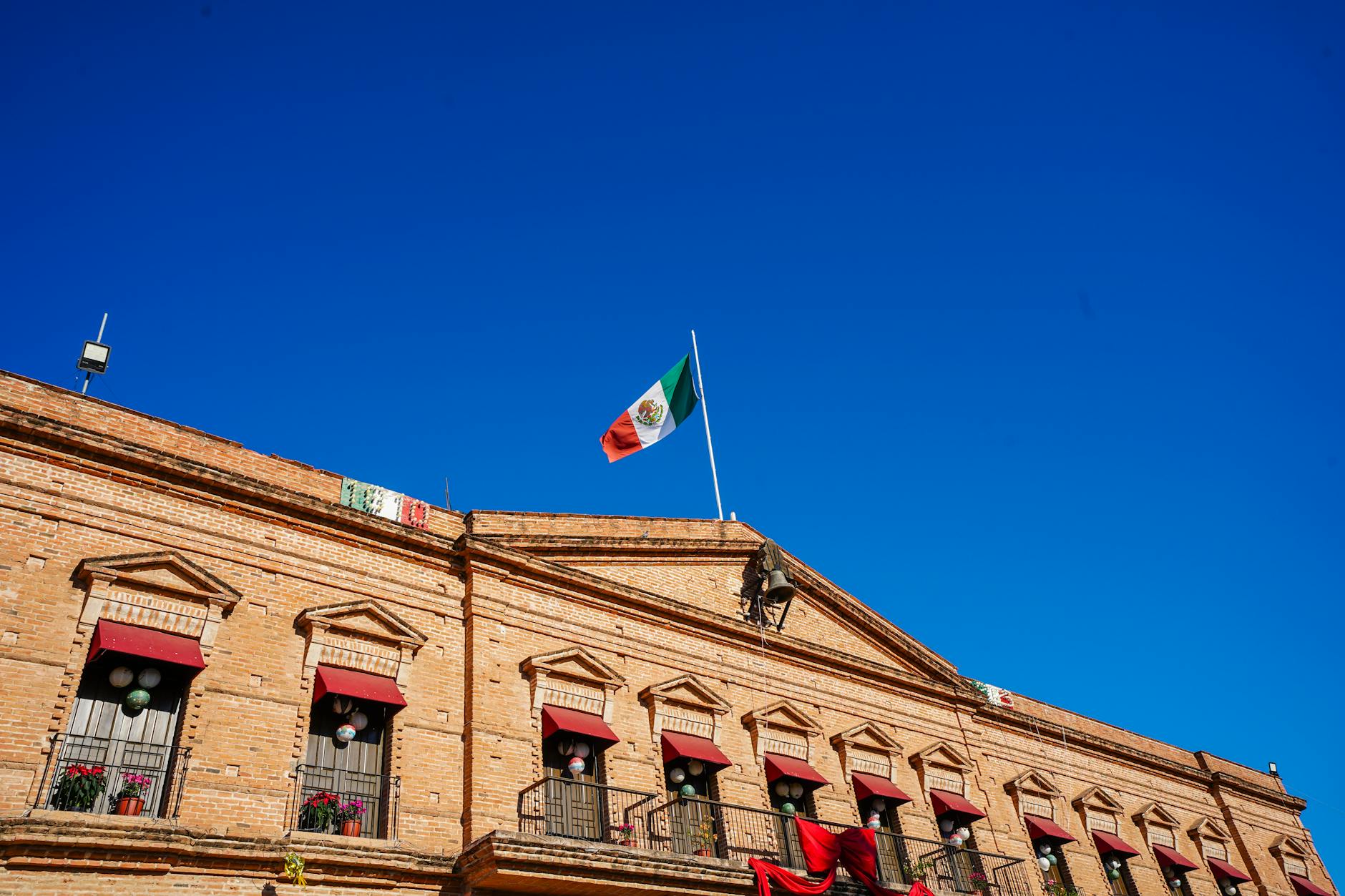
The United States has filed extradition requests for ten individuals linked to Sinaloa's criminal networks, highlighting a crisis of control within President Claudia Sheinbaum's administration, according to elfinanciero.com.mx.
Washington's request includes sitting governor Rubén Rocha and nine other officials or associates. The news has triggered a crisis of governance and political narrative within the state of Sinaloa.
Governor Rocha, currently on leave, has used his position to declare his innocence, claiming that President Sheinbaum has provided him with the necessary reasons to maintain peace. However, reports indicate that the President has struggled to assert authority over those implicated in the case.
Insecurity and Power Vacuum
The political landscape in Sinaloa has grown increasingly complex following Rocha's leave of absence, leaving leadership in the hands of a figure without their own political track record. According to elfinanciero.com.mx, the acting governor lacks autonomy and remains dependent on the very leaders being targeted by the U.S. justice system.
Simultaneously, violence in the state has surged. Adrián López, director of Noroeste, reported 44 violent deaths last week, representing a 38% increase compared to the previous week.
The presence of military forces has failed to curb the attacks. Recently, a criminal group set fire to a casino, resulting in the death of a woman in an incident that evokes the memory of the Casino Royale tragedy in Monterrey.
This lack of institutional control is also evident in the continued presence of key figures in power. Dámaso Castro, one of the ten individuals named by a Federal Court in New York, continues to serve in his role as the state's deputy attorney general.
The outlook in Sinaloa shows an upward trend in homicides, with 19 deaths recorded in the first three days of May alone. Federal security deployments have so far failed to contain clashes in areas such as the Tres Ríos sector.