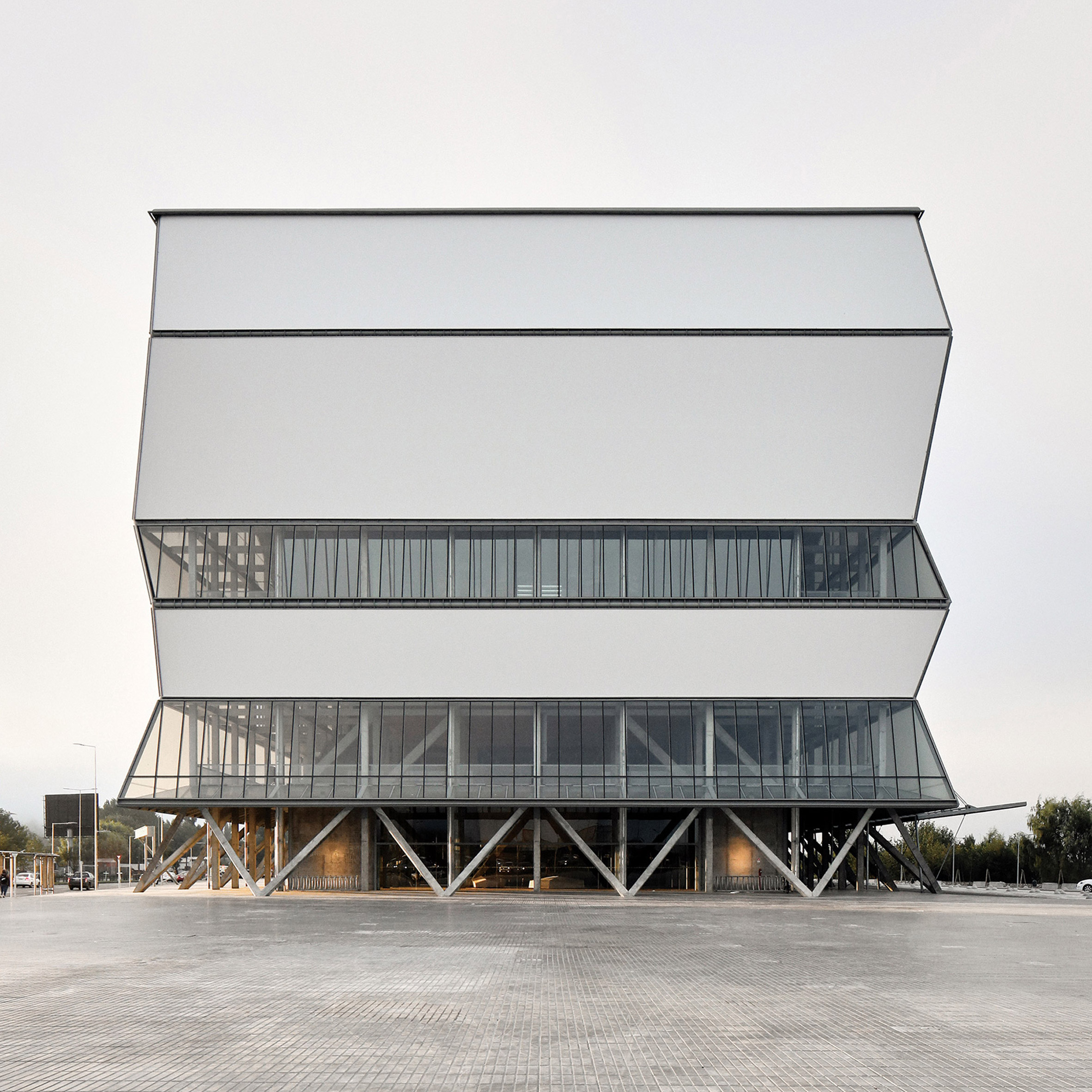
A Global Recognition of Architectural Poetics
In a landmark moment for the global architectural community, Chilean architect Smiljan Radić was announced as the winner of the 2026 Pritzker Architecture Prize last week. Often referred to as the 'Nobel of Architecture,' the award recognizes living architects whose work demonstrates a rare combination of talent, vision, and a commitment to the human experience through the built environment.
The Pritzker jury lauded Radić for his unique ability to navigate the intersection of material experimentation, cultural memory, and uncertainty. His work, which spans from private residences and public cultural centers to temporary installations, is characterized by a deliberate, almost poetic sense of fragility. Whether through the bold structures of the VIK Winery or the ethereal design of the 2014 Serpentine Gallery Pavilion in London, Radić has consistently prioritized an architecture that feels unforced and deeply connected to its landscape.
Reframing the Human Condition
Beyond the technical mastery of his projects, the Pritzker jury highlighted a profound philosophical dimension to Radić’s portfolio. The committee noted that his work serves as a reminder that architecture is, at its core, an art form that speaks to the essence of human existence. In an era often dominated by 'noisy' or overly spectacular designs, Radić’s approach offers a quiet refuge, proving that relevance does not require grandiosity.
His influence extends well beyond his built works; through his involvement with the Foundation of Fragile Architecture, he has championed the study and dissemination of experimental approaches, ensuring that the next generation of architects continues to challenge the boundaries of the field.
A Milestone for Latin American Architecture
This award is a significant milestone for Chile, marking the second time a national has received the honor in less than a decade—Alejandro Aravena was the first in 2016. In the 47-year history of the Pritzker Prize, only five Latin American architects have been recognized, including legends such as Luis Barragán, Óscar Niemeyer, and Paulo Mendes da Rocha. This latest accolade solidifies Chile’s position as a burgeoning hub for architectural innovation on the world stage.
The Path Forward
Despite the celebration, the award serves as a moment of reflection for the local industry. Radić himself has previously noted a perceived lack of a cohesive architectural vocation within Chile's urban planning. As the nation celebrates this international triumph, experts suggest the focus must now shift toward systemic improvements in investment, urban planning, and the conservation of architectural heritage.
Rather than relying solely on the individual brilliance of stars like Radić, the country faces a broader challenge: to integrate high-quality, thoughtful design into the fabric of its cities. As Radić’s career demonstrates, the most impactful architecture is that which respects its environment while providing a serene, meaningful space for those who inhabit it.