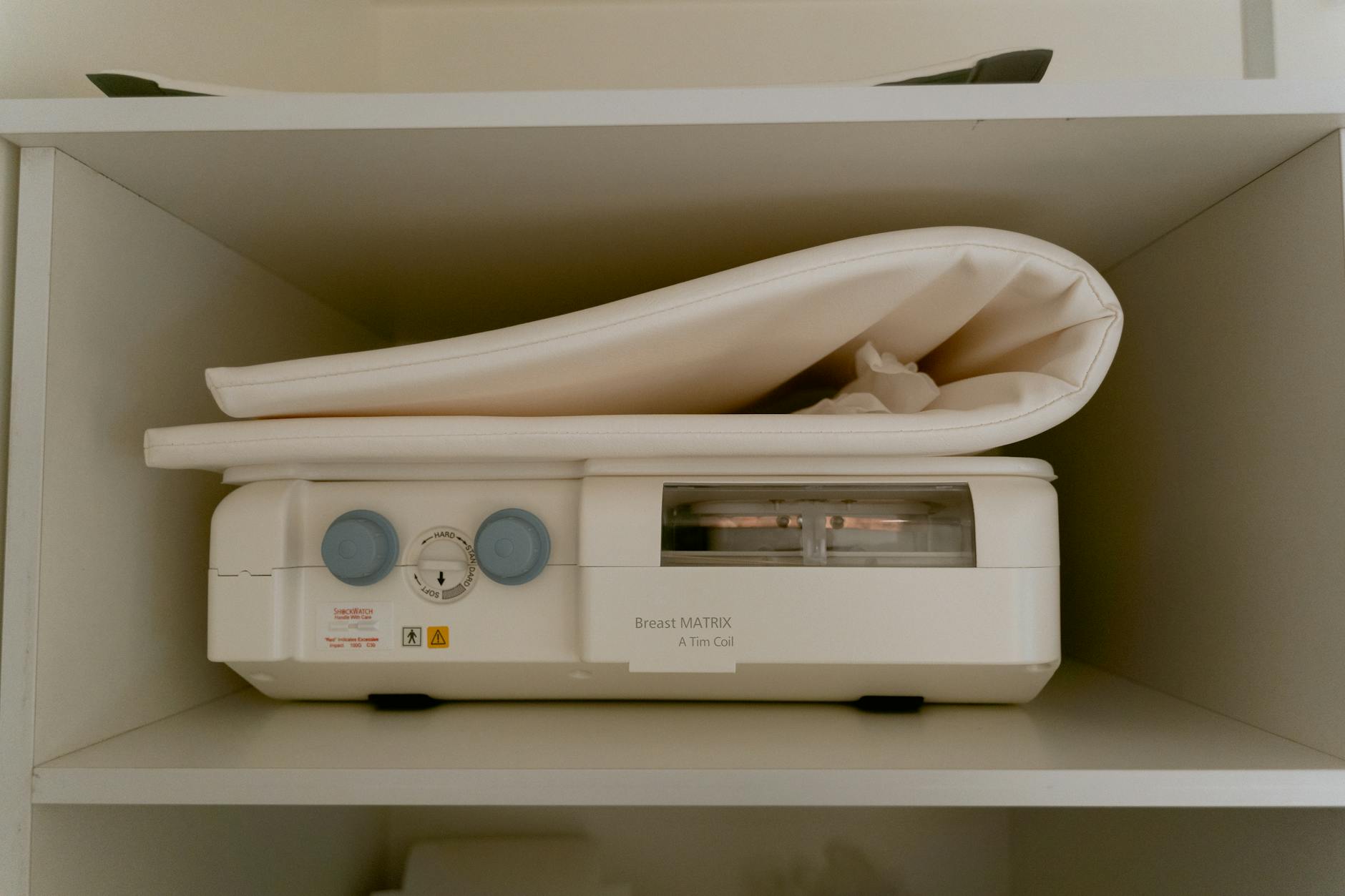
Expanding Access to Preventive Healthcare
The Benito Juárez borough has officially launched the "Integral Women's Health" (Salud Integral para la Mujer BJ) program, a targeted health initiative aimed at improving medical access for the local female population. The campaign, which runs from March 18 through March 28, 2026, focuses on the critical importance of early detection in women’s health by providing free mammograms to residents.
Program Logistics and Capacity
To ensure the initiative reaches as many residents as possible, the local government has established a structured schedule for the screenings. According to official reports, the program is designed to accommodate a total of 560 women throughout the ten-day period.
Operational logistics are set to facilitate high-volume care, with the capacity to conduct up to 70 examinations daily from Monday through Friday. Recognizing the need for accessibility for working women and those with weekday constraints, the program also includes Saturday sessions, which will accommodate 35 screenings per day. This tiered approach is intended to maximize participation and streamline the diagnostic process for all attendees.
A Commitment to Public Health
By providing these services at no cost, the Benito Juárez administration is addressing systemic barriers to healthcare, such as financial constraints and the high demand for specialized diagnostic equipment. Mammography remains the gold standard for the early detection of breast cancer, and initiatives like this are vital for lowering mortality rates through timely intervention.
As the borough continues to prioritize the well-being of its citizens, this program serves as a cornerstone of their broader public health agenda. Residents are encouraged to take advantage of these services during the specified window to ensure their health is monitored by qualified medical professionals.
This initiative reflects a growing trend in metropolitan governance to bring essential diagnostic services directly into the community, reducing the burden on centralized hospital systems and fostering a culture of preventative wellness.