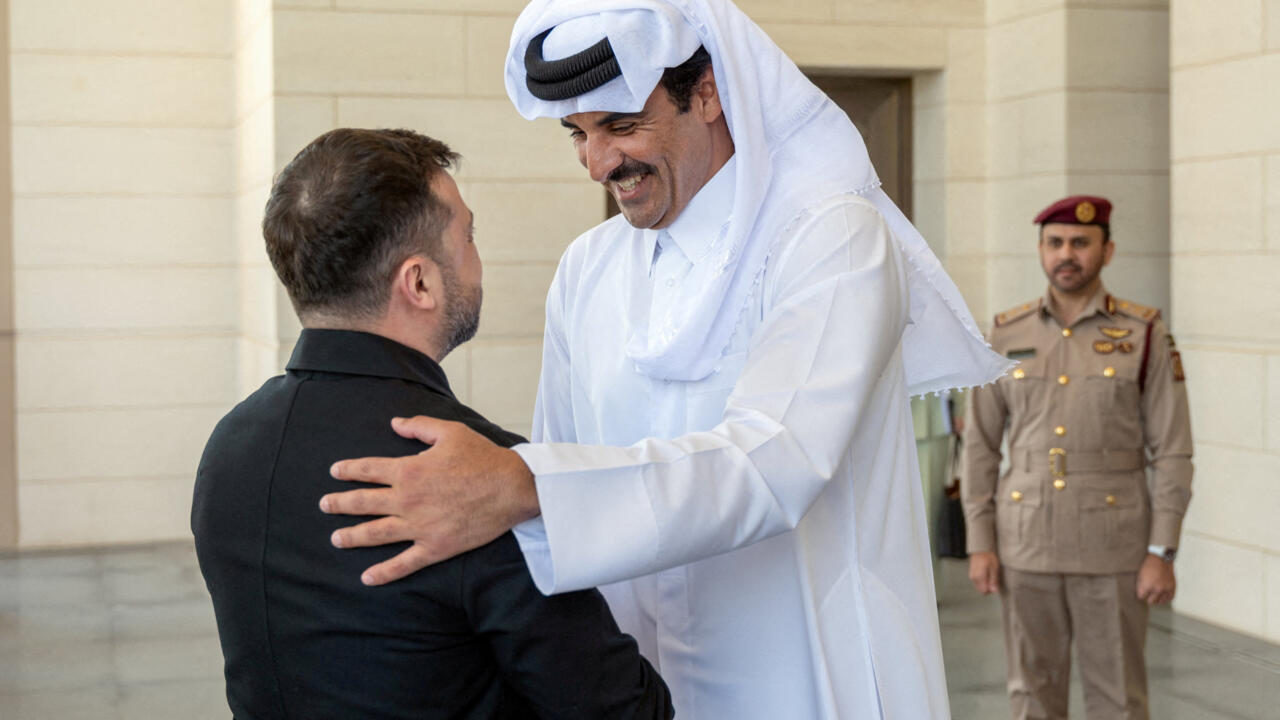
Ukrainian President Volodymyr Zelensky announced on Monday that Kyiv signed historic defense agreements with Gulf nations last week. The Ukrainian leader confirmed talks with Qatar, Saudi Arabia, and the United Arab Emirates during a recent diplomatic visit. These pacts aim to strengthen military cooperation and address shared security threats in the Middle East region.
Strategic Defense Cooperation
The agreements reportedly involve a ten-year framework for strategic cooperation in military technology. Kyiv seeks to leverage its combat experience against Russian drones to assist Gulf allies facing Iranian attacks. Officials in Riyadh and Doha have expressed concern over the proliferation of Shahed drones targeting their energy infrastructure.
Ukraine has proposed a direct exchange of drone interceptors for expensive air defense missiles currently used by the Gulf states. This swap would allow Ukraine to access advanced weaponry while providing the Middle East nations with proven interception tactics. The contents of the specific deals remain undisclosed to the public according to initial reports.
Energy and Geopolitical Pressures
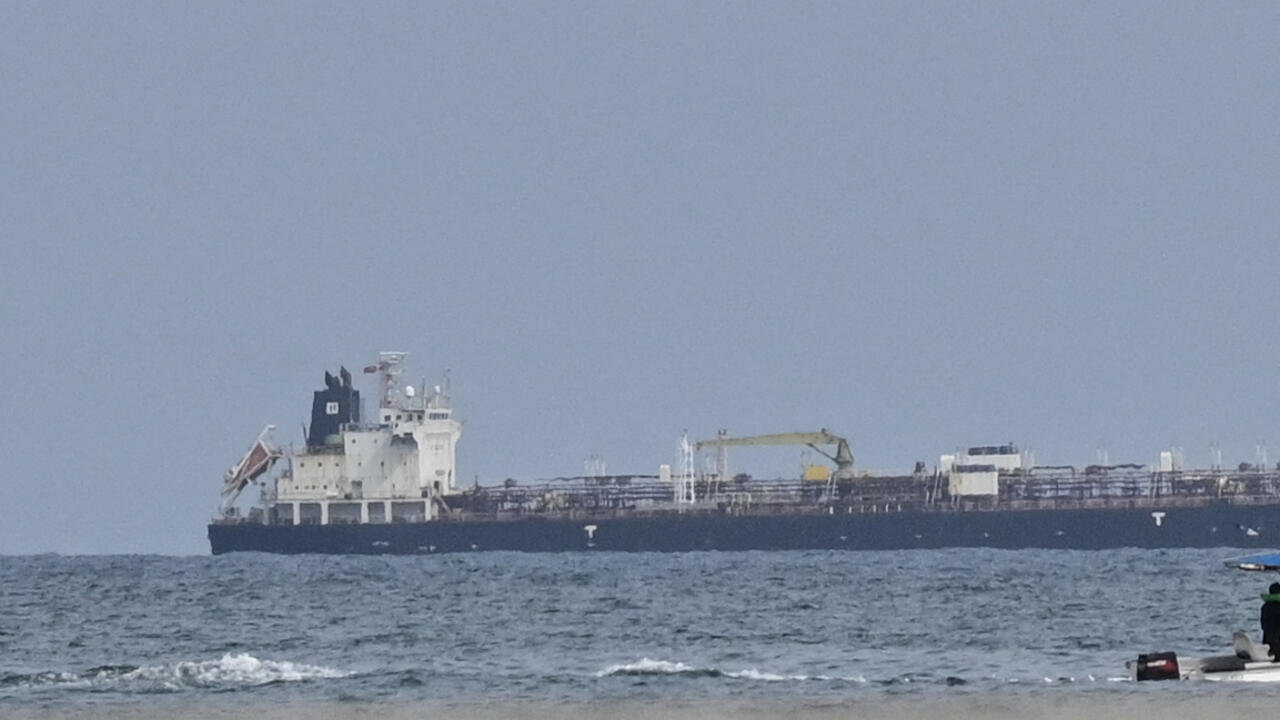
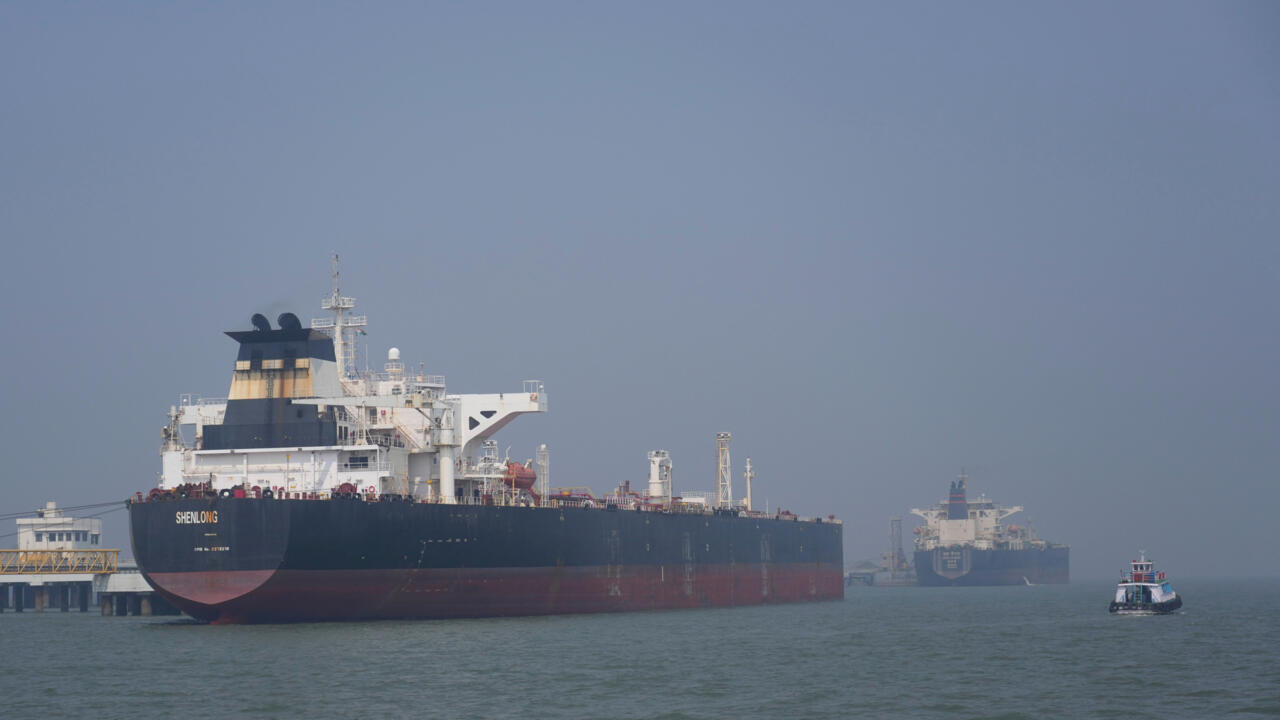
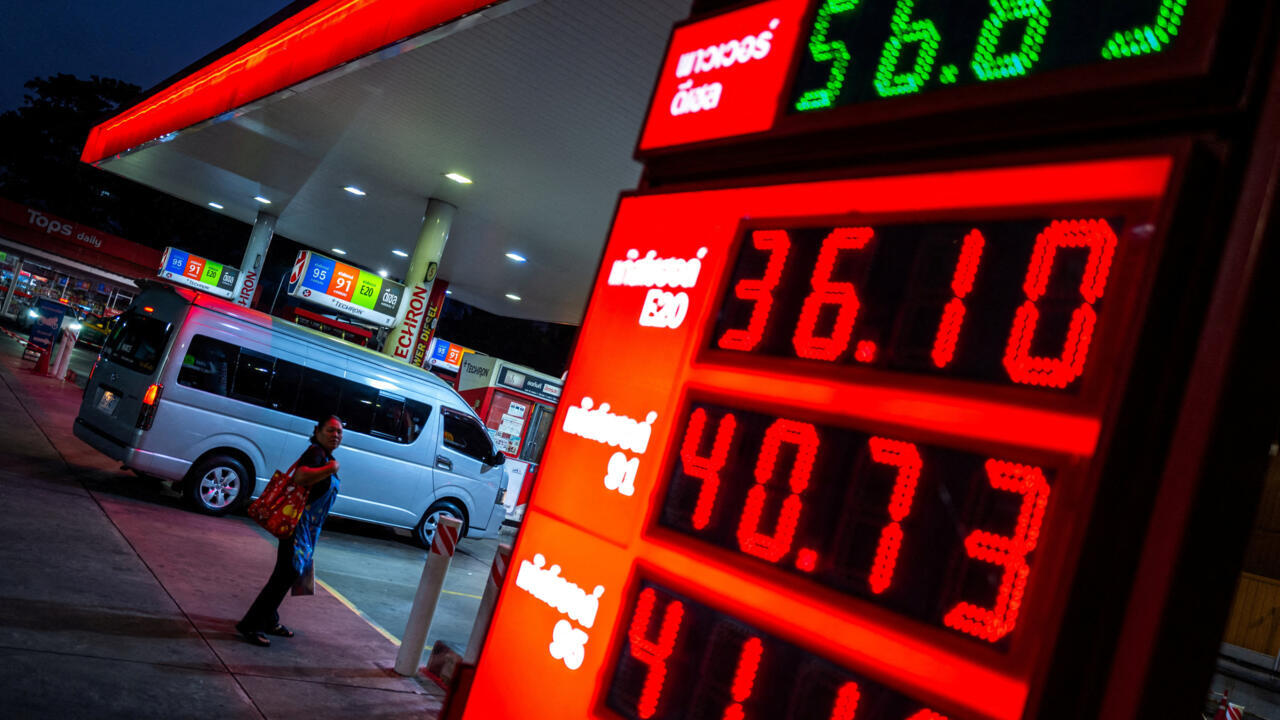
Global energy prices surged this week following intensified tensions between the United States and Iran. Zelensky noted that allies recently signaled a potential scaling back of long-range strikes on Russian oil sectors. Kyiv understands the pressure on international markets as supplies tighten due to regional instability.
"We are reaching understanding on strategic cooperation in the military technology area and in other areas. We are talking about 10-year agreements," Zelensky told reporters.
The President stated that Kyiv is ready to reciprocate regarding energy infrastructure attacks if Russia halts its own strikes. He mentioned openness to an Easter ceasefire proposal to stabilize the front lines temporarily. This diplomatic flexibility aligns with broader efforts to manage global economic stability during the conflict.
During the weekend, Zelensky secured a deal for diesel deliveries to Ukraine for a full year. Diesel remains vital for the functioning of the Ukrainian armed forces and the agricultural sector. The deal reportedly came from unnamed countries during the Middle East visit without further details provided.
These developments mark a significant shift in Ukraine's diplomatic reach beyond traditional Western partners. Establishing ties with Gulf states diversifies Kyiv's supply chain and reduces reliance on European energy imports. The move also signals a broader geopolitical realignment as Middle Eastern powers engage more deeply with Eastern European security. This partnership could reshape regional alliances and influence future arms procurement strategies globally.
Market analysts watch closely for how these agreements might influence long-term oil pricing dynamics. Continued instability in the Persian Gulf could exacerbate inflationary pressures worldwide if supply chains remain disrupted. The outcome of these negotiations will likely impact global security architecture for the coming decade. Investors remain wary of potential supply shocks affecting key industrial commodities in the near future.
Observers will monitor whether the proposed exchange of military technology leads to tangible shifts in the battlefield. The success of these partnerships could redefine how conflict resolution is approached in energy-dependent regions. Future reports will clarify the extent of the missile technology transfer and its strategic value. International security experts suggest this cooperation may set a precedent for other conflict zones seeking diverse military support.