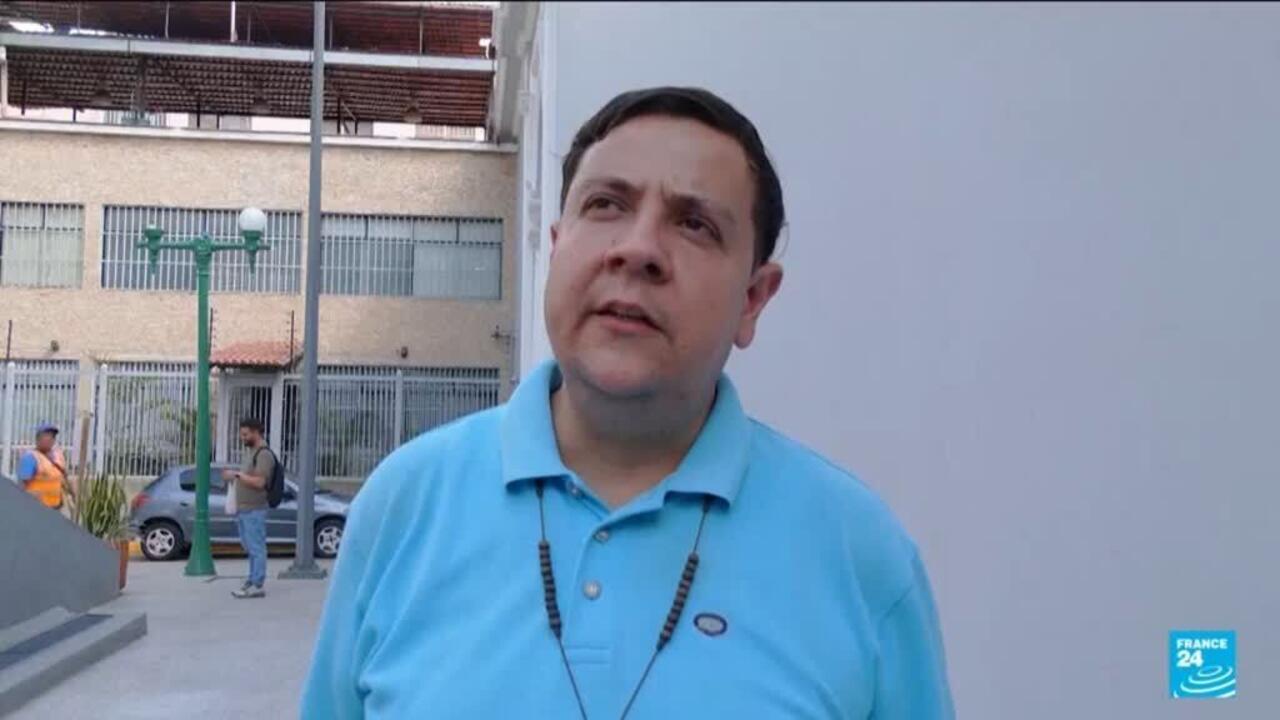
Venezuelan human rights activist Javier Tarazona was released from prison in Caracas following more than four years of detention, according to reports issued on February second. This development follows a government decision to grant amnesty to a number of political prisoners.
Tarazona’s release reportedly coincided with heightened international scrutiny, specifically following recent diplomatic actions related to the status of Nicolás Maduro’s administration. Sources suggest that Washington's sustained pressure influenced the timing of these humanitarian measures.
While dozens of other detainees have benefited from this amnesty initiative, rights organizations estimate that hundreds of political prisoners remain incarcerated across Venezuela. The scope and permanence of this release program are currently under close observation by international monitoring bodies.
Tarazona, known for documenting state abuses, was initially detained in 2022, facing charges that human rights groups consistently labeled as politically motivated. His prolonged incarceration served as a focal point for international condemnation against the Venezuelan government’s judicial practices.
This event underscores the delicate balance of geopolitical maneuvering currently shaping internal Venezuelan politics. The administration appears responsive to external demands when coupled with internal political restructuring.
Global economic actors are scrutinizing these political concessions for indicators of potential shifts in the nation's stability profile. Any sustained easing of internal repression could influence future foreign investment decisions in the energy sector.
Observers note that while this specific release is a positive step, sustained commitment to the rule of law will determine the long-term impact on bilateral relations and multilateral economic engagement with Caracas.