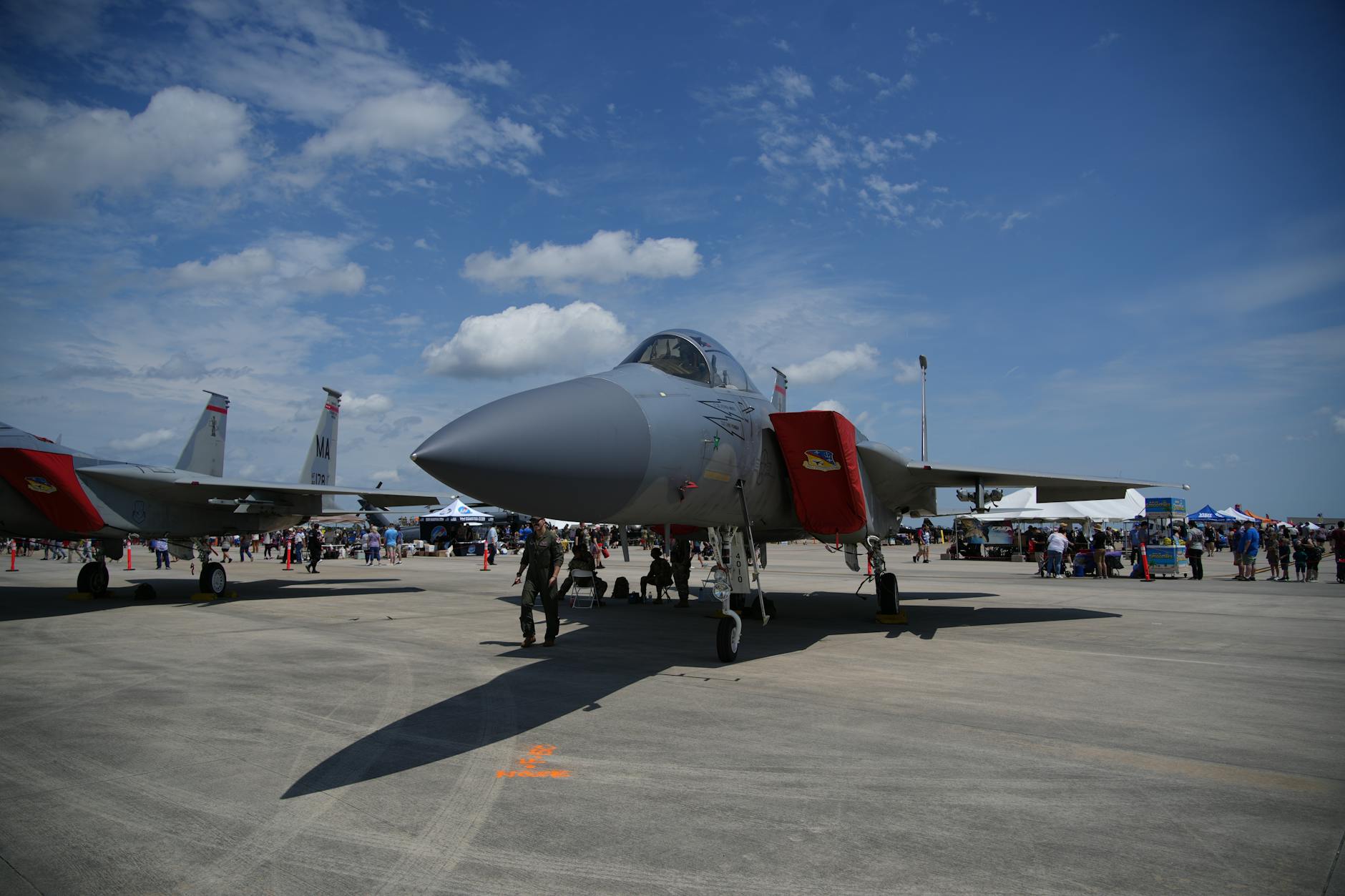
President Donald Trump announced Sunday that US special forces successfully rescued an American airman whose F-15E fighter jet crashed in the Kohgiluyeh and Boyer-Ahmad province of Iran last Friday. The airman, identified by the President as a weapons system operator, survived the ejection and managed to evade capture in the rugged terrain for several days.
While the White House celebrated the recovery, Iranian state media and the Islamic Revolutionary Guard Corps (IRGC) provided a conflicting account. Tehran officials claimed the rescue mission was "foiled" and released imagery purporting to show the wreckage of a US transport plane and two helicopters at the crash site in Isfahan province.
The race for the airman
The operation triggered a high-stakes search across mountainous territory. Iranian authorities had urged local tribesmen and security forces to locate the survivor immediately following the crash, recognizing the strategic value of capturing a US military officer. According to The New York Times, the airman navigated a 2,100-meter ridgeline to remain hidden while the CIA launched a deception campaign designed to convince Iranian forces that he had already been recovered elsewhere.
Axios reported that the airman was "inside a mountain crevice, invisible but for the CIA's capabilities." He sustained injuries during his ejection but remained mobile. President Trump initially stated on Sunday that the airman "will be fine," though he later characterized the condition of the operator as "seriously wounded."
The incident has left observers to navigate a flood of unverified social media imagery and contradictory official reports. US aviators are trained in Survival, Evasion, Resistance and Escape (SERE) protocols, which include the use of GPS-coded beacons and emergency supplies carried in combat vests. Despite the conflicting narratives, the US government maintains the mission reached its objective.