United States President Donald Trump recently stated that Cuba is nearing economic failure, citing the cessation of critical oil supplies from Venezuela as a primary catalyst. This prediction follows the recent detention of Venezuelan President Nicolas Maduro, an action which the US has not faced accountability for, according to reports. The context suggests an escalating effort by Washington to engineer regime change against the Caribbean nation.
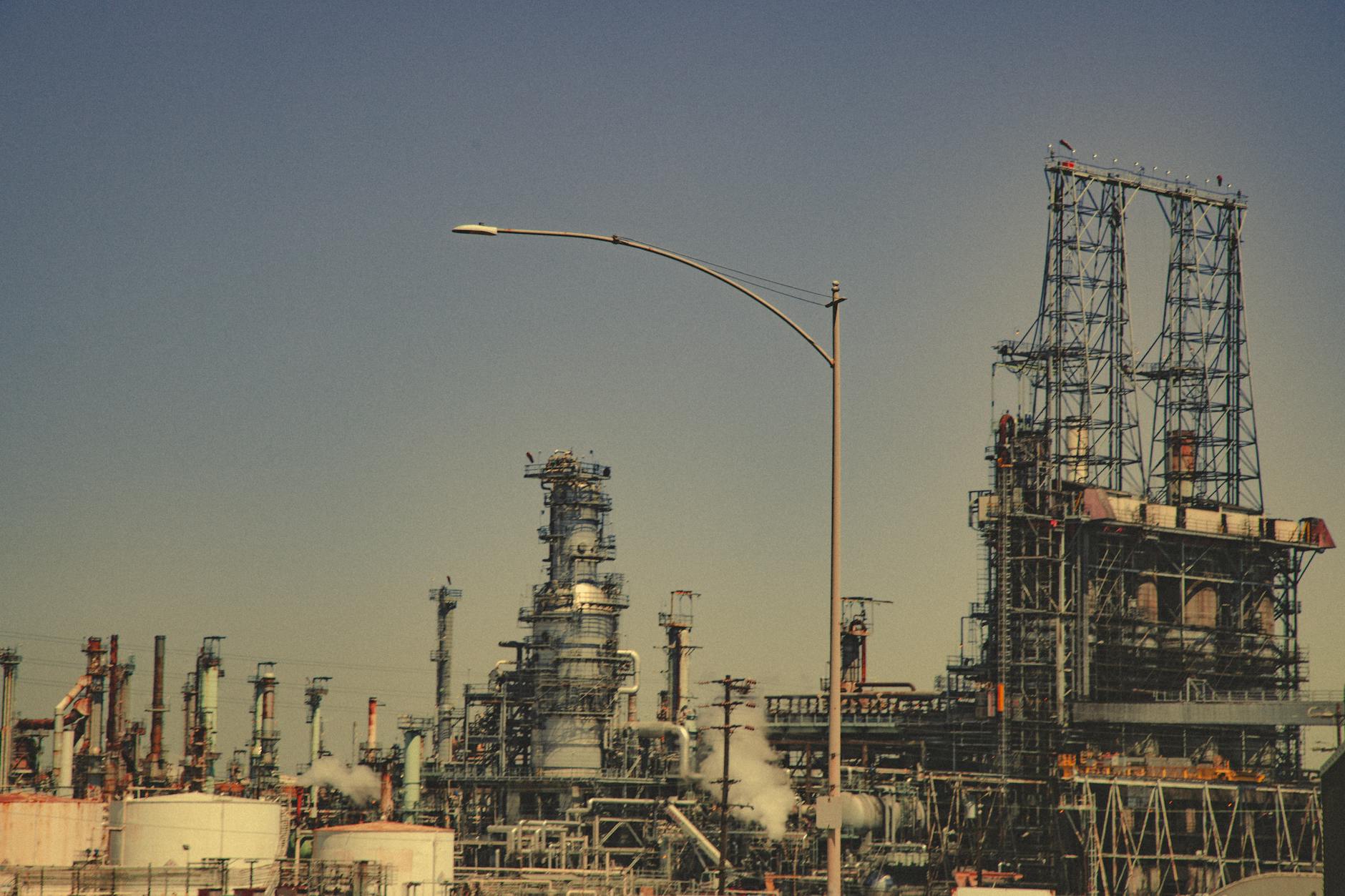
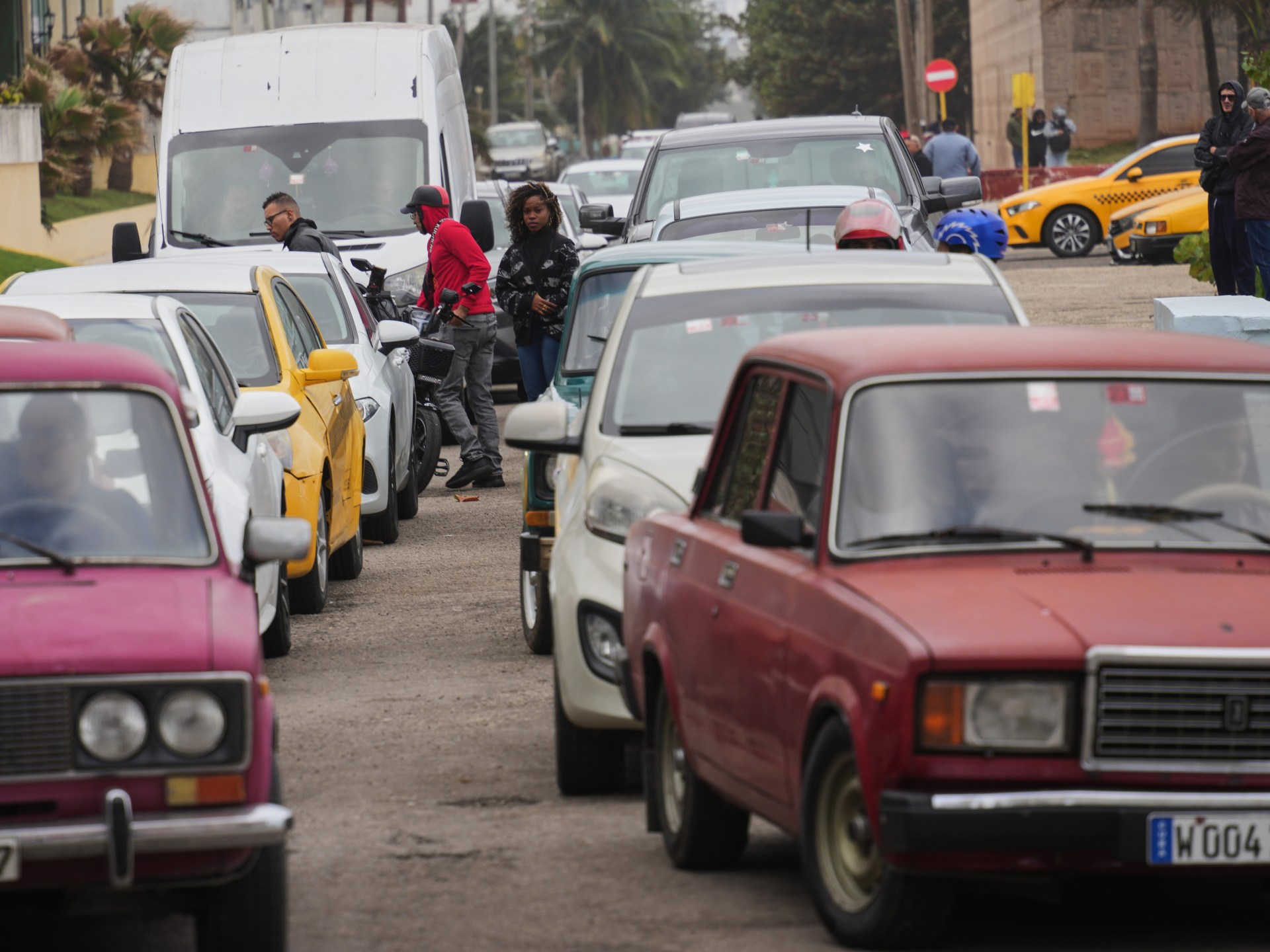
Trump explicitly linked the withdrawal of Venezuelan energy resources—oil previously supplied to Cuba—to the island's precarious economic standing. This move effectively weaponizes Venezuela's dependency on external support, placing Cuba in a significantly more vulnerable position than previous years. The continuation of the decades-long US embargo compounds the immediate impact of this energy cutoff.
Regional allies, including Mexico, have offered statements of solidarity while seemingly curtailing tangible support, raising questions about the depth of their commitment. Mexican President Claudia Sheinbaum reportedly confirmed the halting of a scheduled oil shipment to Havana amid US pressure, describing the decision in terms of sovereign business operations. Such hedging contrasts sharply with historical support narratives offered by the administration.
Observers note that many Latin American nations, alongside influential partners in the Global South, have adopted a reserved posture regarding the increased US maneuvering against Havana. While China has publicly pledged continued support for Cuba to overcome the difficulties imposed by sanctions, concrete measures beyond diplomatic statements remain less clear. This widespread hesitation contrasts with the extraordinary resilience demonstrated by the Cuban populace over nearly seven decades.
Reports from the island detail shortages of essential commodities, including basic medical supplies, illustrating the tangible effects of sustained economic isolation. These shortages impact core social services, such as the healthcare system for which Cuba has historically been recognized for its international deployments. The situation underscores the difficulty of maintaining national stability under severe external duress.
If the economic strategy engineered by the US succeeds in forcing a systemic collapse in Cuba, geopolitical analysts suggest it establishes a dangerous precedent for other nations resisting perceived imperial designs. The article posits that the failure to mount a credible, unified opposition from supposed allies represents a significant setback for the broader Global South's autonomy.
Consequently, the current juncture demands a reassessment of diplomatic commitments versus practical assistance offered by Havana's partners. The resilience of the Cuban state is now being tested not only by enduring sanctions but also by the perceived erosion of reliable external energy and economic lifelines.