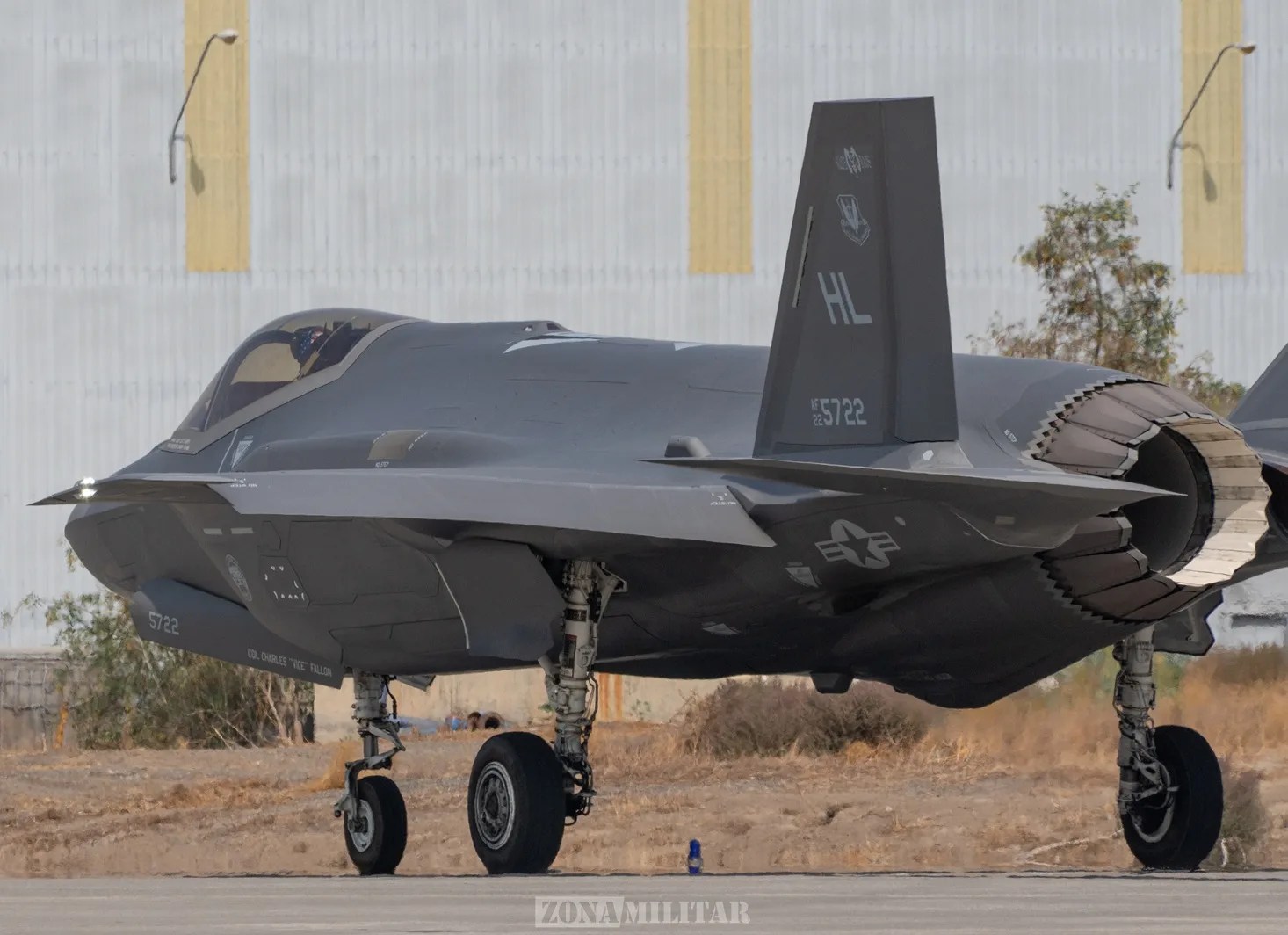
The U.S. Air Force's F-35A Lightning II multirole fighter was the centerpiece of the International Air and Space Fair (Fidae 2026), held from April 7 to 12 at Pudahuel Air Base in Santiago.
Operating as part of the USAF's 388th Fighter Wing, the aircraft performed demonstration flights led by the Demonstration Team. The exhibition aimed to showcase the agility, performance, and cutting-edge technology of this fifth-generation fighter.
Manufactured by Lockheed Martin, the F-35A is renowned for its ability to operate in contested environments using stealth technology. The aircraft is capable of performing both air-to-air and air-to-surface missions with a high degree of low observability.
Advanced Technology and Sensors
The fighter integrates electro-optical sensors and a pilot helmet-mounted display system that optimizes both day and night vision. According to a statement from Fidae, these systems enhance situational awareness and the detection of threats, such as missiles or other aircraft.
The aircraft utilizes tactical data links for secure information sharing with allied platforms, enabling interoperability within international coalitions. The U.S. Air Force described the F-35A as a tool that provides "the power to dominate the skies anytime, anywhere."
Its sensor suite is designed to collect and distribute more information than any other fighter in history, providing operators with a decisive advantage over potential adversaries through real-time data fusion.
For maintenance, the aircraft employs the Autonomic Logistics Information System (ALIS), which provides monitoring and forecasting to ensure operational readiness. Additionally, it features the Electro-Optical Targeting System (EOTS) for long-range detection and precision strikes against ground targets.
The Pratt & Whitney F135-PW-100 turbofan engine generates 43,000 pounds of thrust. The fighter reaches speeds of Mach 1.6 and has an internal fuel range exceeding 2,177 kilometers, a capability that can be extended through aerial refueling.