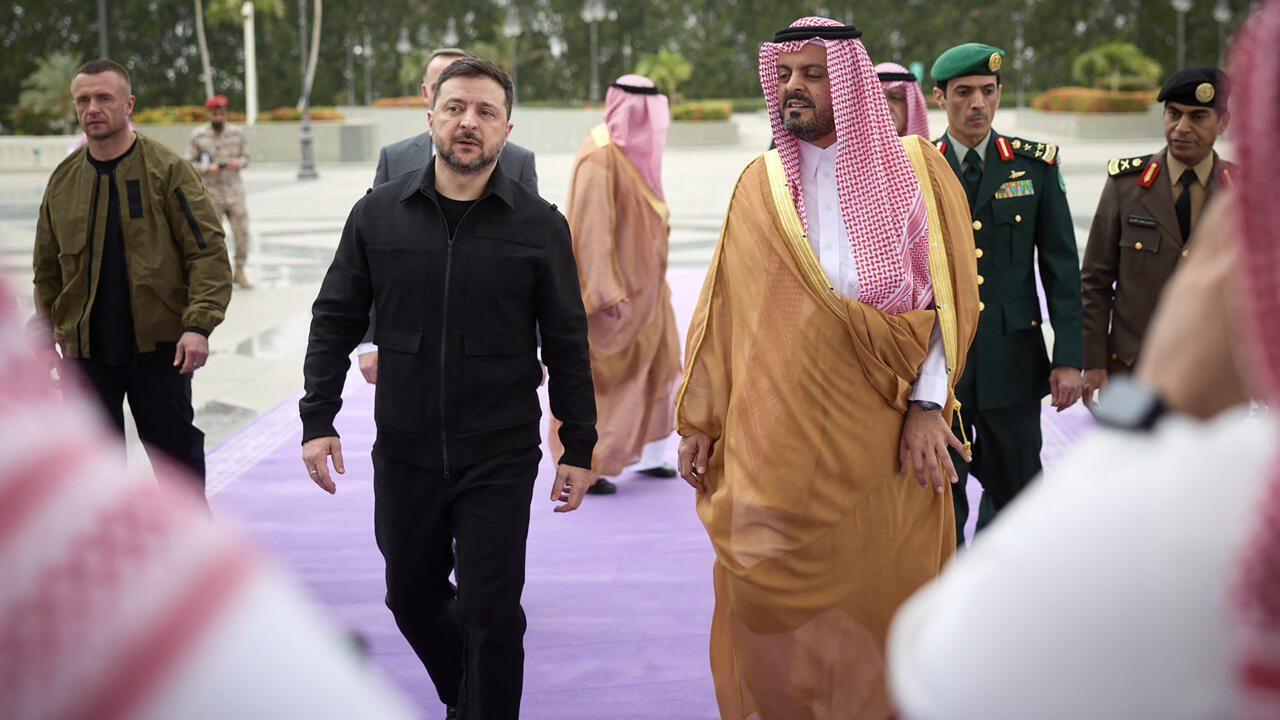
President Volodymyr Zelensky has formalized historic defense agreements with several Middle Eastern nations following a diplomatic tour last week. The Ukrainian leader signed pacts designed to bolster air defense capabilities while exchanging technology for critical missile systems. This move marks a strategic pivot in Kyiv's search for military partners beyond traditional Western allies.
Key Details
The United Arab Emirates and Saudi Arabia expressed interest in Ukrainian drone warfare technology during high-level talks. Kyiv seeks advanced air defense missiles in return for sharing tactical expertise gained from years of conflict. Officials indicated that the transfer of knowledge regarding counter-drone operations is a central component of the new framework.
Gulf states face increasing attacks from Iranian-made drones and missiles targeting their energy infrastructure. This partnership marks a significant shift in defense procurement strategies for the region seeking to modernize their security apparatus. The agreements suggest a willingness to collaborate with nations embroiled in active combat zones.
France24 reported that Zelensky hailed the agreements as historic during the visit to the region. He emphasized that any deal must benefit Ukraine by providing access to expensive air defense systems currently needed on the front lines.
"The president has insisted that any deal should also benefit Ukraine," the source said.
The President insisted on reciprocity to ensure the military support sustains the ongoing war effort. This detail underscores the complex negotiations required to align divergent national interests. The arrangement highlights a potential new axis of military cooperation outside traditional Western alliances.
What Comes Next
Observers will monitor how these agreements impact the broader war in Ukraine as it enters its next phase. Implementation details regarding missile transfers remain unclear pending final ratification by legislative bodies. The success of this model could encourage similar pacts with other non-aligned states globally.
Economic implications extend beyond military hardware to include broader trade relations between the economies involved. Increased diplomatic engagement may lead to new investment opportunities in technology and infrastructure sectors. Stability in the Middle East remains a priority for both Western and Eastern partners.