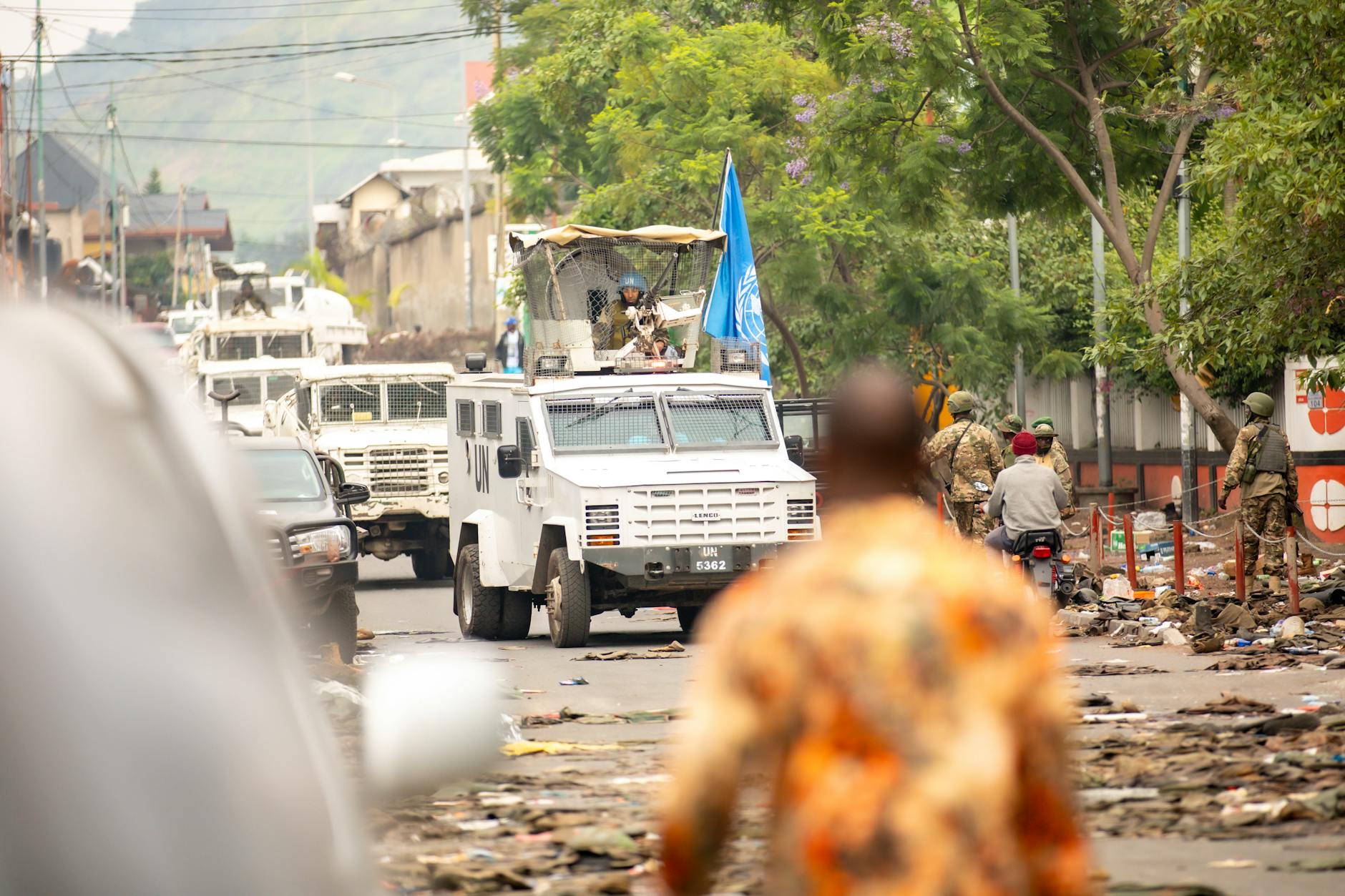
Two Indonesian peacekeepers were killed on Monday by a roadside explosion in southern Lebanon, UN peacekeeping chief Jean-Pierre-Pierre Lacroix has said, citing the findings of an initial investigation. A third peacekeeper was severely injured alongside another soldier during the incident near Bani Hayyan. This marks the second fatal attack on Unifil personnel within a single day, raising concerns about safety along the border.
Key Details
UN peacekeeping chief Jean-Pierre Lacroix told the Security Council that initial findings point to an improvised explosive device striking the convoy. Stéphane Dujarric, spokesperson for the UN secretary-general, confirmed the likely cause as an IED during a briefing to the international press. The United Nations Interim Force in Lebanon stated the origin of the blast remains unknown pending further forensic analysis.
A separate incident on Sunday killed another Indonesian soldier in Adchit Al Qusayr, southern Lebanon. Investigators suspect an explosive landed in the position held by the unit during a routine patrol. Unifil has launched investigations into both fatal events to determine responsibility and ensure proper accountability for the losses.
"Everyone needs to ensure that they are protected and never targeted," Dujarric said at the briefing regarding the peacekeepers.
The Israel Defense Forces issued a statement denying involvement in the Bani Hayyan explosion following international inquiries. Their review concluded no explosive device was placed by Israeli troops in the area at the time of the incident. The military also noted no IDF troops were present in the vicinity during the timeframe of the explosion.
What This Means
These deaths occur shortly after Israel announced increased ground and air attacks against Hezbollah, an Iran-backed militia. The group has fired rockets into Israel following US-Israeli strikes on Iranian targets throughout the region. Tensions remain high despite a November 2024 ceasefire brokered after violence flared in Gaza, which has seen near-daily strikes.
Approximately 339 peacekeepers have died since the Unifil mission began in 1978 to serve as a buffer zone. The Lebanese health ministry reports 1,268 people killed in Lebanon since the ceasefire started earlier this year. This includes 124 children among the reported fatalities, highlighting the humanitarian cost of the ongoing conflict.
UN spokesperson Dujarric urged Lebanon and Israel to utilize the Unifil mechanism for dialogue to de-escalate the situation. He emphasized that peacekeepers sent on behalf of the international community require protection under international law. The sovereignty and territorial integrity of Lebanon must be respected by all parties involved in the conflict.
The recurring attacks on UN forces highlight the fragility of the current security arrangement in the region. Continued violence could complicate efforts to maintain stability along the Blue Line separating the two nations. International actors must monitor the situation closely for further escalation that could draw in broader regional powers.