Former U.S. President Donald Trump stated late Thursday his intention to impose tariffs on any nation supplying oil to the Caribbean island, according to reports circulating Friday in Havana. This announcement has exacerbated public frustration among Cubans already contending with widespread electricity blackouts and a strained economy.
Cuban officials swiftly condemned the measure, with President Miguel Díaz-Canel labeling the action as "fascist, criminal and genocidal" on the social platform X. Foreign Minister Bruno Rodríguez declared an international emergency over the "unusual and extraordinary threat" posed by the policy shift.
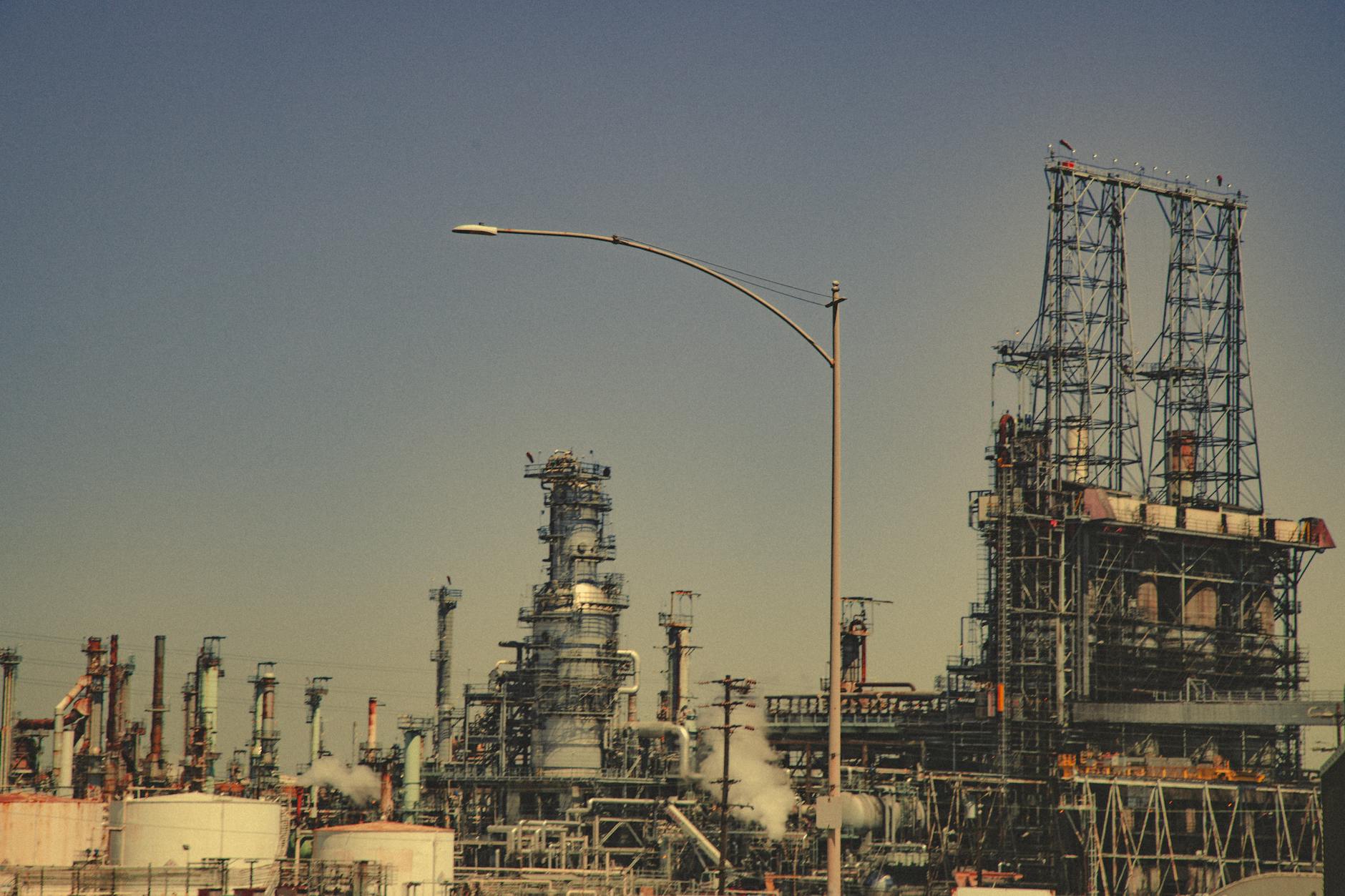
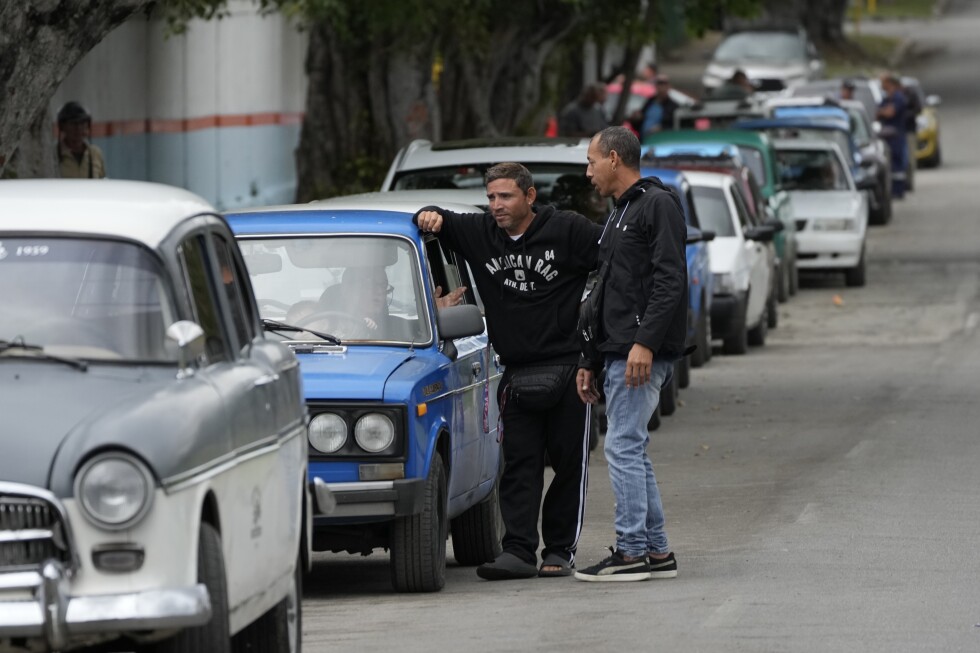
The threat directly impacts Cuba’s energy lifeline, which relies heavily on fuel imports, particularly from allies like Venezuela and, increasingly, Mexico and Russia. Experts note that diesel is the fundamental component supporting the Cuban economy, making disruptions critical.
Jorge Piñon, an energy expert at the University of Texas Energy Institute, emphasized that the immediate concern is inventory levels, warning that if no tankers arrive within four to eight weeks, the situation will become severe. Piñon indicated that Mexico's commitment is now the primary unknown, especially after the U.S. sanctions previously crippled Venezuelan supplies.
Venezuelan authorities also denounced the proposed tariffs, asserting they violate international commerce norms. Meanwhile, Mexican President Claudia Sheinbaum indicated a desire to explore alternatives to maintain humanitarian aid flows, potentially seeking U.S. mediation for any continued Mexican oil shipments.
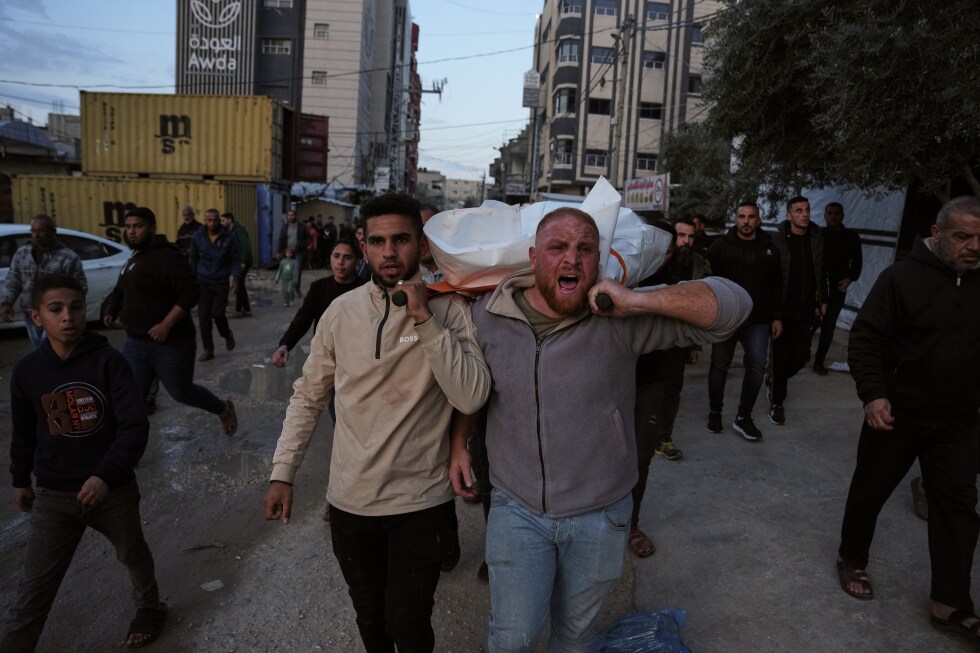
Cuban citizens expressed deep apprehension, viewing the policy as an escalation that punishes the populace rather than the government. One resident cited experiencing conditions worse than the severe economic downturn of the 1990s, known as the Special Period, due to the compounded scarcity of fuel and basic necessities.
Daily power demand in Cuba averages approximately 3,000 megawatts, often exceeding available supply, forcing many to endure long periods without electricity. The continuation of such external economic constraints raises serious questions about Cuba’s near-term economic stability and the viability of its current infrastructure.