US President Donald Trump issued a stark warning on March 30 regarding Iran, threatening military action against the nation's primary energy infrastructure. The ultimatum involves potential destruction of Kharg Island and associated oil wells unless Tehran agrees to a peace deal. Diplomatic channels remain open as the White House claims to be engaging with a more reasonable regime in the capital. This combination of threats and talks creates a volatile environment for international markets. The administration has not yet confirmed specific timelines for the proposed military operations.
Infrastructure Targets and Strategic Risks
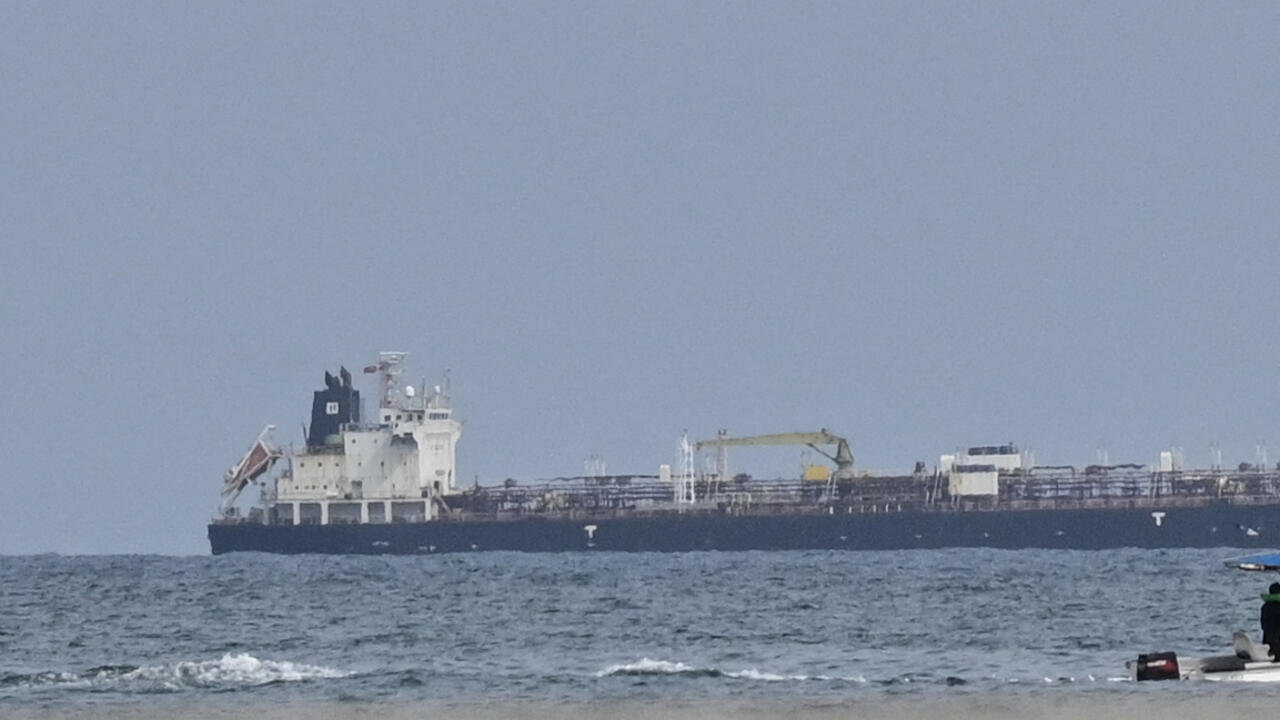
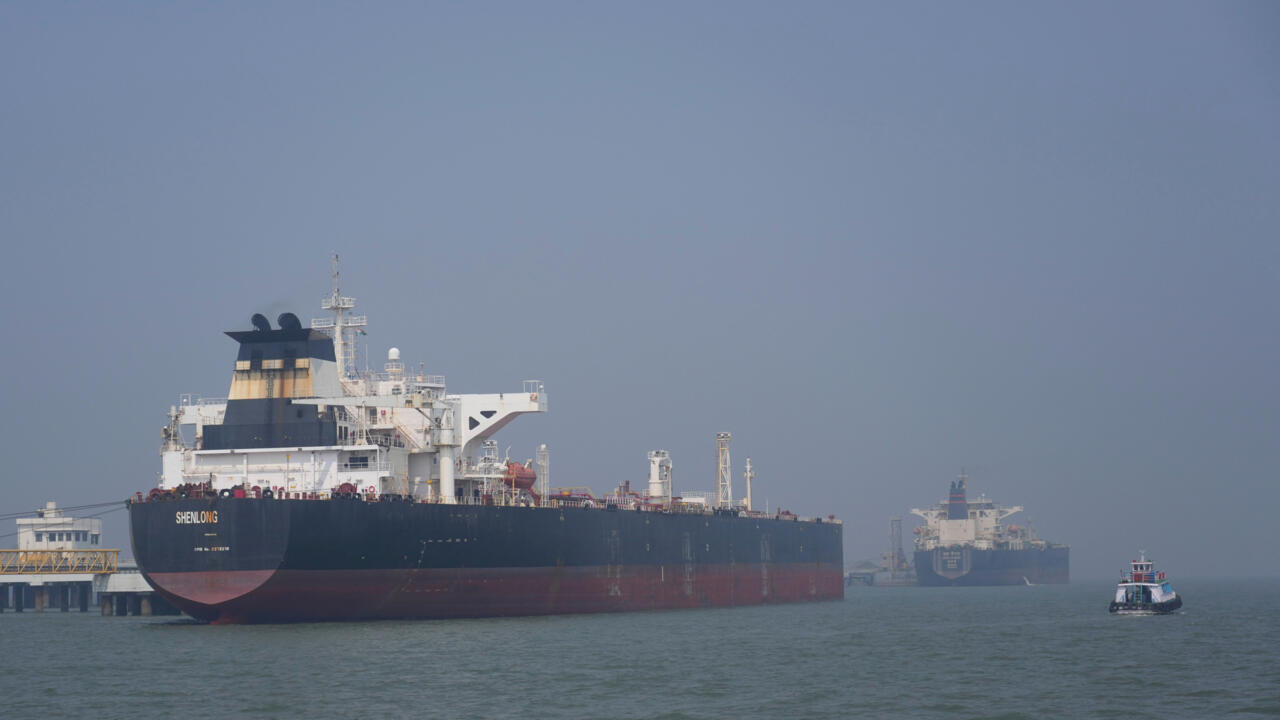
The specific targets identified include Kharg Island, which serves as the country's main crude export hub. Officials also cited power plants and oil wells located in the region as potential objectives for American forces. Such an escalation would likely disrupt global supply chains and impact energy prices significantly. Analysts note that Kharg Island handles a substantial volume of the nation's daily petroleum exports. Destroying these facilities would require precision strikes and extended logistical support from allied bases.
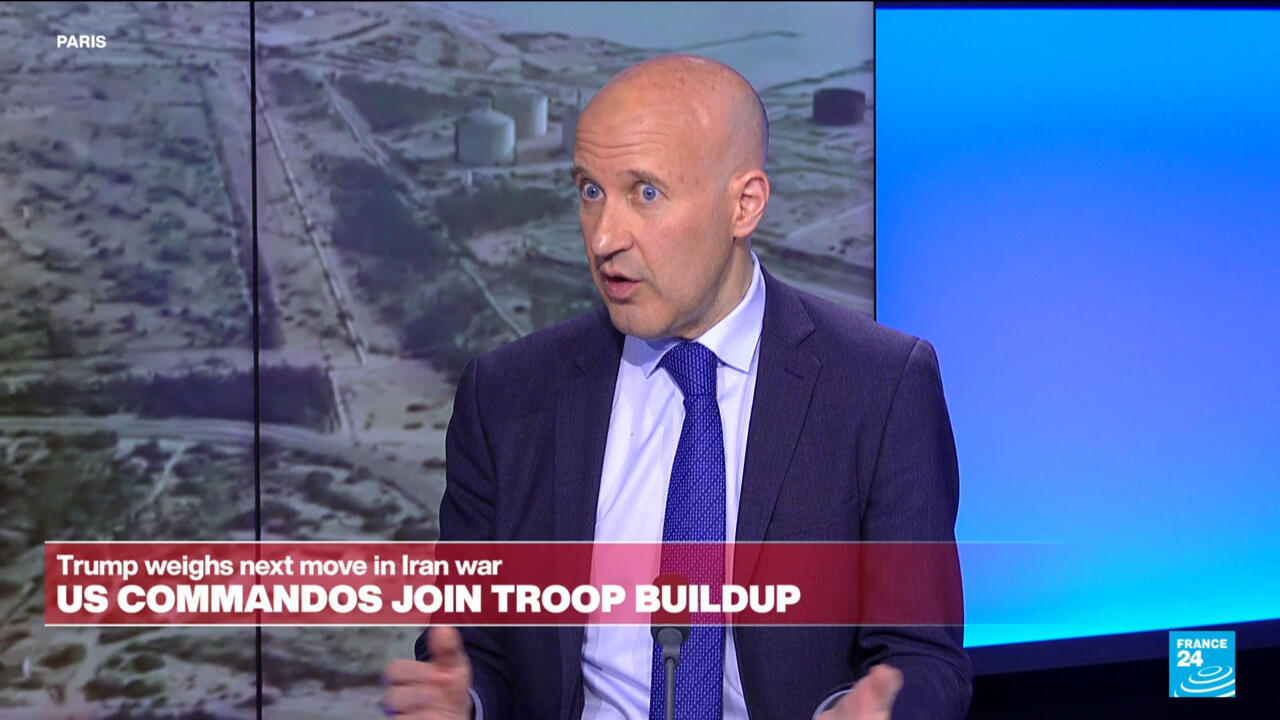
"While Trump points in one direction, empirical evidence seems to point the other way," said Douglas Herbert, a correspondent for France 24.
Herbert's assessment suggests a divergence between stated diplomatic goals and observable military preparations. This contradiction raises questions about the administration's true intentions regarding the Middle East. Observers are monitoring troop movements and naval deployments for signs of actual hostilities. The timing of these threats coincides with heightened regional instability. Intelligence reports indicate increased surveillance of the Persian Gulf region.
Geopolitical and Economic Implications
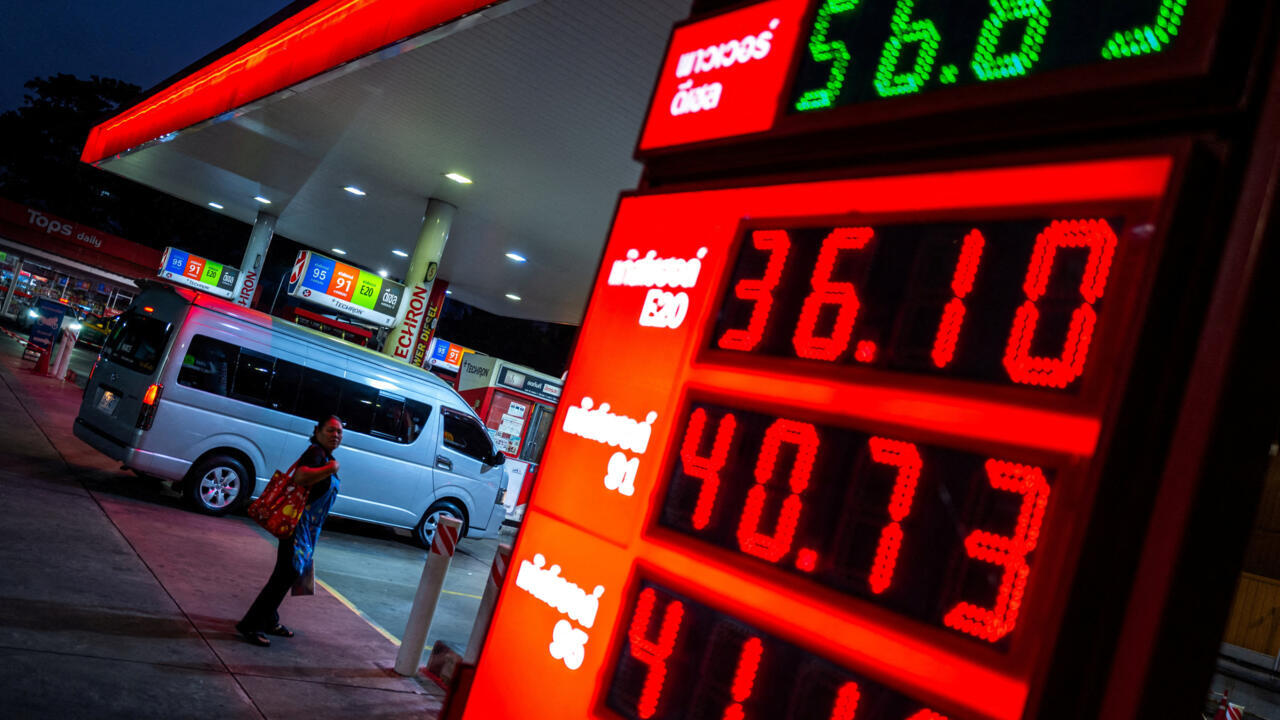
Any conflict in the Persian Gulf would have immediate repercussions for global markets. Energy traders are watching closely as oil prices react to volatility in the region. A shutdown of Kharg Island could remove millions of barrels from daily production. Experts warn that regional conflict often leads to broader security concerns involving neighboring states. Financial institutions are hedging against potential spikes in crude oil costs.
Existing tensions between Iran and Israel add another layer of complexity to the situation. Previous escalations have involved proxy groups and cyber operations rather than direct state-to-state strikes. This threat represents a more explicit form of pressure from the United States. The administration seeks to employ this stance in broader negotiations. Regional allies are reassessing their security strategies in light of these developments.
International partners may face pressure to align with Washington or maintain neutrality in the event of a clash. Economic sanctions have long been a tool of US policy, but military threats signal a shift in tactics. Markets remain sensitive to any indication of prolonged instability in the energy sector. The World Bank and IMF are tracking the situation for potential economic fallout. Stability in energy supplies is a priority for major economies.
Investors are currently weighing the probability of diplomatic resolution against the risk of military engagement. The outcome will determine the trajectory of energy supply for the coming years. Future developments will depend on whether Tehran accepts the proposed terms or faces force. La Era will continue to track these developments as the situation evolves. Stakeholders across the globe must prepare for potential shifts in the energy sector.