President Donald Trump has signaled a potential military intervention targeting Iran's primary oil export hub, known as Kharg Island. US assault troops are reportedly positioning for a scenario similar to the seizure of Venezuela's oil infrastructure in the Caribbean. Oil prices have surged past 110 dollars per barrel following these statements regarding the Persian Gulf crisis.
Market Reaction
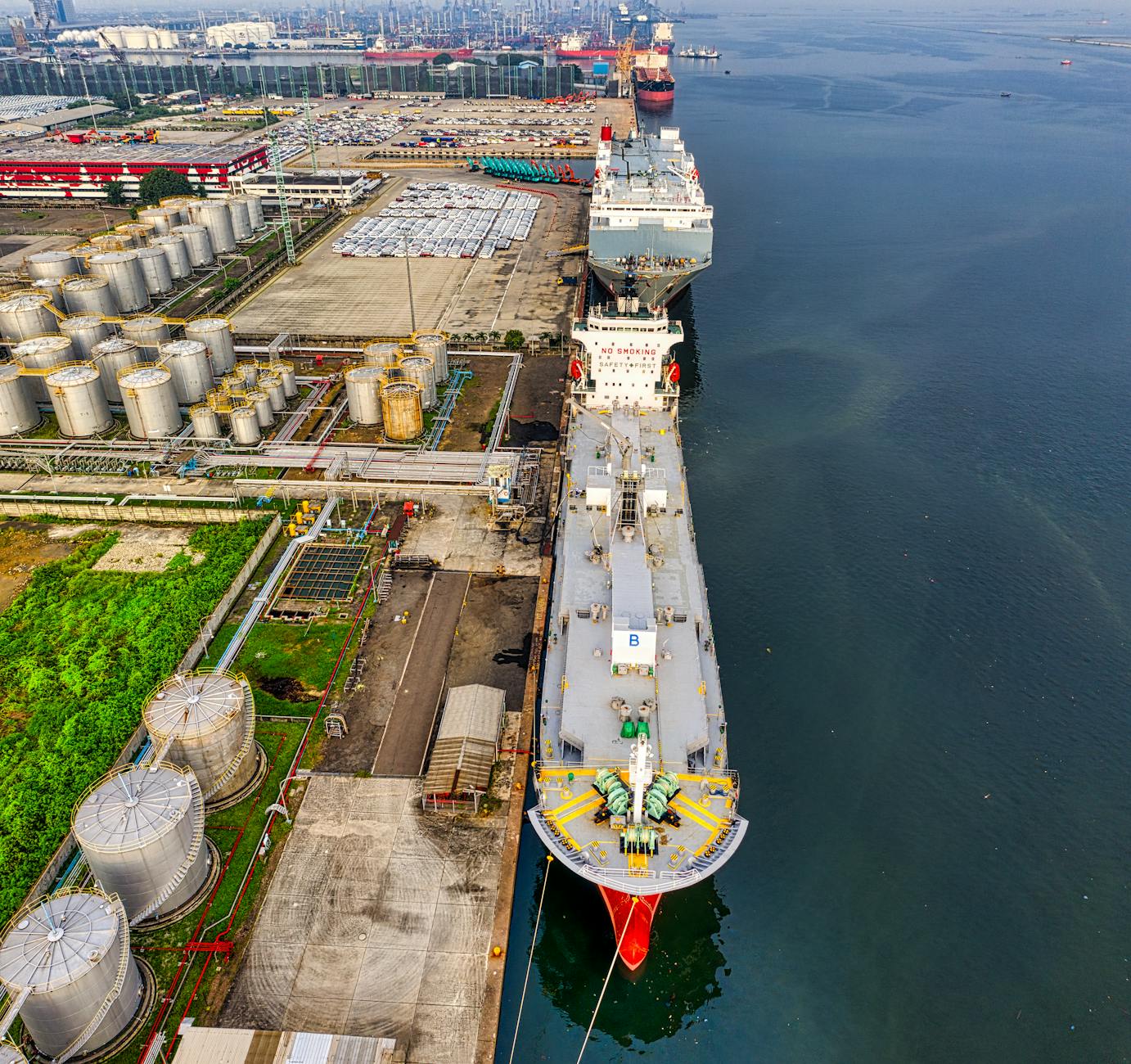
Kharg Island accounts for nearly 90% of Iranian crude exports, making it a critical strategic target for energy markets. Markets are treating Pentagon planning for an invasion as a credible threat rather than mere rhetorical posturing during negotiations. This valuation spike reflects immediate fears of supply disruption in the Persian Gulf region.
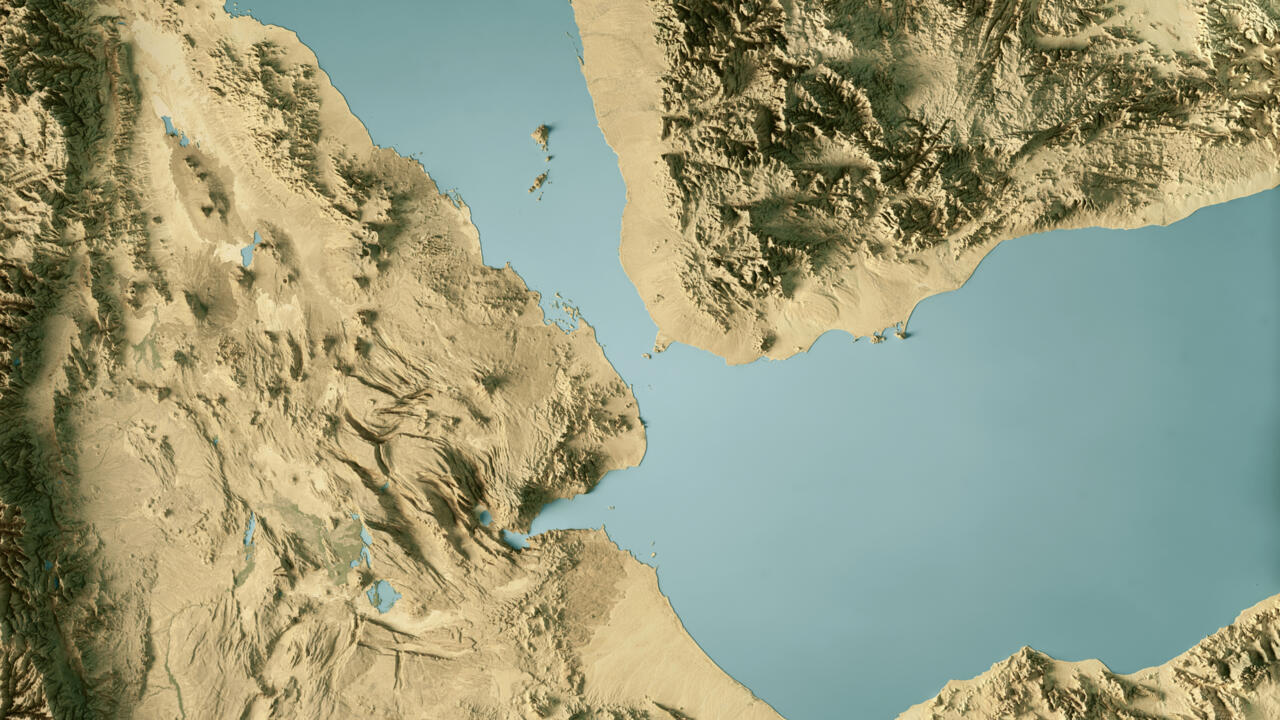
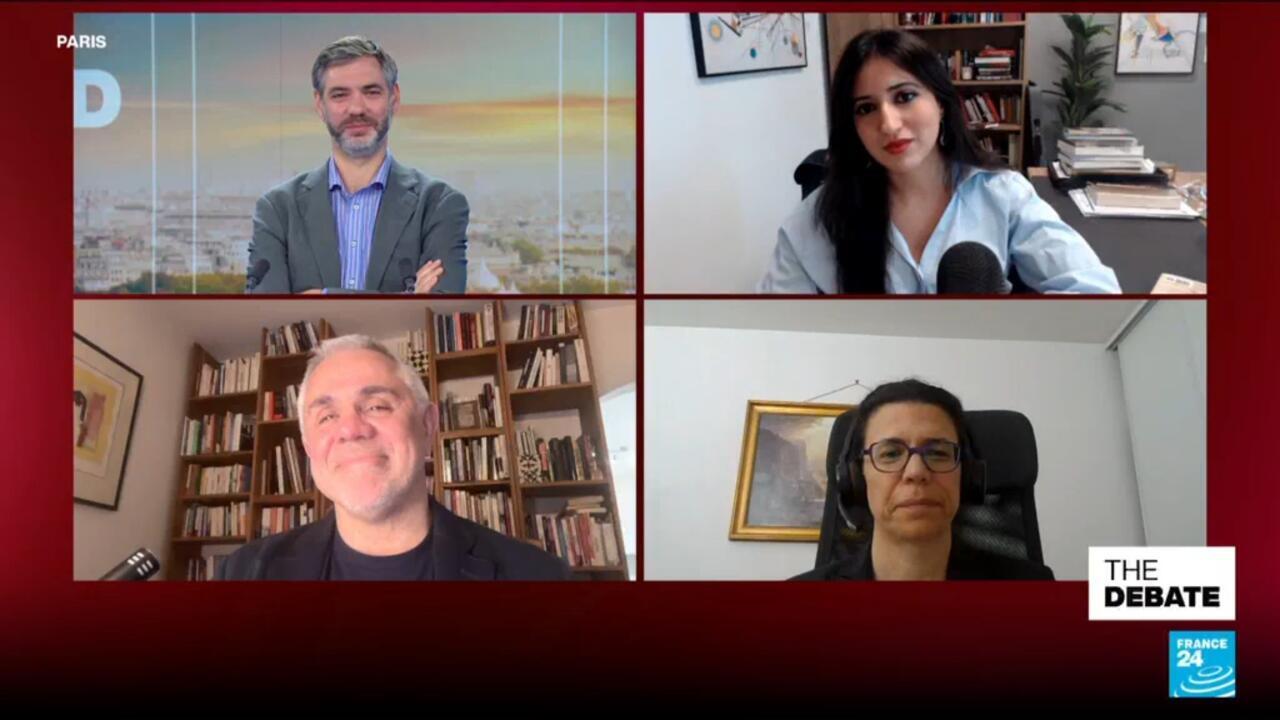
France 24 reported that the debate includes the significant logistical pitfalls of sailing warships past the Strait of Hormuz. Navigating this narrow waterway presents significant risks for any naval force attempting an amphibious assault on the island. The strait remains a vital choke point for global energy transit and commercial shipping lanes.
Geopolitical Shift
The Islamic Republic has vowed to respond aggressively to any violation of its territorial sovereignty by foreign forces. Regional analysis suggests Gulf neighbors would view a direct US attack with deep concern and strategic hesitation. The stability of the Arabian Peninsula depends heavily on the outcome of this tense standoff.
Since 1945, the United States has positioned itself as the Arabian Peninsula's main security guarantor for regional states. This historical role faces a severe test if the administration shifts from protection to direct seizure of national assets. The shift challenges the traditional framework of American foreign policy in the Middle East.
Producers of the France 24 segment, including François Picard, questioned whether this security guarantee will remain intact after the dust settles. "Will that still be the same when the dust settles?" the report asked regarding the US role. Such a move could redefine power dynamics across the entire Middle East region.
Economic Outlook
Economists warn that sustained conflict could drive energy costs higher for global manufacturers and consumers alike. Supply chain disruptions in this sector would ripple through international trade agreements and economic forecasts. Inflation pressures might increase significantly as a direct result of the instability.
Investors are monitoring the situation closely for signs of de-escalation or further military buildup in the region. The coming weeks will determine if this threat remains diplomatic or becomes a kinetic military engagement. Markets will react sharply to any concrete movement of assets or troops reported by officials.