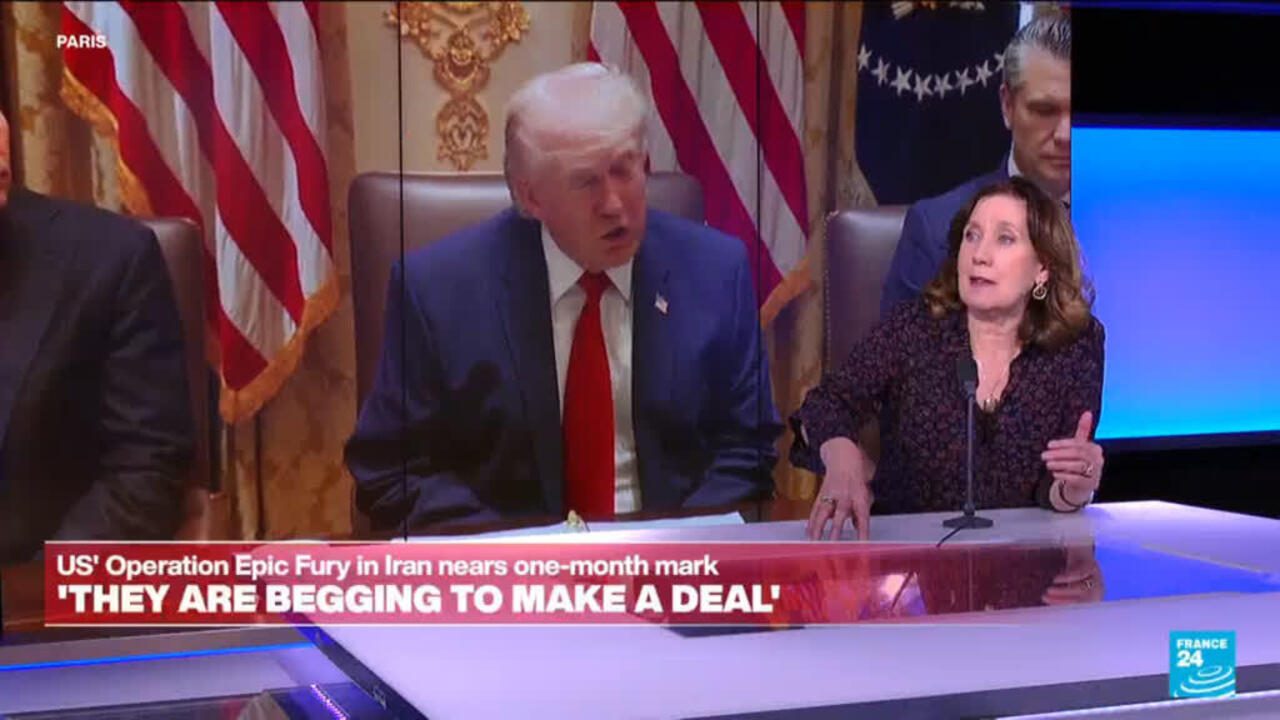
US President Donald Trump declared on Thursday that military operations against Iran remain extremely ahead of schedule during his first cabinet meeting since the conflict erupted. The statement arrives as Washington seeks to pressure Tehran into negotiations following nearly a month of sustained hostilities that have disrupted regional stability. This assessment comes despite reports indicating significant resistance from Iranian leadership regarding the current pace of the ground offensive and aerial campaigns targeting strategic assets.
France 24 International Affairs Editor Angela Diffley reported the remarks during the briefing held in the White House Situation Room with senior staff. Trump emphasized that the joint US-Israeli military offensive is progressing faster than initial projections suggested by intelligence agencies on the ground. Officials at the meeting were expected to receive updated intelligence assessments on the ground regarding target destruction rates and collateral damage reports from independent observers in the zone.
The conflict began in late February with coordinated strikes targeting key nuclear and military infrastructure across the region including command centers. Washington and Tel Aviv initiated the offensive without prior congressional approval according to legal analysts and constitutional experts within the administration. This escalation marks the highest level of direct confrontation between the two nations since the Cold War era and raises fears of a wider proxy war.
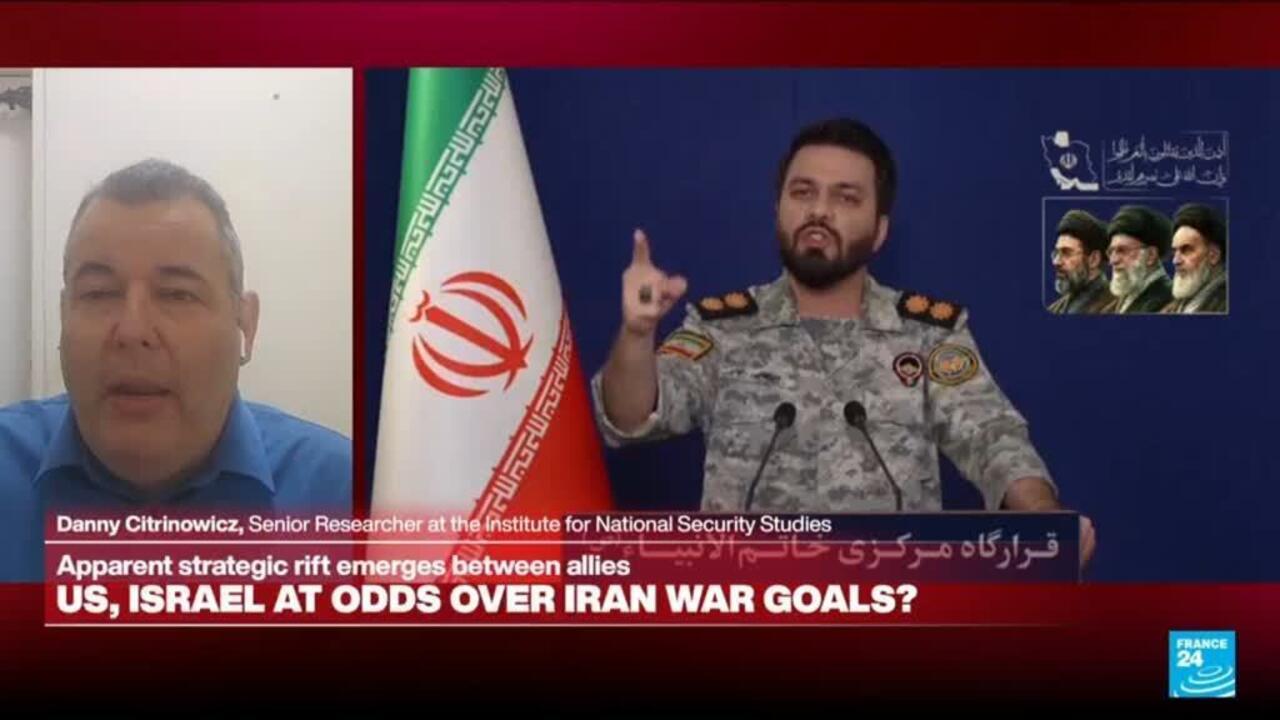
Tehran publicly rebuffed the opportunity for negotiations on Friday morning during a press conference in the capital with high-ranking advisors. Iranian officials stated that any deal must include the immediate cessation of all drone strikes and the lifting of existing sanctions imposed by the West. Diplomatic channels remain largely frozen as military actions intensify across the region without any clear end in sight for the civilian population.
Early in the campaign, Trump cited a specific timeframe of four to six weeks for the total operation to conclude with strategic objectives met. The President now indicates that this window may close sooner than anticipated by his military commanders and strategic advisors in the Pentagon. Military commanders have not confirmed the exact status of the timeline in public statements to the press regarding future operational goals.
Global energy markets reacted sharply to the renewed rhetoric regarding the critical choke point of the Strait of Hormuz where oil shipments pass daily. Oil prices fluctuated significantly as traders assessed the risk of supply chain disruptions in the Persian Gulf shipping lanes and export routes critical to global energy supply chains. Investors remain concerned about potential sanctions affecting regional exports and global energy security during the current geopolitical volatility.
The international community watches closely for signs of de-escalation or further aggression in the volatile Middle East sector involving multiple state actors. United Nations representatives have called for an emergency session to discuss humanitarian corridors for civilians in the conflict zone and safe passage for aid. Regional allies urge caution to prevent a wider war involving multiple state actors and non-state militias threatening regional stability and trade.
Economic sanctions continue to play a pivotal role in the diplomatic leverage Washington applies against the Islamic Republic. Recent reports suggest that financial institutions are reviewing exposure to Iranian assets in light of the escalating military tensions. International banks face pressure to comply with US directives while maintaining operations in partner nations throughout Europe and Asia.