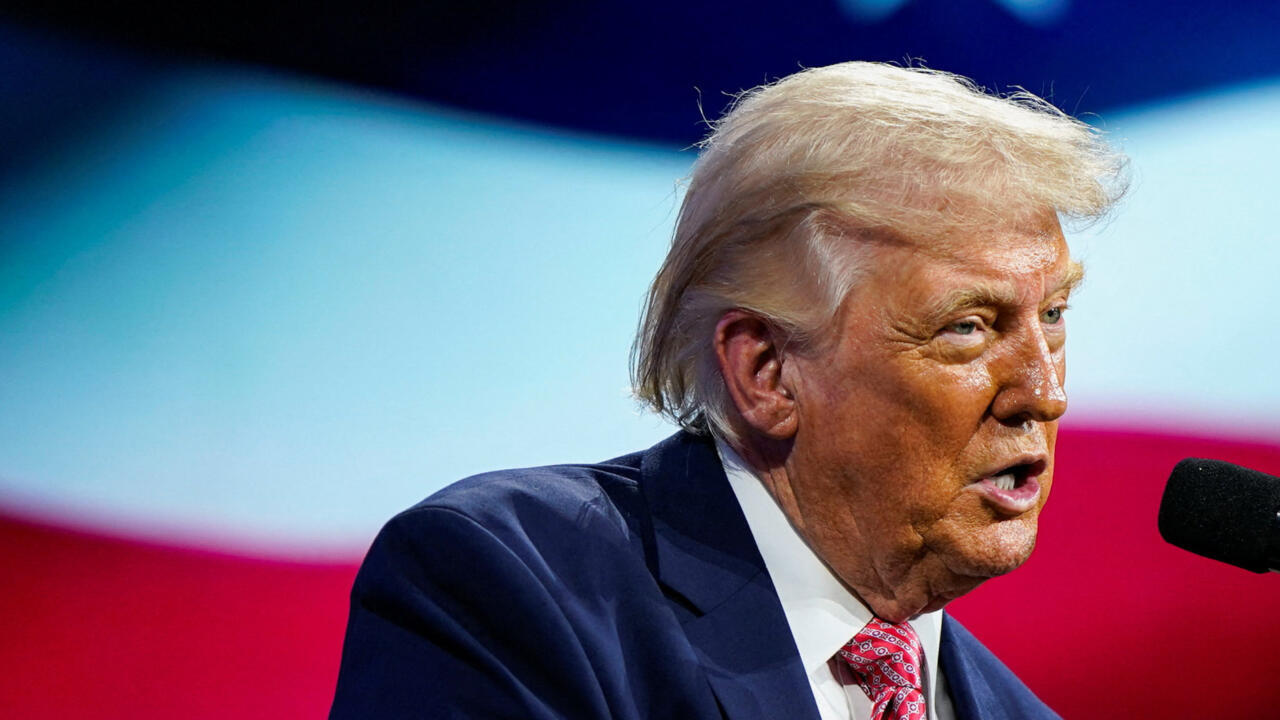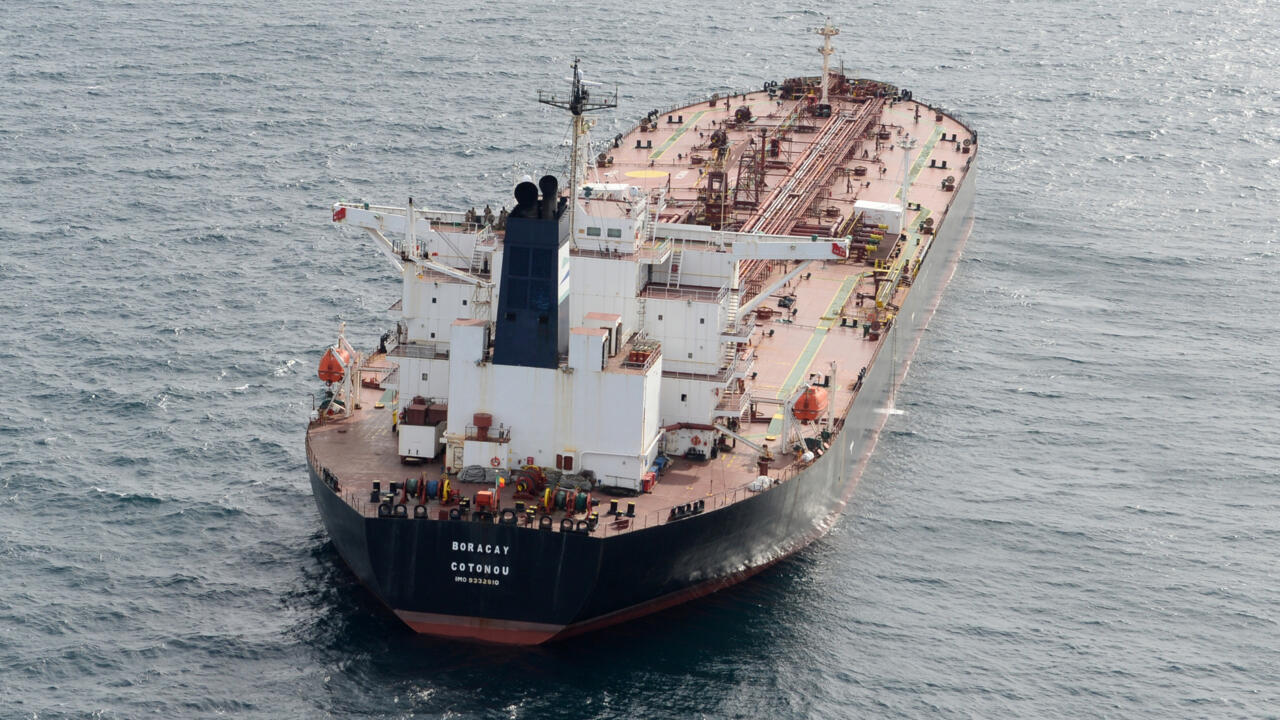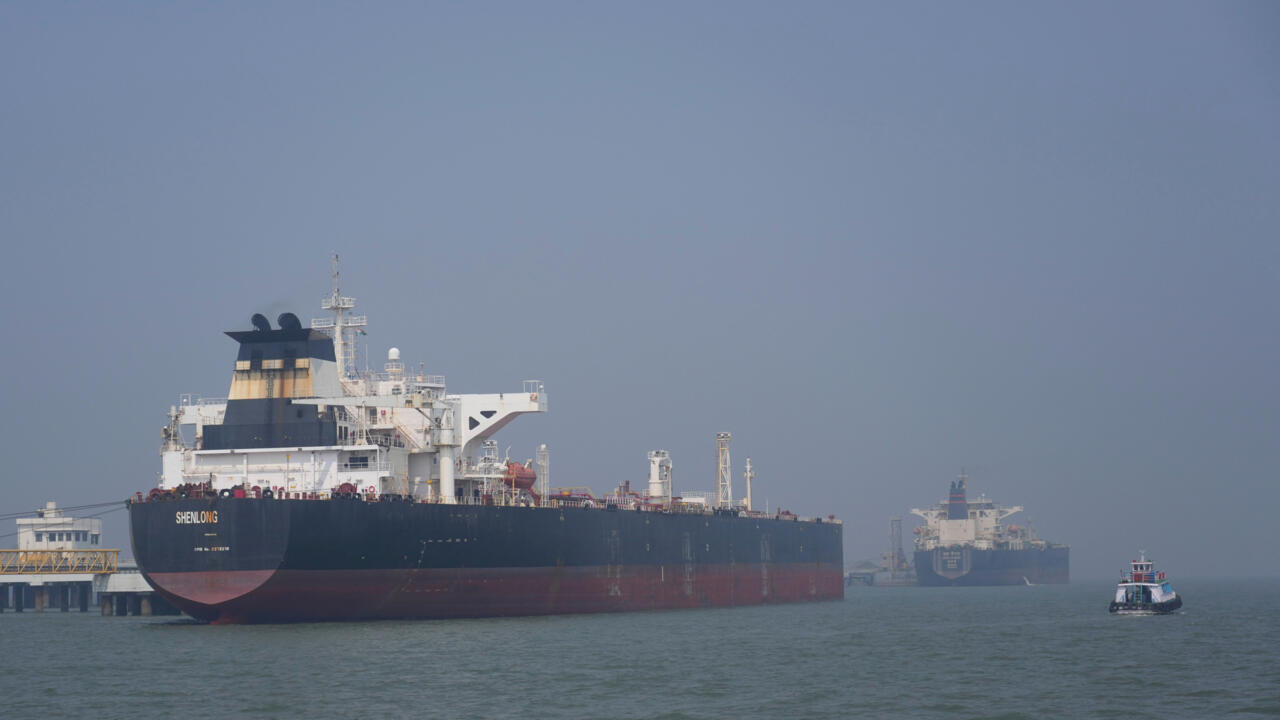
US President Donald Trump announced on Wednesday that Tehran has consented to the passage of twenty vessels through the strategically vital Strait of Hormuz, a move he described as a significant indicator that diplomatic negotiations with the Islamic Republic are advancing. This declaration comes amidst heightened tensions in the Persian Gulf region, where maritime security has been a primary concern for global energy markets and international shipping lanes over the past several months. The White House characterized the agreement as a breakthrough moment in the ongoing dialogue between Washington and Tehran regarding regional stability and freedom of navigation.
Despite the positive diplomatic signal, reports indicate that a significant regional United States military build-up has triggered serious concerns regarding potential ground operations in the area. Sources familiar with the situation suggest that the deployment of additional forces could be intended to secure Kharg Island, a critical hub for Iranian oil exports located in the southern part of the country. This military posture complicates the narrative of peaceful resolution, as analysts warn that the presence of foreign troops could escalate the conflict rather than de-escalate the situation.
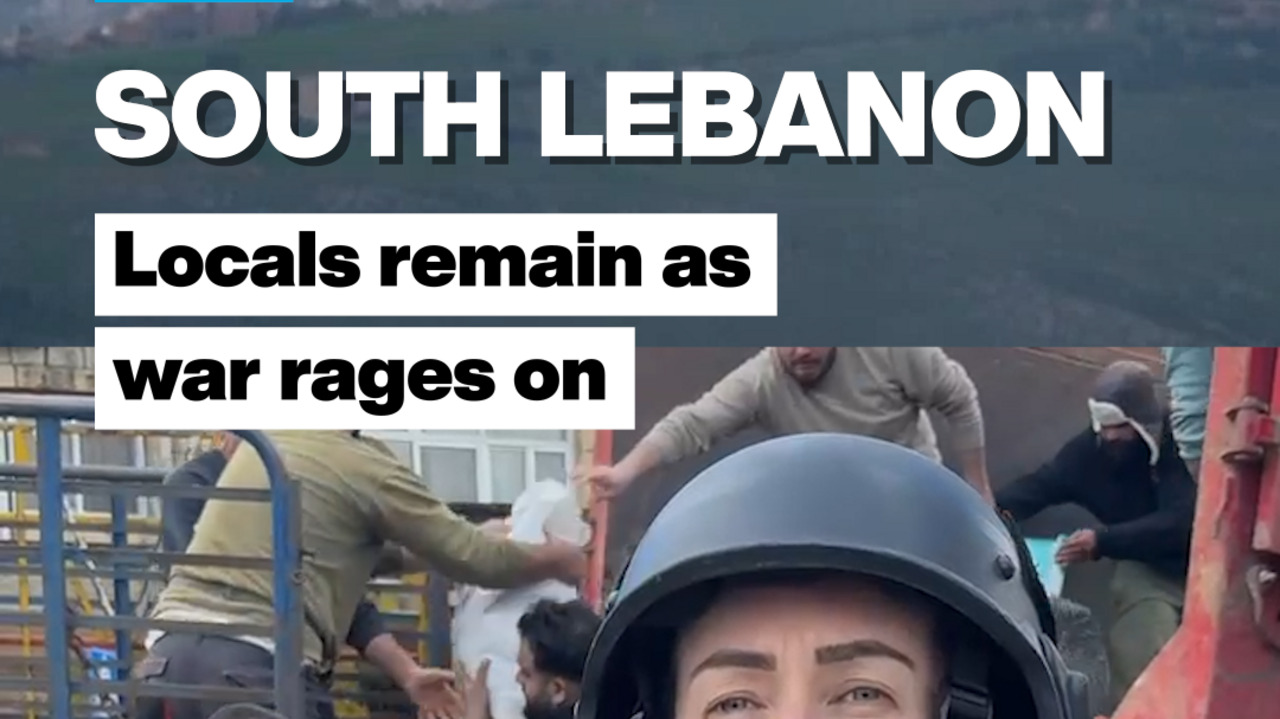
France24 correspondent Douglas Herbert offered a different perspective on the situation, suggesting that the events demonstrate Iran asserting greater sovereignty over the choke point. He argued that the ability to control the flow of traffic through the waterway represents a significant shift in the balance of power within the Middle East region. This interpretation challenges the administration's narrative by framing the passage of ships not as a concession, but as a demonstration of Tehran's operational control.
"Iran has a little more sovereignty over the Strait and calling the shots over it," Herbert stated during his analysis of the geopolitical landscape.
The Strait of Hormuz serves as a critical artery for global commerce, facilitating the transport of approximately one-fifth of the world's total oil consumption daily. Any disruption to this waterway would have immediate and severe consequences for international energy prices and supply chains across Europe and Asia. Consequently, the stability of the region remains a top priority for major economic powers seeking to maintain steady fuel supplies for their domestic industries.
Historical precedents show that similar threats to the strait have previously led to sharp spikes in crude oil futures and increased insurance premiums for commercial vessels. The current situation echoes past confrontations where military posturing was used to leverage economic concessions or political influence in the broader Middle East theater. Investors are closely monitoring the situation to determine if the diplomatic progress outweighs the risks associated with the military build-up.
Implications for Global Trade
The potential for ground operations on Kharg Island raises the stakes significantly for the global energy sector and international relations. If the United States were to establish a physical presence on the island, it would mark a dramatic escalation in the conflict between the two nations. Such a move would likely provoke a strong response from Tehran and could destabilize the broader security architecture of the Persian Gulf region.
What Comes Next
Market observers will be watching closely to see if the diplomatic channel remains open or if military actions take precedence in the coming weeks. The outcome of these negotiations will likely dictate the trajectory of oil prices and the stability of regional alliances in the Middle East. Continued dialogue is essential to prevent the conflict from spilling over into a wider regional war that could impact global economic growth.
This development underscores the complex interplay between diplomatic overtures and military readiness in modern international relations. While the passage of ships suggests a thaw in hostilities, the underlying tensions remain unresolved and pose a persistent risk to global stability. The international community must remain vigilant as both sides navigate this fragile period of negotiation and strategic positioning.
Ultimately, the situation in the Strait of Hormuz highlights the enduring importance of maritime security in the 21st-century global economy. The ability to secure these waterways will determine the economic health of many nations dependent on imported energy resources. Stakeholders across the globe must prepare for potential volatility as the geopolitical landscape continues to evolve in the coming months.