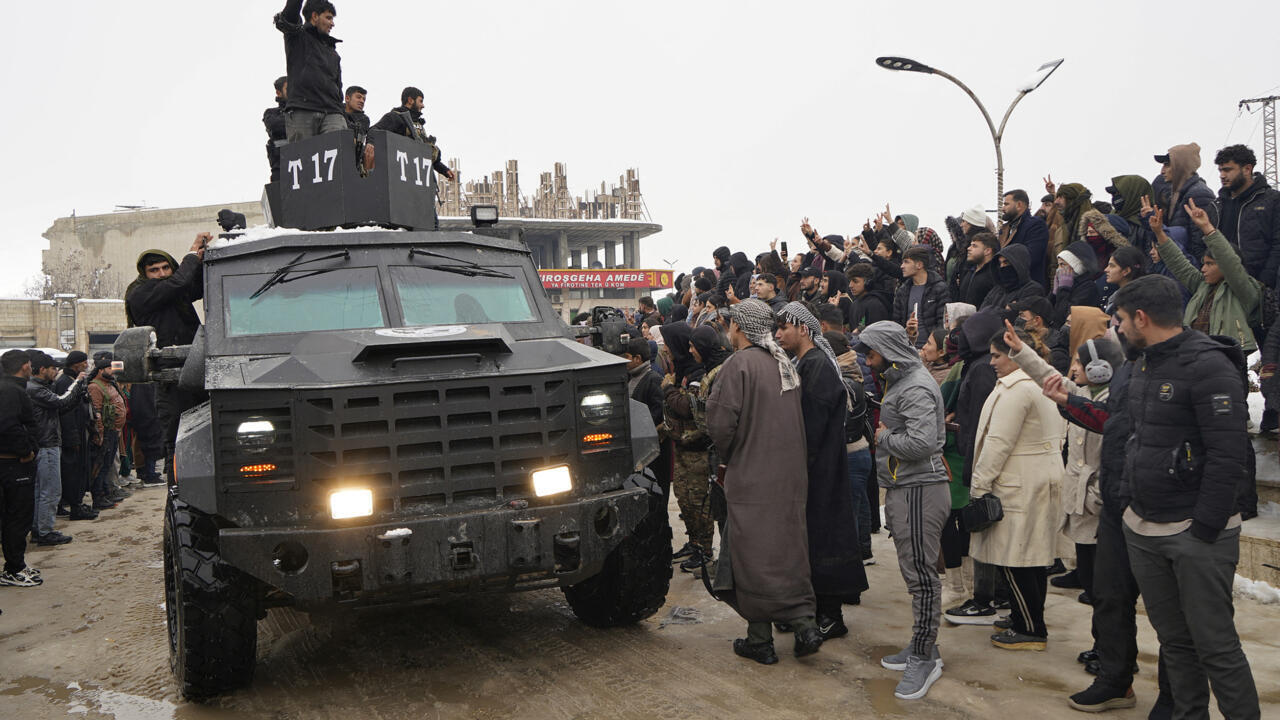
Syria’s government and the Kurdish-led Syrian Democratic Forces (SDF) reached a comprehensive integration deal Friday, formalizing the absorption of Kurdish administration and security elements into the central state apparatus, according to reports from both sides. This agreement concludes weeks of localized fighting that saw government forces recapture substantial territory previously held by the SDF.
The core stipulation of the accord mandates the gradual integration of SDF personnel into three new Syrian army brigades, as reported by Syrian state television. Furthermore, government forces are slated to deploy into key Kurdish-majority cities, specifically Hasakeh and Qamishli in the northeast, marking a return of state authority to these urban centers.
This development severely curtails the aspirations for regional self-rule the Kurdish minority established during the preceding thirteen years of civil conflict. The SDF previously managed a de facto autonomous administration across large swathes of northern and northeastern Syria, a structure now subject to dissolution under the new terms.
French President Emmanuel Macron issued a statement on X welcoming the ceasefire and subsequent integration agreement, confirming France’s support for its implementation. France has reportedly played a role in mediating previous discussions between Damascus and the Kurdish leadership, underscoring the international diplomatic dimension of the resolution.
The agreement was preceded by a fifteen-day extension of a standing ceasefire, allowing technical talks regarding the specifics of security integration to progress toward a final consensus. The objective for the new Islamist authorities in Damascus is clearly the reestablishment of unified state control over all Syrian territory.
Economically, the integration is expected to streamline security operations but may introduce friction regarding resource allocation and local governance in formerly autonomous regions. The transition period will be closely monitored by regional powers invested in the Syrian security architecture, including Turkey and Iran.