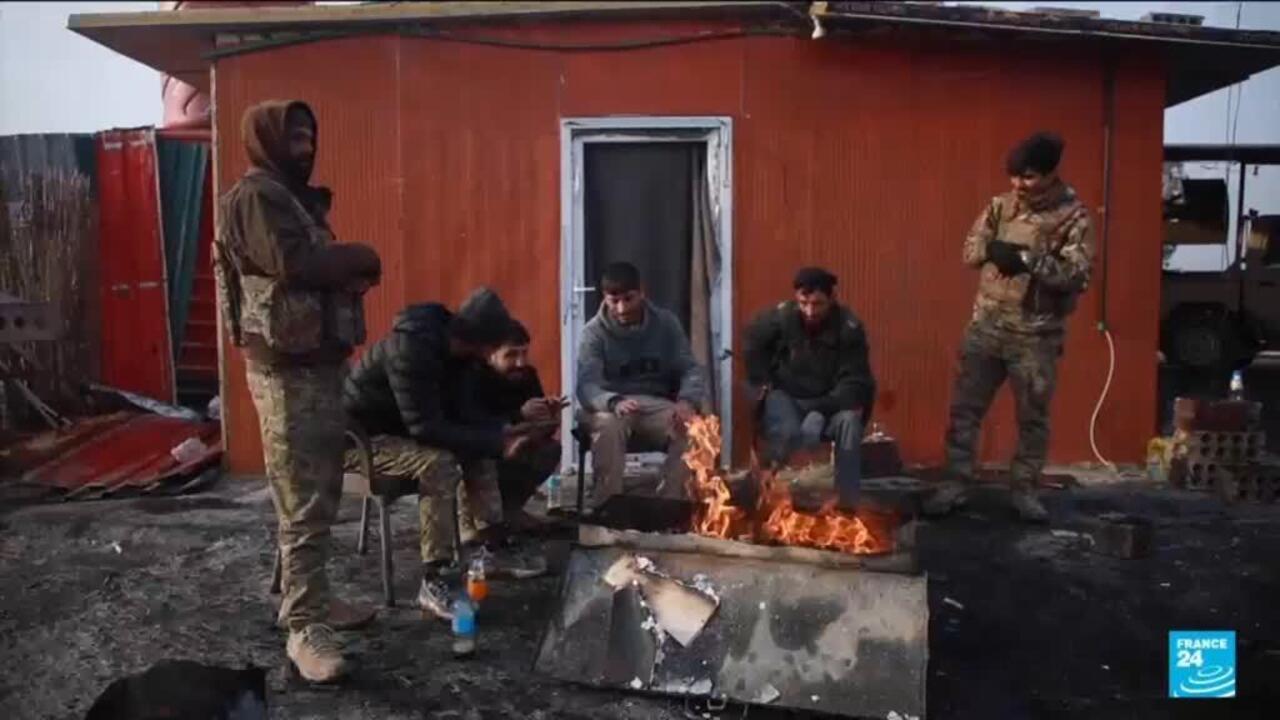
The Syrian government and the Syrian Democratic Forces (SDF), the Kurdish-led militia dominating northeastern Syria, announced a comprehensive ceasefire and phased integration pact this week. This agreement follows intense fighting that saw Damascus regain control over significant territory previously held by the SDF in northern and eastern Syria. The immediate objective appears to be stabilizing the front lines and preventing further localized military collapse for the Kurdish administration.
Central to the accord is the restructuring of security control within contested areas, according to reports detailing the agreement's terms. SDF forces are stipulated to withdraw from active front lines, ceding immediate security oversight in specified zones. This measure aims to de-escalate direct confrontations between the two major non-state and state actors operating in the region.
Government units are scheduled to deploy into the urban centers of Hasakah and Qamishli, cities that have historically served as critical administrative hubs for the SDF-controlled autonomous region. This deployment represents a tangible reassertion of Damascus's central authority over key population centers in the northeast.
The agreement also necessitates the merger of local security forces under a new, integrated structure, although the specifics of command and control remain subject to ongoing negotiation. The SDF has historically maintained significant autonomy, making the integration of its security apparatus a sensitive geopolitical hurdle for both parties.
Sources close to the negotiations indicated that the US, which backs the SDF, exerted pressure to reach a resolution that preserves the security of remaining US assets in the region. The recent government advances reportedly pushed the Kurdish administration toward accepting terms to secure a political off-ramp from military defeat.
From a broader economic perspective, the stabilization could temporarily ease supply chain disruptions in northeastern Syria, an area vital for regional energy production. However, the long-term impact on local governance and resource allocation remains highly uncertain under the new security framework.
The pact represents a delicate political equilibrium, contrasting sharply with the broader geopolitical tensions involving Turkey, Russia, and the United States in Syria. The sustainability of this ceasefire will depend heavily on external actors adhering to their respective spheres of influence and respecting the new internal delineations.