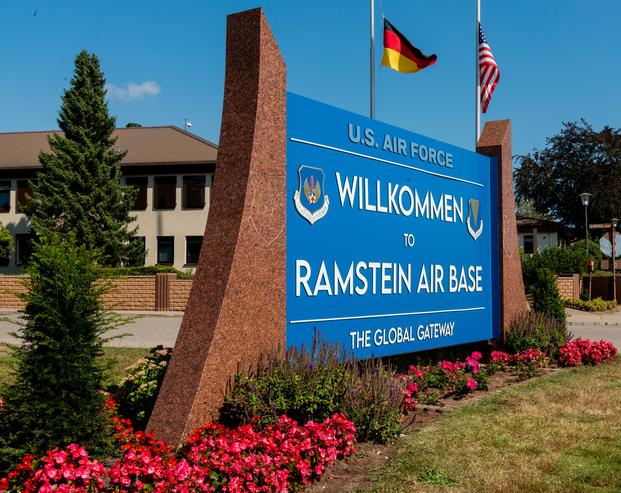
The US airbase in Ramstein, Germany, has become a flashpoint for political tension as the American military intensifies its operations against Iran. While the German government maintains that it is not a party to the conflict, the facility serves as a critical hub for US command and control in the region.
Critics argue that the presence of such a pivotal installation on German soil effectively entangles Berlin in the broader Middle East war. The base facilitates the logistics and communication necessary for ongoing American military actions, including recent aerial combat operations.
A strategic node under pressure
Recent combat reports highlight the active pace of the conflict. US forces recently confirmed the rescue of an aviator after a fighter jet was shot down over Iranian territory. This incident follows a series of escalating engagements that have strained diplomatic relations across the Middle East.
German officials continue to emphasize their non-combatant status. However, the operational reality at Ramstein suggests a deeper level of integration between US strategy and German infrastructure. Lawmakers and activists are increasingly questioning whether the government can remain neutral while providing the backbone for US military logistics.
The debate has intensified as the scale of the conflict grows. With the US pressuring international allies to support its war effort, the role of German-based facilities has moved to the center of the domestic political discourse in Berlin. Opponents of the current policy argue that the base provides more than just passive support for American maneuvers.
As the war enters a new phase, the pressure on the German government to clarify its stance on the Ramstein facility is mounting. The intersection of local sovereignty and international military alliance obligations remains a central point of contention for both the German public and international observers.