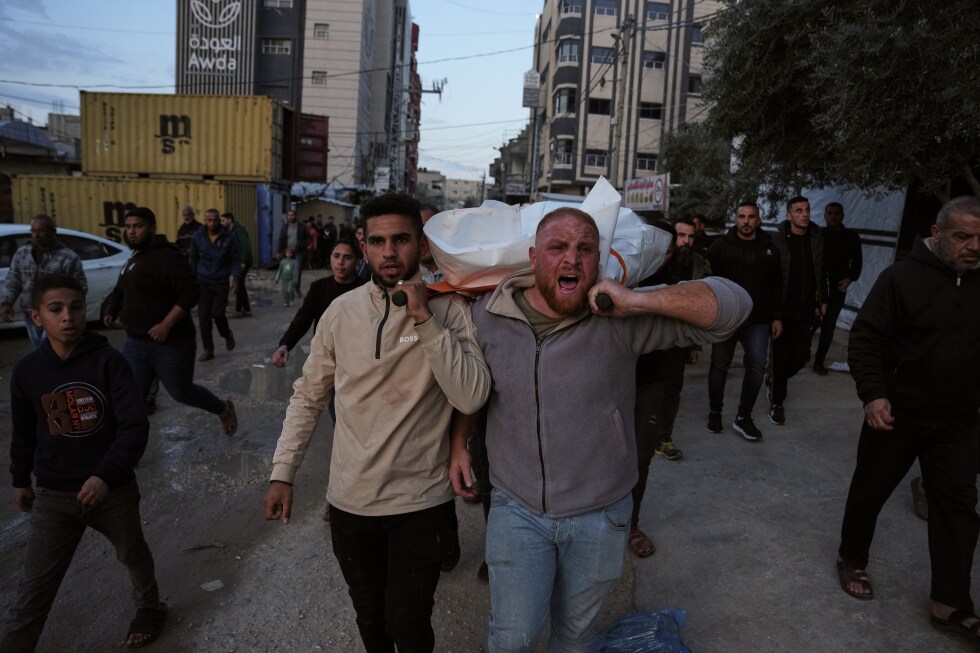
The Rafah border crossing, a critical link between the Gaza Strip and Egypt, has partially reopened to pedestrian traffic following an extended closure period. This resumption offers an essential, albeit constrained, avenue for Gazans needing to leave the territory for urgent reasons. Thousands of individuals remain registered on waiting lists, hoping to utilize this corridor.
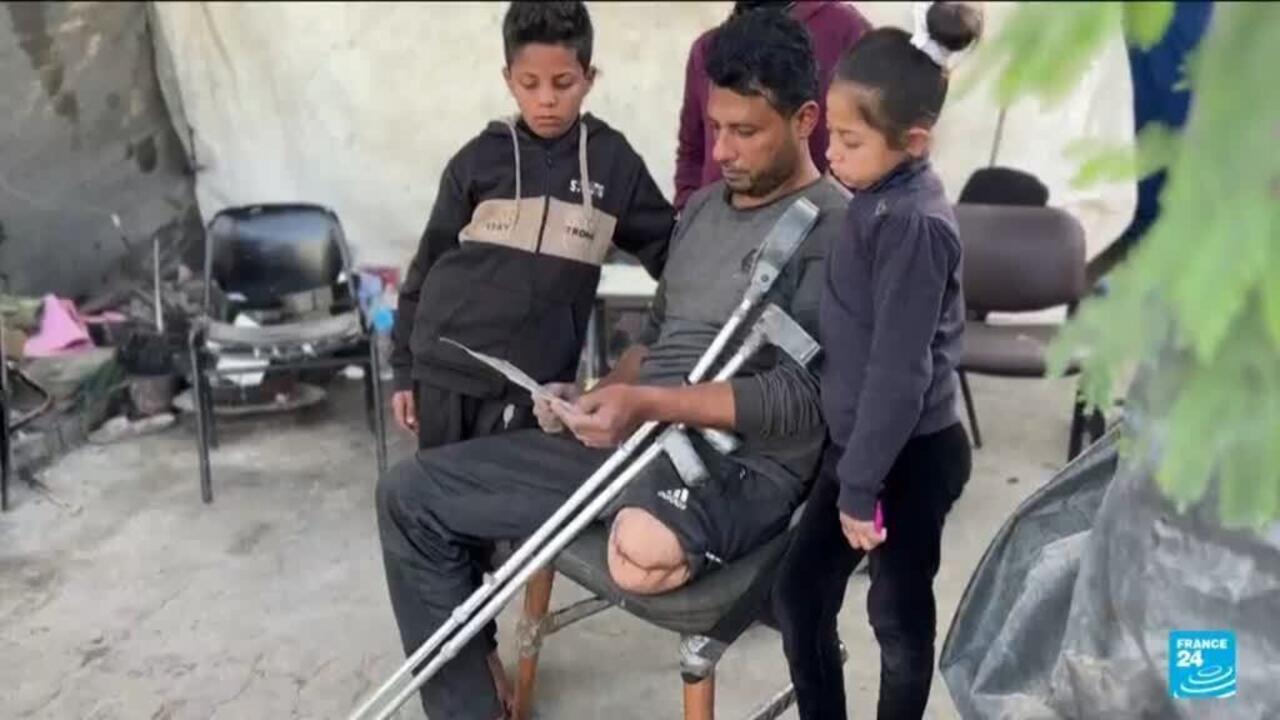
Reports indicate that the Gaza Health Ministry has registered approximately 20,000 people awaiting passage specifically for necessary medical treatments abroad. These patients represent a demographic severely impacted by the disruption of regular international transit routes. The partial resumption signals a slight easing of movement restrictions imposed on the enclave.
Despite the reopening to pedestrians, the flow of essential humanitarian aid remains subject to significant limitations flowing into Gaza. Furthermore, Israeli forces maintain control over the Palestinian side of the crossing infrastructure. This administrative reality dictates the pace and ultimate capacity of the crossing operations.
Analysts note that the reopening structure suggests a calibrated approach to border management, balancing immediate humanitarian needs with ongoing security considerations. The operational capacity appears insufficient to address the backlog of individuals requiring exit for varied purposes, including academic pursuits.
This development follows sustained international pressure regarding the dire humanitarian situation within Gaza and the lack of safe exit mechanisms for non-combatants. The limited function of the crossing highlights the complex political and military dynamics governing movement across the territory's boundaries.
Moving forward, the sustained functionality and expansion of the crossing’s capacity will be closely monitored by international observers. The ability to process the substantial waiting list will serve as a key indicator of evolving border access policies in the region. The situation remains precarious for those still stranded on the Gazan side.